
World Vision Turns Rosehip Into Hope, Livelihoods and a Pathway to Ending Child Hunger in Mokhotlong

By Reentseng Phephetho, Communications and Digital Officer
In the remote mountain villages of Mokhotlong, where harsh terrain and limited economic opportunities make daily life a constant struggle, an ordinary wild plant is quietly changing lives.
For generations, rosehip has grown freely across the hillsides. Children often picked and ate its fruit while herding livestock. Some families harvested it to sell to traders for a small income. But few people knew the true value hidden inside this natural resource.
"I only knew rosehip as a fruit I could eat while herding cattle. I never imagined it could change my life," says 23-year-old Motebang.
Raised by his grandmother, Motebang grew up witnessing sacrifice and hardship. His grandmother brewed traditional beer to earn a small income, but the money was rarely enough to provide regular meals or new clothes. Christmas often came and went without anything new to wear.
"We survived with what my grandmother could earn. Life was never easy," he recalls.
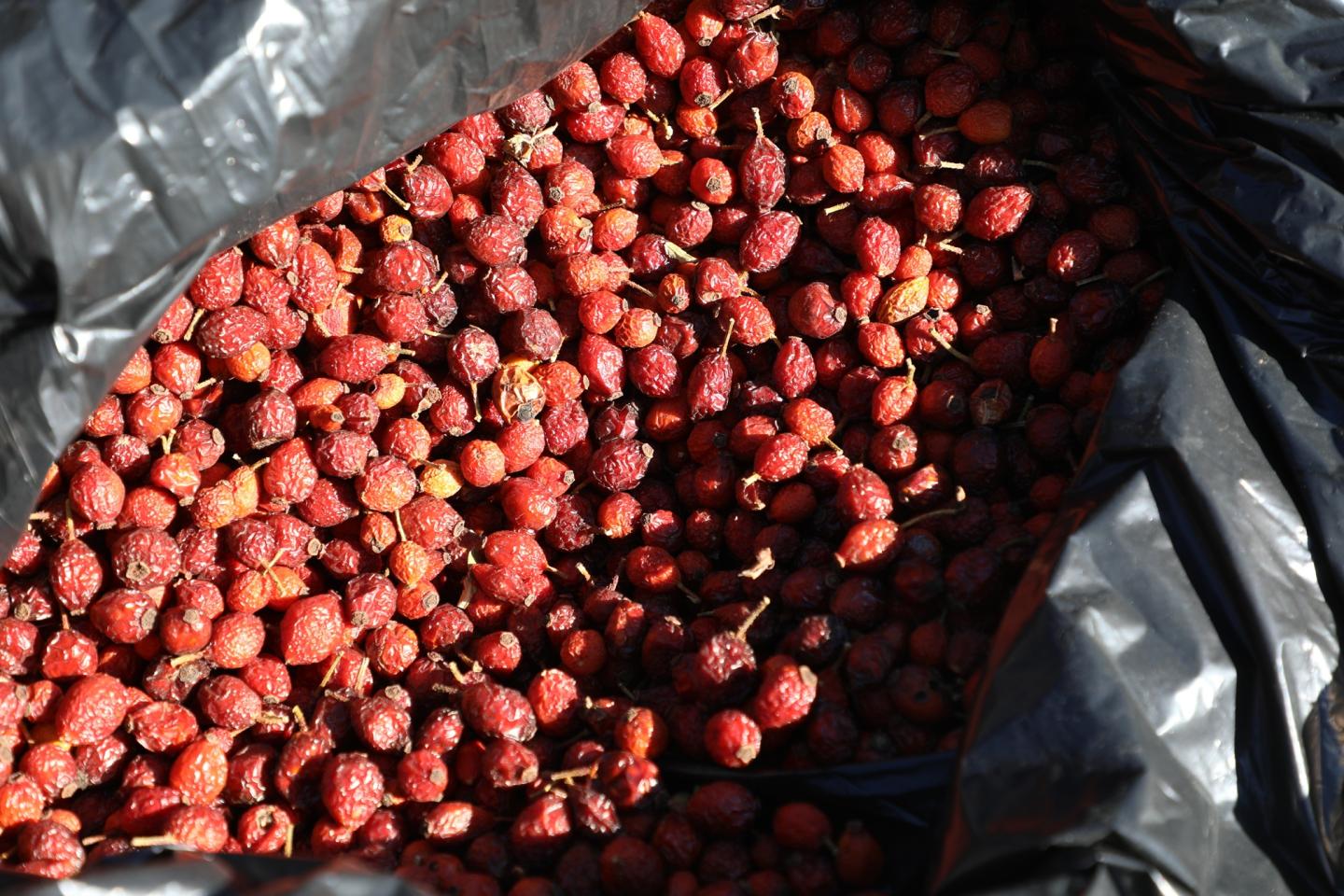
Rosehip—a naturally growing resource with the potential to transform livelihoods and strengthen household resilience
For 24-year-old Mareabetsoe, rosehip had always been a source of small income. She spent hours collecting it, filling a 10-litre bucket that sold for only M50. She could only make these sales twice a month.
With neither she nor her husband employed, that income barely covered the family's basic needs, let alone those of their two-year-old child.
"I knew people bought rosehip, but I never understood why. I never knew how valuable it really was," she says.
Like many young people in her community, 23-year-old Nompumelelo dreamed of becoming financially independent, but opportunities were almost non-existent.
"I live with my parents who are also struggling. My dream has always been to support myself, but I didn't know where to begin."
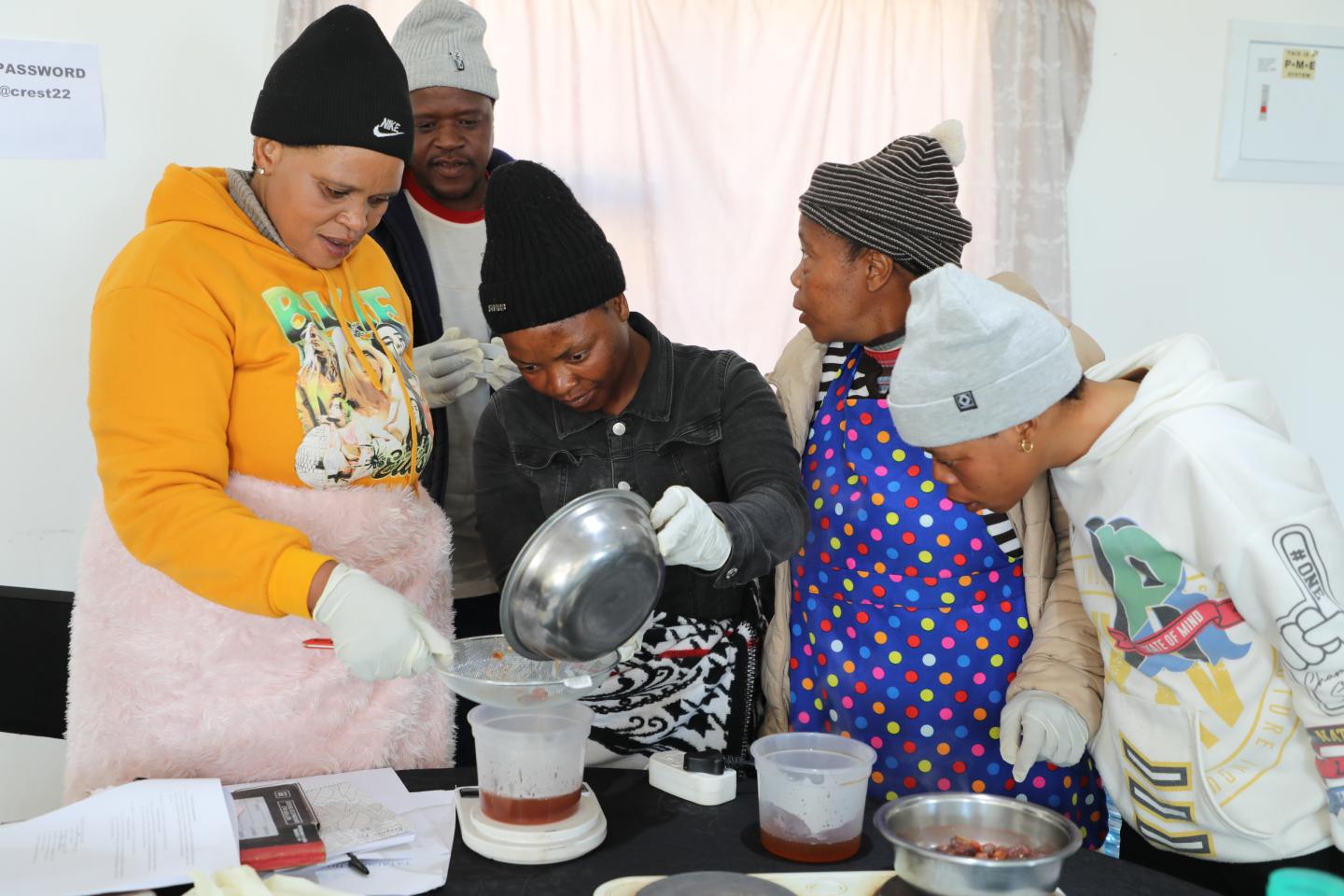
Participants prepare rosehip for processing into a range of value-added products during the hands-on training
Everything changed when World Vision International Lesotho, through its Livelihoods and Economic Inclusion sector, brought together 33 community members for an intensive five-day practical training on processing rosehip into marketable products.
The programme forms part of World Vision's commitment to help vulnerable families graduate from extreme poverty by building sustainable livelihoods and strengthening household resilience, so parents and caregivers can better provide for their children.
During the training, participants learned how to transform locally available rosehip into high-value products including bath soap, body lotion, petroleum jelly, glycerine products and rosehip oil. For many, it was the first time they realised that something growing freely around them could become the foundation of a business. The training did more than teach production skills. It transformed mindsets.
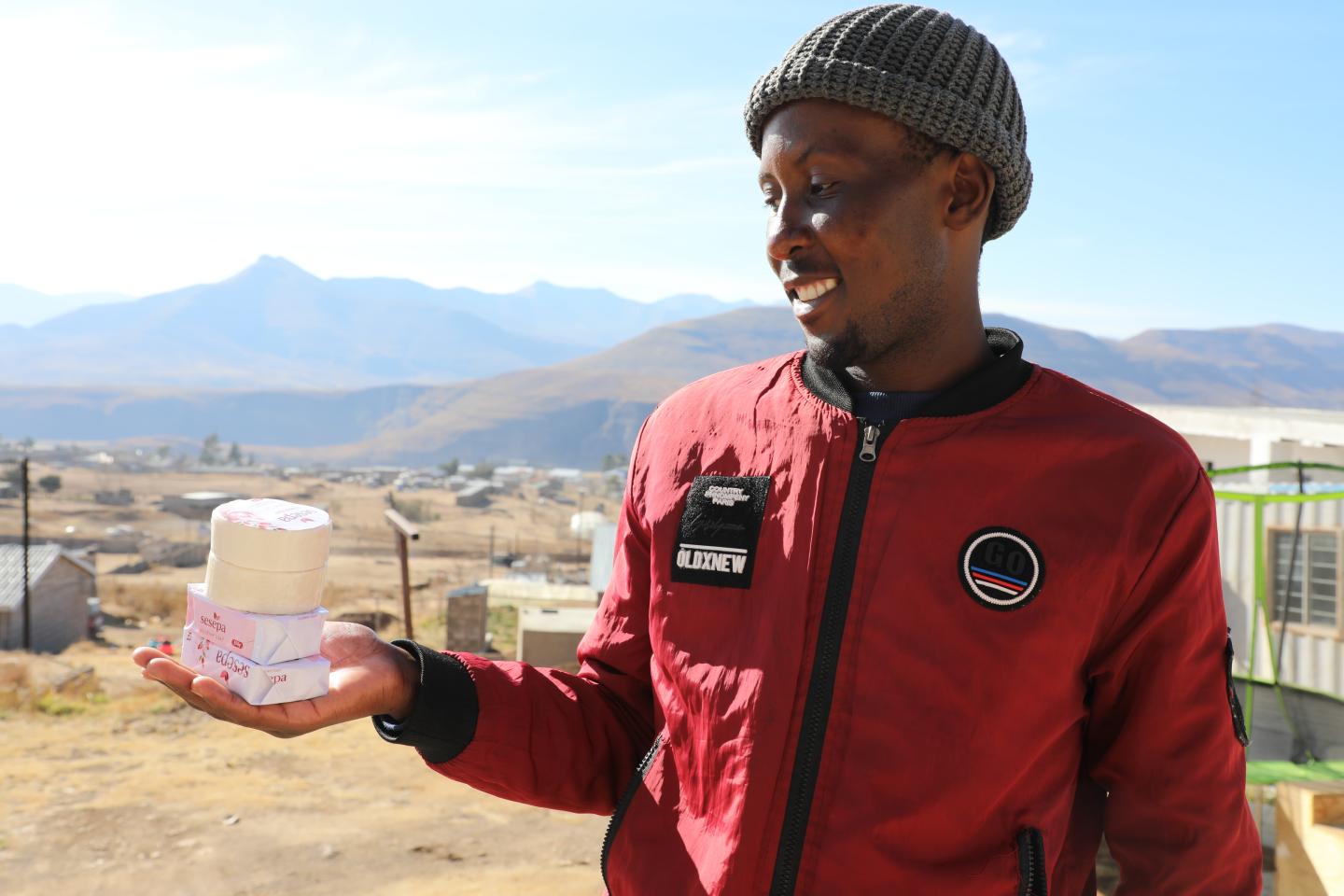
Motebang proudly showcases the different soaps he produced using locally sourced rosehip
"I feel proud and empowered," says Motebang with a smile. "This training has given me hope. I want to make my grandmother proud while she is still alive." He plans to specialise in soap production because it is a product every household needs.
"I won't keep this knowledge to myself. I want to teach other young people in my village so that together we can build businesses and improve our lives."
For Mareabetsoe, the training completely changed the way she sees rosehip.
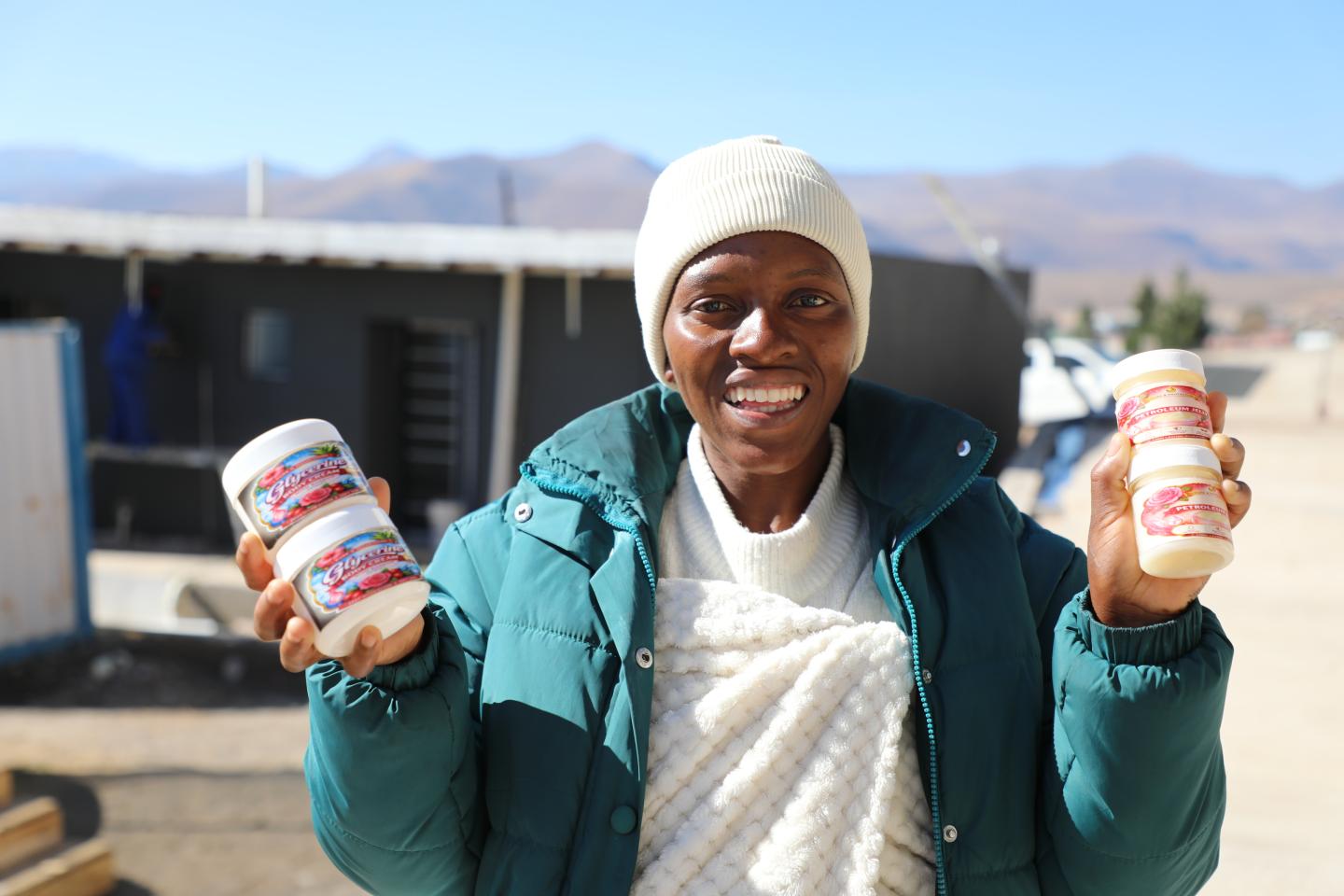
Mareabetsoe proudly displays body cream and petroleum jelly she produced using locally sourced rosehip.
"I used to sell rosehip for M50 without knowing its real value. Now I have the skills to turn it into products that can create a livelihood for my family." She believes the products will have a ready market because they are everyday household essentials.
"I can't wait to share what I've learned with others back home."
Nompumelelo was inspired by the wide range of products that could be made from a single natural resource. "I now have a skill that can help me achieve my dreams." Living in a village where shops are several kilometres away, she already sees business opportunities.
"People travel long distances just to buy soap or skin products. Now I can make them myself and sell them within my community." Beyond generating income, she believes the skills will help young people become job creators instead of waiting for employment opportunities that may never come.
"I want to lead by example and show other young people that we can create our own opportunities." she said.
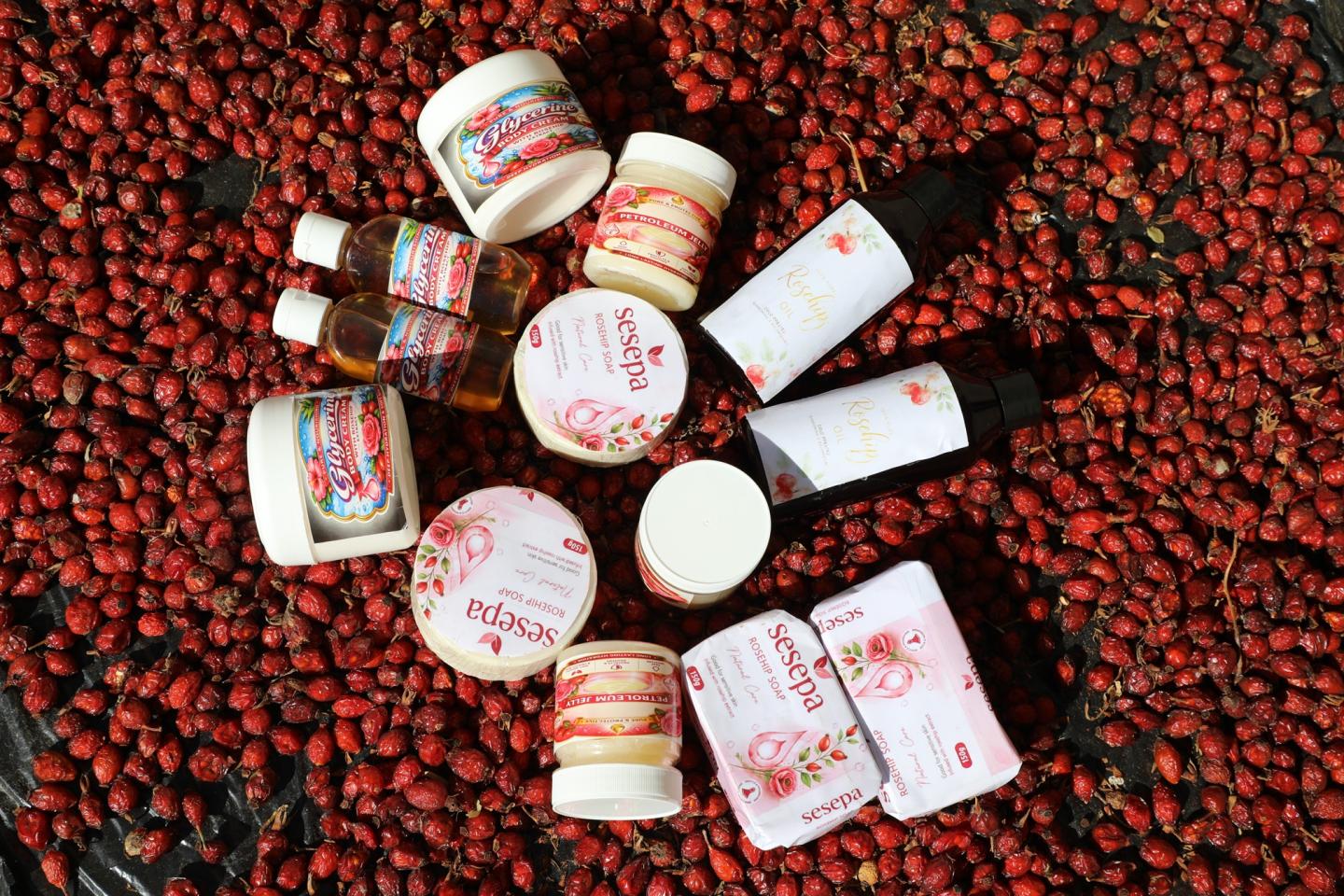
Rosehip products handcrafted during the training, including bath soap, rosehip oil, glycerine, body cream and petroleum jelly.
As the training came to an end, participants returned to their villages carrying more than soap, oils and creams.
They returned with knowledge.
They returned with confidence.
They returned with a renewed belief that prosperity does not always come from somewhere else—it can begin with the resources already growing in their own communities.
For families in Mokhotlong, rosehip is no longer just a wild plant. It is becoming a pathway to economic empowerment, stronger households and brighter futures for children.
By equipping caregivers with skills to create sustainable livelihoods, families are better positioned to earn an income, provide nutritious food, meet their children's basic needs and build resilience against poverty.
This initiative also contributes to World Vision's ENOUGH Campaign, which calls for collective action to end child hunger and malnutrition. By helping families transform locally available resources into sustainable sources of income, the programme strengthens household food security and enables caregivers to better nourish and care for their children. Because when families have the means to provide, children are healthier, better protected and given the opportunity to reach their full potential.