article / August 24, 2026
How Education Helped Durjoy Turn Hardship into Hope
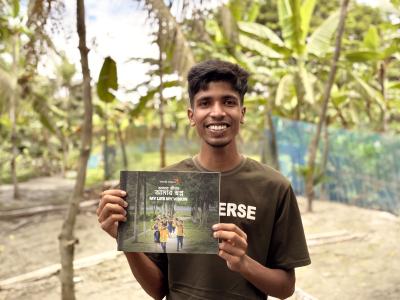
Durjoy, our sponsored child from Bagerhat, overcame hardship to achieve GPA 5 in his SSC examination and pursue his dream of becoming an engineer. His story reflects how World Vision’s Sponsorship programme is helping transform the lives of thousands of children and families.
publication / August 28, 2026
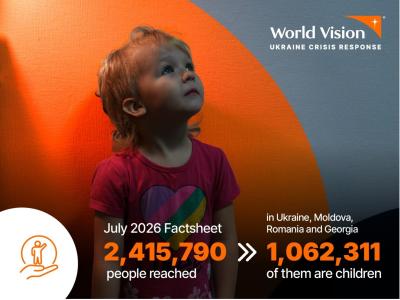
Over 2.4M Lives Supported: July 2026 Factsheet
As of July 2026, World Vision Ukraine Crisis Response has provided critical assistance to 2,415,790 people across Ukraine, Moldova, Romania and Georgia.
article / August 24, 2026
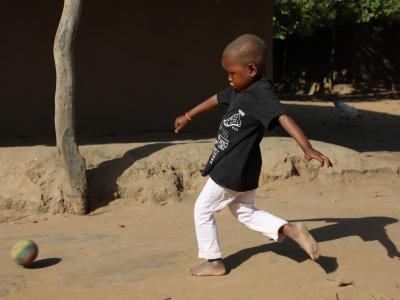
Trangelito Kicks His Way Back to Health
After battling severe acute malnutrition and malaria, five-year-old Trangelito regained his strength with timely medical care and continued support from community volunteers in Monapo.
video / August 26, 2026
Ebola in the DRC: Why This Outbreak Is So Difficult to Combat
The Ebola crisis you remember was back in 2014 in Sierra Leone, Guinea, and Liberia. But the current one in the DRC is actually growing far faster than that one did.
Ebola has faded out of the news because there's been a lot of news to tell and limited time to tell it, but also because the story is hard to put into headlines. It's wrapped in complex layers of history, traditions, and systemic failure that have combined to make everything worse.
So Chirs Montgomery has put together this video to better understand what makes Ebola so hard to combat in the Democratic Republic of Congo.

article / August 21, 2026
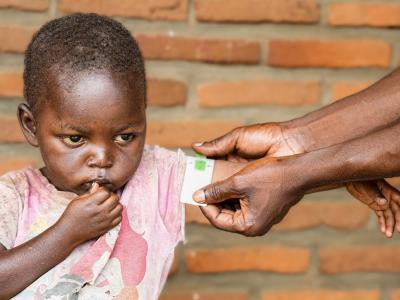
DR Congo: When War Overtakes Healing but Hope Prevails: The Story of GAKURU
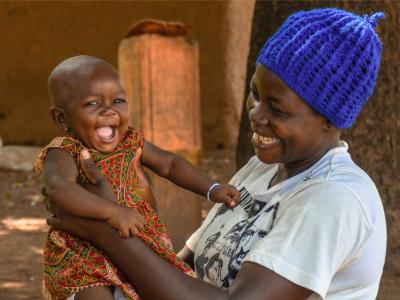
GAKURU’s story illustrates the devastating impact of conflict and displacement on children facing malnutrition in eastern Democratic Republic of the Congo. After recovering from severe acute malnutrition with support from World Vision, two-year-old GAKURU was forced to flee with his family when violence swept through his village, leading to a relapse. Through continued nutritional support and follow-up care, he eventually recovered. His journey highlights the resilience of children and families living through crisis, while showing how World Vision’s Nexus Accelerator Fund continues to provide life-saving nutrition support in hard-to-reach and conflict-affected communities.
article / June 16, 2026
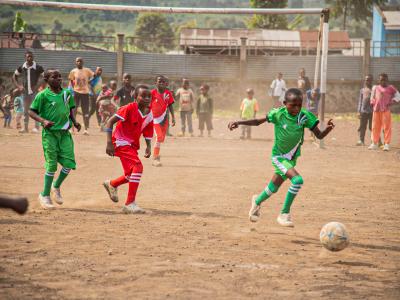
DR Congo: In Goma, Football Helps Displaced Children Dream Again
World Vision, through the WALIP Project funded by the U.S. Government, is helping conflict-affected children in North Kivu, eastern DRC, rebuild their lives through Child-Friendly Spaces. In Kanyaruchinya, nearly 900 children participate in educational, recreational, and psychosocial activities each week in a safe environment that promotes healing and growth. According to Moyo Khangezani, Chief of Party of the WALIP Project, football has become a powerful tool for helping children cope with trauma, regain confidence, and envision a brighter future. Inspired by the Democratic Republic of the Congo’s qualification for the 2026 FIFA World Cup and role models such as Cédric Bakambu, children like Ruphin and Kevine are pursuing their dreams while developing resilience and hope. The Child-Friendly Spaces demonstrate how investing in child protection, learning, and well-being can transform the lives of children affected by conflict.
article / August 21, 2026
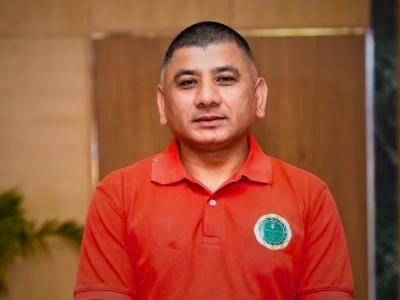
Standing with Children Through Crisis and Recovery
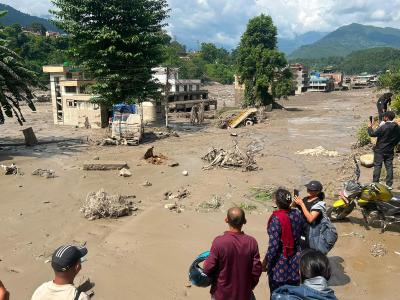
Having lived through the 2015 earthquake himself, Surendra Ratna Shakya has dedicated his career to supporting vulnerable children and families through crisis and recovery.
article / August 20, 2026
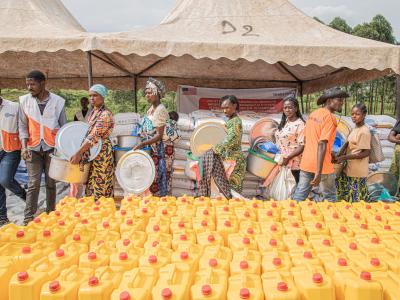
In Nyiragongo and Masisi, 8,000 households regain prospects thanks to the Emergency Response project
This article highlights how World Vision’s Emergency Response project in Nyiragongo and Masisi is helping 8,000 crisis-affected households rebuild their livelihoods and regain hope. Through vocational training, income-generating activities and livelihood kits, women and families have gained practical skills, increased their self-reliance and strengthened their ability to meet their children’s basic needs. Their stories demonstrate how economic empowerment can restore dignity, resilience and confidence among displaced and vulnerable communities.