publication / July 29, 2026
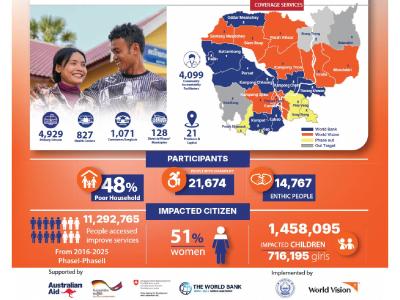
Factsheet | Engaging Citizens to Improve Service Delivery Through Social Accountability
Factsheet 2025 Engaging Citizens to Improve Service Delivery Through Social Accountability Project
publication / August 26, 2026
POLICY BRIEF: Debt for What?
This policy brief on public debt utilisation in Kenya and Zambia, examining how borrowed resources translate into development outcomes
publication / August 28, 2026
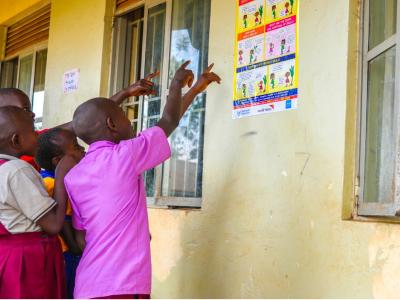
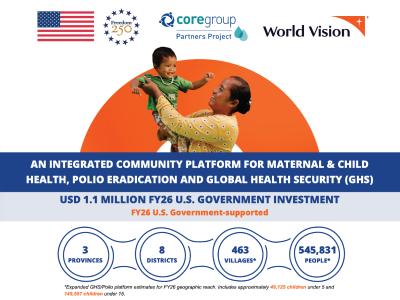
CORE Group Partners Project (CGPP) An Integrated Community Platform for Maternal & Child Health, Polio Eradication and Global Health Security (GHS)
CORE Group Partners Project (CGPP) An Integrated Community Platform for Maternal & Child Health, Polio Eradication and Global Health Security (GHS)
landing page / August 18, 2026
United Nations Office for the Coordination of Humanitarian Affairs (UNOCHA)

article / August 24, 2026
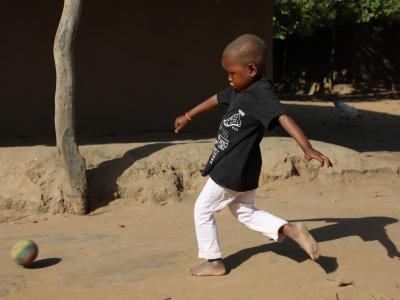
Trangelito Kicks His Way Back to Health
After battling severe acute malnutrition and malaria, five-year-old Trangelito regained his strength with timely medical care and continued support from community volunteers in Monapo.
video / August 26, 2026
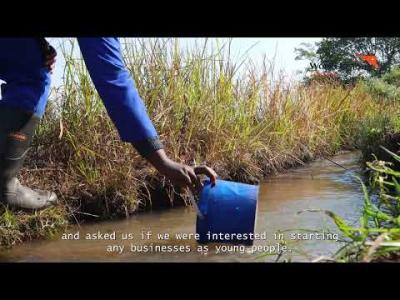
From Financial Struggles to a Thriving Farmer
At 31, Busisiwe is building a brighter future through farming after experiencing pregnancy as a teenager. Supported by World Vision’s HIV prevention project and Youth Enterprise Revolving Fund, she is strengthening her livelihood and economic independence.
press release / August 25, 2026
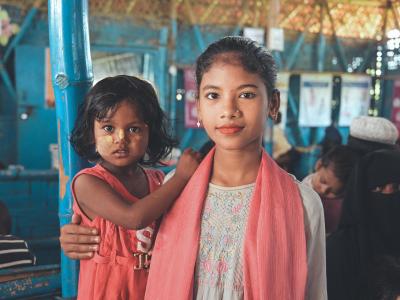
Nine Years of Struggle: Rohingya Children Caught Between Climate Disasters and Plunging Aid
Nine years into protracted displacement, escalating climate disasters and a 24% aid cut threaten 1.2 million Rohingya refugees, prompting World Vision to call for global responsibility-sharing and durable, nexus-driven solutions for children and host communities.
video / August 21, 2026
Fighting Cholera at the Doorstep: Community Action Saves Lives in Kolwezi
In Kolwezi, Lualaba province, the cholera outbreak is not only claiming lives in the hospital. It is also claiming lives in people’s homes, but silently.
Since December 2025, the Manika health zone has been facing a health crisis. But a genuine chain of solidarity has emerged. With support from World Vision DRC, through the NEPRF (National Emergency Preparedness and Response Fund), an internal emergency fund used to rapidly mobilise humanitarian aid during disasters, courageous community volunteers, such as Nicole, are going door-to-door to raise awareness, disinfect, distribute chlorine, and refer the sick to treatment centres.
The result? Over 7,000 people have been reached. More than 100 kg of chlorine has been distributed. Community mobilisation is our best weapon against cholera. Because saving lives starts with a simple act: informing to protect.