press release / September 2, 2026
‘I left everything behind’: Nepal flash flood, children face trauma, displacement and uncertainty and growing protection risks
As the humanitarian crisis deepens, with more than 1,000 confirmed fatalities and thousands still missing, strengthened child protection measures are urgently needed to support displaced children and their families.
article / August 24, 2026
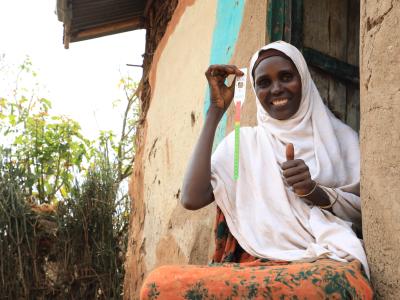
A Mother's Knowledge, A Child's Recovery
A mother trained in Family MUAC screening identified her child’s malnutrition early, helping him recover and enabling more children in East Bale to access timely treatment.
publication / September 4, 2026
Global Accountability Report 2025
Explore World Vision's 2025 Accountability Report, highlighting transparency, safeguarding, financial stewardship, resilience, and community impact.
article / August 24, 2026
A Harvest That Put a Child Back in School
In Monapo, Mozambique, improved farming incomes through World Vision are helping children like 14-year-old Evanildo return to school and pursue their dreams.
article / August 27, 2026
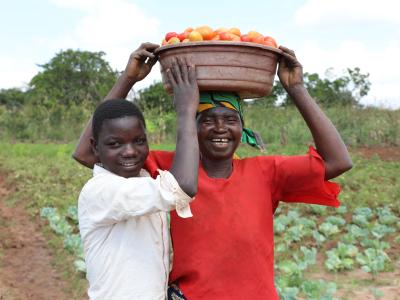
World Vision Ghana Advances Child-Centred Creation Care Through National Consultative Workshop
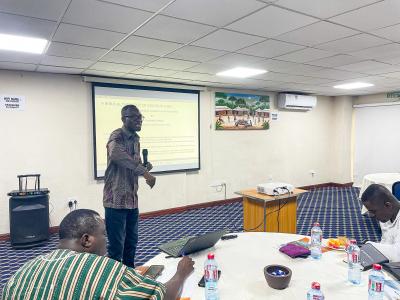
World Vision Ghana convened a three-day consultative workshop in Accra, bringing together faith leaders, theological institutions and development practitioners to strengthen child-centred Creation Care and advance environmental stewardship and climate action through churches.
publication / August 28, 2026
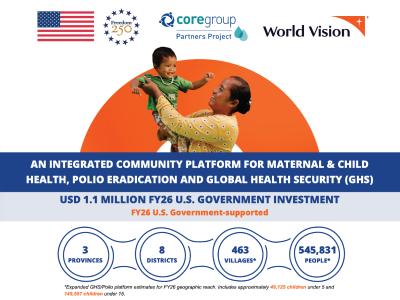
CORE Group Partners Project (CGPP) An Integrated Community Platform for Maternal & Child Health, Polio Eradication and Global Health Security (GHS)
CORE Group Partners Project (CGPP) An Integrated Community Platform for Maternal & Child Health, Polio Eradication and Global Health Security (GHS)
article / August 4, 2026
DR Congo: When a Project Ends, Protection Lives On Through the Legacy Carried by Communities in North Kivu
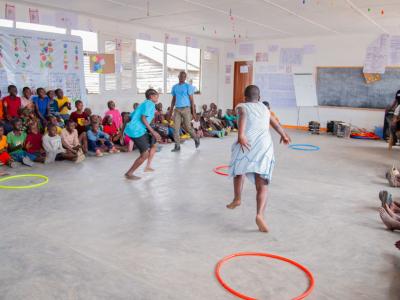
As the Emergency Response to WASH, Protection and Livelihood Needs of IDPs and Host Communities in North Kivu project comes to an end, its impact continues to live on through the people and communities it transformed. Through the voices of mothers, children, community volunteers, facilitators, mentors, and local leaders, this article highlights how Child-Friendly Spaces and Safe Spaces restored hope, strengthened protection systems, and empowered communities to safeguard children and survivors of gender-based violence. It demonstrates that while humanitarian projects may have a defined lifespan, the knowledge, resilience, and commitment they leave behind create a lasting legacy that continues to protect vulnerable families long after project activities have ended.
article / August 6, 2026
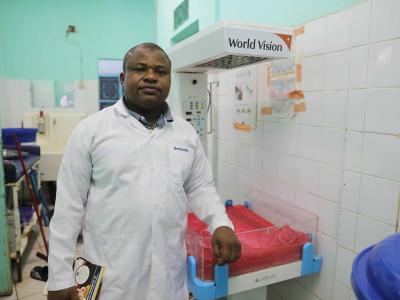
Second Operating Room at the Dosso Mother-and-Child Center: A Life-Saving Donation
On Nigerien National Women's Day, the women staff of World Vision Niger donated essential medical equipment to the Dosso Mother and Child Health Center, enabling the facility to fully operate a second operating theatre. Before the donation, the center had only one functional theatre, making it difficult to meet the growing demand for emergency obstetric and gynecological surgeries. According to Dr. Bacharou Adamou Mamane Sani, the lack of equipment and partners often delayed life-saving interventions. The donated equipment including an operating table, surgical lights, cesarean and gynecological surgical kits, warming lamps, and an oxygen concentrator has transformed surgical services. With two operational theatres, the center can now treat more than 15 patients daily, significantly reducing waiting times and improving emergency care. The new equipment has also enhanced working conditions for healthcare staff and contributed to reducing maternal and newborn mortality. Dr. Bacharou expressed his gratitude to World Vision Niger, emphasizing that this timely support has strengthened healthcare services and brought lasting benefits to women, newborns, and the wider Dosso community.
publication / September 6, 2026
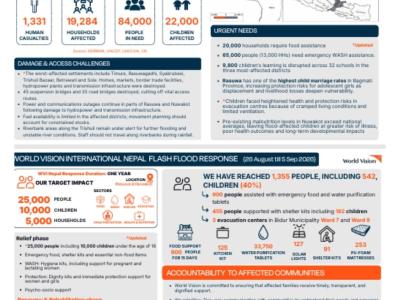
Situation Report 3: Nepal Flash Floods 2026
Situation Report 3: Nepal Flash Floods 2026