Home

Get Involved

  • Donate
  • Get Involved
English
  • French
  • Spanish
  • Deutsch
  • Georgian
  • Arabic
  • Armenian
  • Bosnian
  • Albanian
  • Vietnamese
  • Portuguese, Portugal

Main navigation

  • Who We Are
    • About Us
      • Our History
      • Our Leadership
      • Our Vision & Values
      • Our Faith
      • Our Partners
      • Our Structure
    • Our Approaches
      • Advocacy
      • Emergency Relief
      • Our Global Strategy
      • Transformational Development
    • Contact Us
      • Careers and Internships
    • FAQ
  • What We Do
    • Focus Areas
      • Child Protection
      • Clean Water and Sanitation
      • Education
      • Fragile Context Programming
      • Health & Nutrition
      • Livelihoods
      • View All Sectors
    • Emergency Response
      • Afghanistan Emergency Response
      • El Niño Drought Response
      • Emergency Mpox Response
      • Global Hunger Crisis
      • Middle East Crisis Response
      • Myanmar Earthquake Response
      • Sudan Crisis Response
      • Syria Crisis Response
      • Ukraine Crisis
      • Venezuela Crisis
      • Yemen Emergency Response
    • Campaigns
      • ENOUGH food for every child
      • Ending Violence Against Children
  • Where We Work
    • Africa
      • Angola
      • Burkina Faso
      • Burundi
      • Central African Republic
      • Chad
      • Congo
      • Eswatini
      • Ethiopia
      • Ghana
      • Kenya
      • Lesotho
      • Malawi
      • Mali
      • Mauritania
      • Mozambique
      • Niger
      • Rwanda
      • Senegal
      • Sierra Leone
      • Somalia
      • South Africa
      • South Sudan
      • Sudan
      • Tanzania
      • Uganda
      • Zambia
      • Zimbabwe
    • Americas
      • Bolivia
      • Brazil
      • Canada
      • Chile
      • Colombia
      • Costa Rica
      • Dominican Republic
      • Ecuador
      • El Salvador
      • Guatemala
      • Haiti
      • Honduras
      • Mexico
      • Nicaragua
      • Peru
      • United States
      • Venezuela
    • Asia Pacific
      • Bangladesh
      • Australia
      • Cambodia
      • China
      • Hong Kong, SAR
      • India
      • Indonesia
      • Japan
      • Laos
      • Malaysia
      • Mongolia
      • Myanmar
      • Nepal
      • New Zealand
      • North Korea
      • Papua New Guinea
      • Philippines
      • Singapore
      • Solomon Islands
      • South Korea
      • Sri Lanka
      • Taiwan
      • Timor Leste
      • Thailand
      • Vietnam
      • Vanuatu
    • Middle East and Europe
      • Afghanistan
      • Albania
      • Armenia
      • Austria
      • Belgium
      • Bosnia and Herzegovina
      • Cyprus
      • European Union
      • Finland
      • France
      • Georgia
      • Germany
      • Iraq
      • Ireland
      • Italy
      • Jordan
      • Lebanon
      • Moldova
      • Netherlands
      • Romania
      • Spain
      • Syria
      • Switzerland
      • Türkiye
      • Ukraine
      • United Kingdom
      • West Bank
      • Yemen
  • Resources
    • News
    • Impact Stories
    • Thought Leadership
    • Publications
      • Annual Report
Home
wvi

Main navigation

  • Who We Are
    • About Us
      • Our History
      • Our Leadership
      • Our Vision & Values
      • Our Faith
      • Our Partners
      • Our Structure
    • Our Approaches
      • Advocacy
      • Emergency Relief
      • Our Global Strategy
      • Transformational Development
    • Contact Us
      • Careers and Internships
    • FAQ
  • What We Do
    • Focus Areas
      • Child Protection
      • Clean Water and Sanitation
      • Education
      • Fragile Context Programming
      • Health & Nutrition
      • Livelihoods
      • View All Sectors
    • Emergency Response
      • Afghanistan Emergency Response
      • El Niño Drought Response
      • Emergency Mpox Response
      • Global Hunger Crisis
      • Middle East Crisis Response
      • Myanmar Earthquake Response
      • Sudan Crisis Response
      • Syria Crisis Response
      • Ukraine Crisis
      • Venezuela Crisis
      • Yemen Emergency Response
    • Campaigns
      • ENOUGH food for every child
      • Ending Violence Against Children
  • Where We Work
    • Africa
      • Angola
      • Burkina Faso
      • Burundi
      • Central African Republic
      • Chad
      • Congo
      • Eswatini
      • Ethiopia
      • Ghana
      • Kenya
      • Lesotho
      • Malawi
      • Mali
      • Mauritania
      • Mozambique
      • Niger
      • Rwanda
      • Senegal
      • Sierra Leone
      • Somalia
      • South Africa
      • South Sudan
      • Sudan
      • Tanzania
      • Uganda
      • Zambia
      • Zimbabwe
    • Americas
      • Bolivia
      • Brazil
      • Canada
      • Chile
      • Colombia
      • Costa Rica
      • Dominican Republic
      • Ecuador
      • El Salvador
      • Guatemala
      • Haiti
      • Honduras
      • Mexico
      • Nicaragua
      • Peru
      • United States
      • Venezuela
    • Asia Pacific
      • Bangladesh
      • Australia
      • Cambodia
      • China
      • Hong Kong, SAR
      • India
      • Indonesia
      • Japan
      • Laos
      • Malaysia
      • Mongolia
      • Myanmar
      • Nepal
      • New Zealand
      • North Korea
      • Papua New Guinea
      • Philippines
      • Singapore
      • Solomon Islands
      • South Korea
      • Sri Lanka
      • Taiwan
      • Timor Leste
      • Thailand
      • Vietnam
      • Vanuatu
    • Middle East and Europe
      • Afghanistan
      • Albania
      • Armenia
      • Austria
      • Belgium
      • Bosnia and Herzegovina
      • Cyprus
      • European Union
      • Finland
      • France
      • Georgia
      • Germany
      • Iraq
      • Ireland
      • Italy
      • Jordan
      • Lebanon
      • Moldova
      • Netherlands
      • Romania
      • Spain
      • Syria
      • Switzerland
      • Türkiye
      • Ukraine
      • United Kingdom
      • West Bank
      • Yemen
  • Resources
    • News
    • Impact Stories
    • Thought Leadership
    • Publications
      • Annual Report
English
  • French
  • Spanish
  • Deutsch
  • Georgian
  • Arabic
  • Armenian
  • Bosnian
  • Albanian
  • Vietnamese
  • Portuguese, Portugal

Get Involved

  • Donate
  • Get Involved

Error message

The page you requested does not exist. For your convenience, a search was performed using the query de bio mrs suanne miedema.

Popular searches:

  • Careers
  • Child Sponsorship
  • Childhood Rescue
  • Emergency Response
Search results: 1 - 10 of 4862
publication / March 19, 2026

CONVENTION DE L’UNION AFRICAINE SUR LA FIN DES VIOLENCES FAITES AUX FEMMES ET AUX FILLES VERSION ADAPTÉE AUX ENFANTS

CONVENTION DE L’UNION AFRICAINE SUR LA FIN DES VIOLENCES FAITES AUX FEMMES ET AUX FILLES VERSION ADAPTÉE AUX ENFANTS
publication / March 25, 2026

Give Your Loaved & Your Fish, Harold Segura, 2026

Artwork by Harold Segura as part of the 2026 Give Your Loaves & Your Fish Campaign, part of teh Prayer & Action Against Hunger Coalition.
Harold GYLnYF 2026
publication / March 16, 2026

Lebanon Response Sitrep 2026 #4

The escalation of hostilities in Lebanon has now entered day 15, while regional tensions linked to the wider conflict continued for 17 days, with no immediate indication of de-escalation. Evacuation orders continue to expand across South Lebanon, Beirut, Mount Lebanon, and the Bekaa Valley, with warnings issued by the country to the south instructing residents to evacuate and indicating that return will not be permitted until further notice. Reports state that entire families who chose to remain in their homes in some affected areas have been killed during strikes, highlighting the severe protection risks facing civilians. In recent days, strikes have increasingly targeted critical infrastructure and transport routes, including two key bridges connecting major towns in South Lebanon, further disrupting civilian movement and humanitarian access. Trucks transporting goods are reportedly warned not to move along the southern coastal road, further constraining assistance delivery. Airstrikes also impacted central Beirut and residential areas in Mount Lebanon, reflecting the continued expansion of hostilities beyond traditional frontline zones. Meanwhile, displacement continues to rise, and shelter capacity remains under severe strain. With collective shelters overcrowded or at full capacity, many displaced families have been forced to seek alternative arrangements, including unfinished buildings, informal shelters, and makeshift tents along the coastal Corniche from Saida to Beirut. Recent heavy rainstorms and falling temperatures have further worsened conditions, destroying displacement tents and flooding temporary sites, leaving displaced households exposed to harsh weather and heightened risks. The prolonged escalation is also contributing to pockets of civil unrest, as well as heightened social tensions in several areas, with growing fears among communities that prolonged displacement and political polarization could increase the risk of localized sectarian tensions.
Mariam
article / March 2, 2026

Health Within Reach: Reducing Child Mortality in Rural Mozambique

In Manica Province, Mrs. Ana’s grandson Emanuel survives malaria and diarrhoea thanks to trained Polyvalent Health Agents supported by the Rotary Healthy Communities Challenge Project, bringing lifesaving care closer to rural families in Mozambique.
Natacha and Emanuel playing
publication / March 17, 2025

CIES bios of World Vision Presenters

CIES bios of World Vision Presenters
World Vision
press release / March 18, 2026

Joint Statement: Humanitarian NGOs condemn civilian toll in Kabul airstrikes and call for respect for International Humanitarian Law

17 humanitarian NGOs operating in Afghanistan are profoundly alarmed by hundreds of civilian casualties in Kabul, Afghanistan, following heavy airstrikes on the capital on the 16th of March 2026. We urge international efforts to support deescalation.
article / March 12, 2026

From Displacement to Determination: Neema Rebuilds Her Life Through Savings

In Mabalako, a small loan of about 105 US dollars from a Village Savings and Loan Association helped Neema, a 28-year-old mother displaced by violence, rebuild her life. After fleeing attacks by the Allied Democratic Forces with her husband and five daughters, the family struggled to survive through daily labor. Through the Empower project, implemented by World Vision with support from Irish Aid, Neema joined a savings group where she accessed small loans to start selling vegetables and tomatoes in the local market. The business allowed her to repay the credit, cover her children’s basic needs, and begin building a home with her husband. Neema’s story highlights how community savings groups are strengthening the economic resilience and self-reliance of conflict-affected families in eastern Democratic Republic of the Congo, offering hope in a region long affected by insecurity and poverty.
Neema selling some vegetables
article / February 25, 2026

Reaching the unreachable: how mobile clinics transformed access to care in Gaya

Before the project, access to healthcare in the Gaya area was extremely limited. Many isolated villages forced vulnerable families to walk for hours to reach health centers in Tounouga or Gaya, often arriving too late for proper treatment. The situation was worsened by seasonal floods in Dosso and Tillaberi, which cut off communities and left thousands without essential health services. According to Mrs. Edui Ramatou, Head of the Gaya 2 Health Center, common illnesses such as malaria, diarrhea, and respiratory infections were difficult to manage due to limited supplies and reliance on only two small health posts. In response, World Health Organization supported the project “Anticipatory health assistance for at-risk and flood-affected populations,” implemented by World Vision Niger and ISCV. Completed in May 2025, the project introduced mobile clinics that brought care directly to villages. Monthly consultations increased from 1,000 to 1,800, while trained community health workers improved case detection and follow-up. For mothers, children, the elderly, and pregnant women, access to timely care greatly improved. Although the project ended, its positive impact continues, and communities hope for sustained support to strengthen resilience against future floods.
publication / March 24, 2026

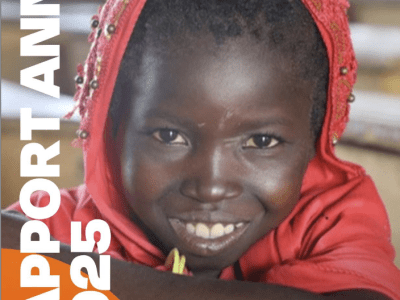
World Vision Uganda Annual Report 2025

World Vision Uganda Annual Report captures key achievements of Financial Year 2025
Image

Pagination

  • Page 1
  • Page 2
  • Page 3
  • Page 4
  • Page 5
  • Page 6
  • Page 7
  • …
  • Next page Next ›
  • Last page Last »

World Vision

Footer

  • About Us
    • Our Vision & Values
    • Our History
    • Our Leadership
    • Our Structure
    • Our Partners
    • Accountability
    • FAQ
  • Our Approaches to Change
    • Child Sponsorship
    • Global Campaign
    • Our Global Strategy
    • The Role of Faith
  • Work with Us
    • Our Culture
    • Careers & Internships
    • Explore Open Positions
    • Internships
    • Open Tenders
  • Connect With Us
    • Facebook
    • Youtube
    • Twitter
    • Instagram
    • LinkedIn
    • Contact Us
    • World Vision in Your Country/Region
    • Report a Concern

Get Our Newsletter

form-submit-link on the Mailchimp signup in the footer

Accountable Now

Footer Legal

  • © 2026 World Vision International
  • Privacy Policy
  • Terms of Use