press release / May 18, 2026
DR Congo: A New Ebola Variant Declared in Ituri Threatens Children’s Lives
DR Congo declares 17th Ebola outbreak with deadly Bundibugyo strain lacking vaccines. Rapid cross-border spread prompts call for urgent global response.
publication / March 19, 2026
CONVENTION DE L’UNION AFRICAINE SUR LA FIN DES VIOLENCES FAITES AUX FEMMES ET AUX FILLES VERSION ADAPTÉE AUX ENFANTS
CONVENTION DE L’UNION AFRICAINE SUR LA FIN DES VIOLENCES FAITES AUX FEMMES ET AUX FILLES
VERSION ADAPTÉE AUX ENFANTS
press release / April 8, 2026
World Water Day 2026 Commemoration in Qalabane, Mafeteng
Lesotho commemorates World Water Day 2026 in Qalabane, Mafeteng under the theme “Water and Gender,” highlighting how improved water access promotes gender equality, education, health, and economic opportunities for women and girls.
press release / April 27, 2026
Severe Child Malnutrition Surges by 60% in Somalia as Health System Falters
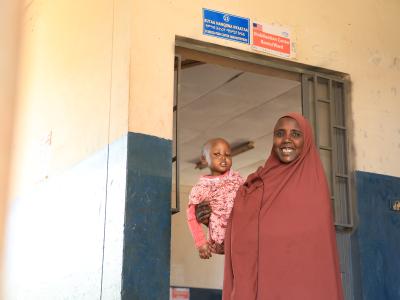
World Vision-supported health facilities across Somalia have recorded a sharp increase in the number of children admitted with severe malnutrition. Between January and March, more than 3,500 children were diagnosed with severe acute malnutrition—marking a 60% rise compared to the same period in 2025, when just over 2,000 cases were reported.
press release / April 8, 2026
No Safe Place: Children in Lebanon Face Rising Protection Risks Amid Expanding Hostilities
Over 100 airstrikes across Lebanon have intensified a humanitarian crisis, displacing more than one million people and putting children at severe risk, warns World Vision.
publication / March 26, 2026
Lebanon Response Sitrep 2026 #5
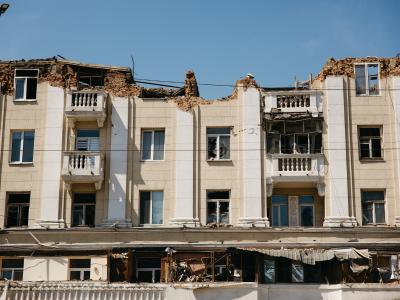
Since the escalation of hostilities on 2 March, the situation in Lebanon has entered its fourth week, with no indication of de-escalation and continued spillover from the broader regional conflict. While diplomatic efforts by the Government of Lebanon are ongoing, reports suggest that even in the event of a broader regional agreement, hostilities in Lebanon are likely to persist.
In recent days, hostilities have further expanded in scope and impact. Inaugurally, a missile was intercepted over the Keserwan area, with debris reported across parts of Mount Lebanon, underscoring the spread of the conflict into previously unaffected areas. At the same time, targeted strikes on non-state actors within civilian residential buildings continue, causing civilian casualties and damage to surrounding infrastructure.
Attacks on critical infrastructure have intensified, with at least seven bridges and multiple crossings destroyed across the Litani River, effectively isolating parts of southern Lebanon and cutting off over 150,000 people, severely constraining civilian movement and humanitarian access.
Meanwhile, the humanitarian and economic situation continues to deteriorate. Displacement remains high and shelter capacity overstretched, with many families unable to access formal shelters and resorting to informal or unsafe living arrangements. Rising fuel and commodity prices, driven by disruptions in regional supply routes, are further increasing the cost of living and compounding vulnerabilities among affected populations.
The prolonged escalation is also contributing to growing social tensions and localised instability, as pressure on resources intensifies and political polarisation deepens, raising concerns over potential civil unrest and localised sectarian tensions.
press release / April 27, 2026
Pacific women and girls take centre stage at Women Deliver 2026: Shifting narratives from vulnerability to leadership
World Vision is shifting the narrative at this year’s #WomenDeliver conference in Naarm (Melbourne), moving Pacific women and girls from passive beneficiaries to primary architects of change.
The "Pacific Girls at the Heart" WD side event highlights how these leaders are driving climate resilience, safety, and equity for children and communities. By centring data-driven storytelling and Pacific-led solutions, the initiative champions active, community-driven progress across the region.
publication / April 2, 2026
Lebanon Response Sitrep 2026 #6
Lebanon has now entered its fifth week of escalation since 2 March 2026, marking one month of sustained hostilities, continued regional spillover, and no clear trajectory towards de-escalation. Strikes are increasingly affecting areas previously considered relatively safe, signalling an expanding conflict footprint and heightened risks for civilians. Incidents affecting media personnel, including the killing of three journalists, further underscore growing protection concerns.
In the south, damage to critical transport routes has effectively isolated an estimated 150,000 people, with reports indicating worsening shortages of essential goods, including medication. In areas such as Rmeish, where residents have largely remained, the withdrawal of the Lebanese Armed Forces has further diminished the security presence, increasing protection risks for civilians.
The operating environment for humanitarian actors continues to deteriorate. Access remains constrained due to insecurity, infrastructure damage, and movement restrictions, particularly in South Lebanon, Baalbek–Hermel, and Beirut’s southern suburbs. Attacks affecting healthcare are raising serious protection concerns, with at least 64 reported incidents impacting health facilities, personnel, and emergency services, resulting in at least 51 deaths and forcing the closure or reduced functionality of key facilities. These dynamics are significantly limiting access to life-saving care and undermining the reach, predictability, and effectiveness of the humanitarian response.
During his visit to Lebanon this week, Tom Fletcher, Under-Secretary-General for Humanitarian Affairs and Emergency Relief Coordinator, called for expanded humanitarian access and reiterated the need to protect civilians and civilian infrastructure in line with International Humanitarian Law. Discussions with national authorities and partners highlighted severe access constraints, mounting pressure on responders, and the need for sustained international engagement.
publication / March 16, 2026
Lebanon Response Sitrep 2026 #4
The escalation of hostilities in Lebanon has now entered day 15, while regional tensions linked to the wider conflict continued for 17 days, with no immediate indication of de-escalation. Evacuation orders continue to expand across South Lebanon, Beirut, Mount Lebanon, and the Bekaa Valley, with warnings issued by the country to the south instructing residents to evacuate and indicating that return will not be permitted until further notice. Reports state that entire families who chose to remain in their homes in some affected areas have been killed during strikes, highlighting the severe protection risks facing civilians.
In recent days, strikes have increasingly targeted critical infrastructure and transport routes, including two key bridges connecting major towns in South Lebanon, further disrupting civilian movement and humanitarian access. Trucks transporting goods are reportedly warned not to move along the southern coastal road, further constraining assistance delivery. Airstrikes also impacted central Beirut and residential areas in Mount Lebanon, reflecting the continued expansion of hostilities beyond traditional frontline zones.
Meanwhile, displacement continues to rise, and shelter capacity remains under severe strain. With collective shelters overcrowded or at full capacity, many displaced families have been forced to seek alternative arrangements, including unfinished buildings, informal shelters, and makeshift tents along the coastal Corniche from Saida to Beirut. Recent heavy rainstorms and falling temperatures have further worsened conditions, destroying displacement tents and flooding temporary sites, leaving displaced households exposed to harsh weather and heightened risks. The prolonged escalation is also contributing to pockets of civil unrest, as well as heightened social tensions in several areas, with growing fears among communities that prolonged displacement and political polarization could increase the risk of localized sectarian tensions.
publication / April 9, 2026
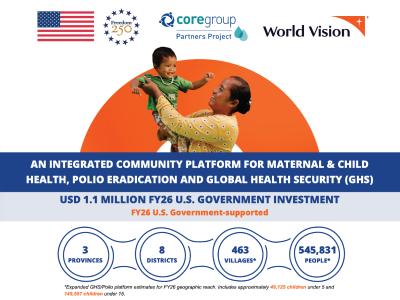
World Vision Timor Leste IMPACT Report 2025 is now published
World Vision Timor‑Leste’s IMPACT Report 2025 highlights reaching 38,868 people with evidence‑based results in child nutrition, youth empowerment, and resilience