publication / June 24, 2026
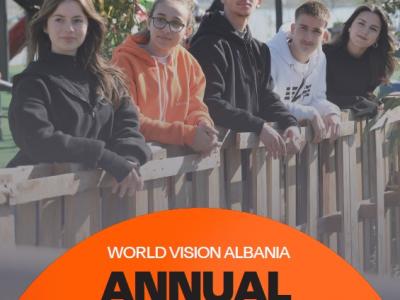
World Vision Albania Annual Impact Report FY 2025
The Annual Impact Report FY 2025 highlights programme results, community impact, and progress in supporting vulnerable children and families across Albania.
publication / June 23, 2026
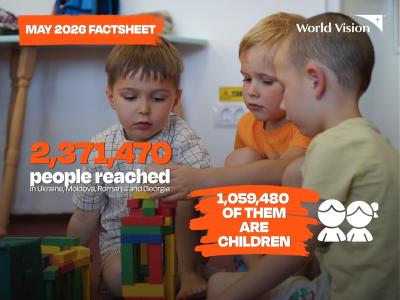
World Vision Ukraine Reaches Over 2.37M People
World Vision’s Ukraine Crisis Response (UCR) continues to deliver critical aid, surpassing 2.37 million individuals reached across Ukraine, Moldova, Romania, and Georgia. Children remain at the heart of our mission, making up 45% of the total reached population.
article / June 13, 2026
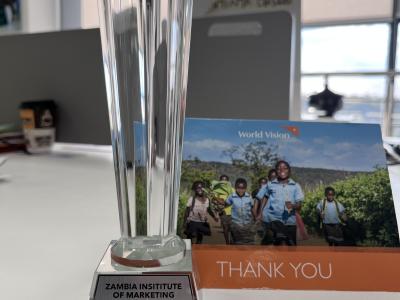
World Vision Zambia Wins Best Social Marketing Organisation of the Year 2025
World Vision Zambia has been named Best Social Marketing Organisation of the Year 2025 at the Zambia Institute of Marketing's 29th Annual Marketing Conference and Awards, a recognition that belongs not to us, but to the people who made it possible.
article / June 5, 2026
Innovation with Integrity: Advancing AI While Protecting Trust Across World Vision SAP
Haidy Wijaya Sung outlines how World Vision SAP balances digital transformation and AI innovation with data protection, integrity, and trust.

article / June 22, 2026
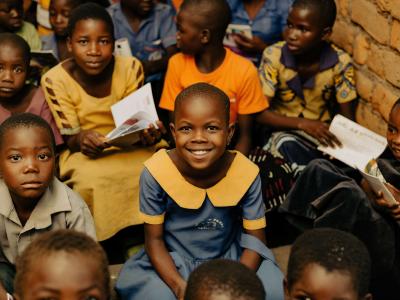
Tigwirizane Reading Camp Brings Back Confidence in Reading Among Children
Tigwirizane Reading Camp Supported by World Vision Malawi is improving reading and writing skills among children in Phalombe through structured learning sessions.
article / June 7, 2026
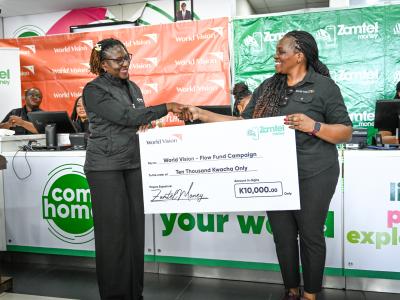
World Vision Zambia and Zamtel Launch Partnership to Keep Girls in School
In rural Zambia, menstrual poverty remains a significant barrier to education for thousands of girls. For many, missing up to four or five days of school every month, not because of illness or absence of will, but because of a lack of menstrual hygiene products, is simply the reality of life.
publication / June 1, 2026
2025 Annual Report: Child Well-being at the Heart of Our Achievements
This report highlights the progress made in various areas, guided solely by the goal of empowering children and vulnerable communities through the work of World Vision Senegal.
article / June 13, 2026
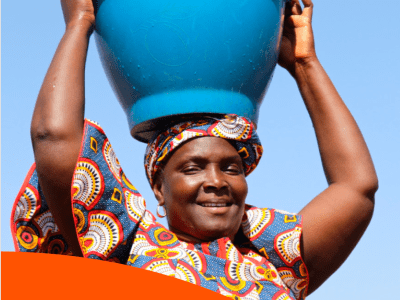
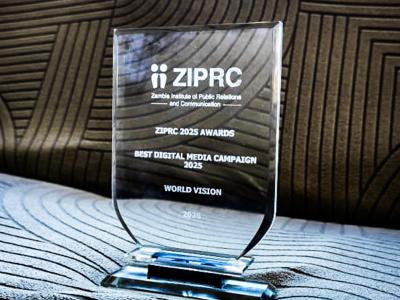
World Vision Zambia Wins Best Digital Media Campaign at ZIPRC 2025
When the Zambia Institute of Public Relations and Communications announced its 2025 awards, World Vision Zambia walked away with First Prize in the Best Digital Media Campaign category — recognition earned not in boardrooms, but in the communities where the real work happens. The award reflects a year of deliberate, story-led communications that placed children at the centre of every message, every image, and every decision about what to say and how to say it.
press release / June 24, 2026
World Vision Strengthen Community Disaster Risk Reduction capacity amid the super El Niño impact forecast in Southern Africa
World Vision strengthens community resilience in Southern Africa through Disaster Risk Reduction as a forecasted super El Niño threatens drought and floods in Mozambique.
publication / May 27, 2026
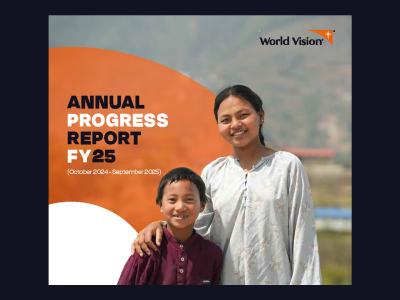
Annual Progress Report FY2025|World Vision International Nepal|English
World Vision International Nepal FY25 report highlights impact reaching 448,342 people, including 307,961 children, through education, livelihoods and protection programmes.