
publication / July 29, 2026
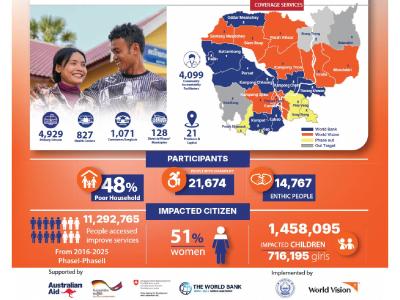
Factsheet | Engaging Citizens to Improve Service Delivery Through Social Accountability
Factsheet 2025 Engaging Citizens to Improve Service Delivery Through Social Accountability Project
article / September 7, 2021
2,326 children started school year with new school items
Within World Vision Armenia’s ‘Back To School’ donation campaign 2326 children, living in extreme poverty, welcomed the 2021 academic year with new school bags and school items.
article / October 22, 2020
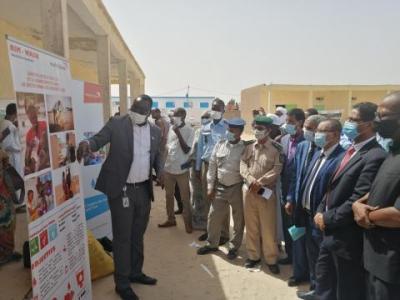
Celebrating Global Handwashing Day 2020 in Mauritania
The objective of year's Global Handwashing Day celebrations, organised by the Ministry of National Education, Vocational Training and Reform in collaboration with our partner UNICEF, was to promote hygiene as an effective and affordable way to prevent the spread of diseases.
article / August 4, 2021
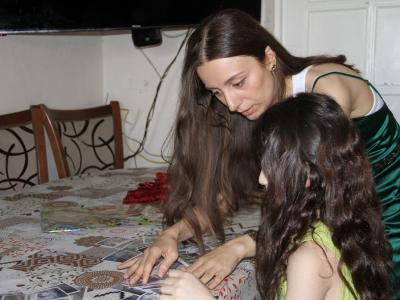
Starting over again in Armenia; Anahit’s* family finds professional support to carry on in Armenia after losing everything in Nagorno-Karabakh
Anahit and her five-member family have fled from Shushi Town of Nagorno-Karabakh on 3 November 2020, when the armed clashes were taking place close to the town.
article / April 8, 2021
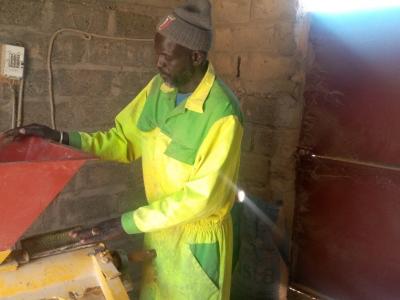
De la chaleur de Cambessa à la verdure de Baboulaye: Le destin d’une récidive à l’émigration clandestine
« Je m’appelle Babacar NDONGU, 45 ans. J’habite à Dioffior dans le quartier de Ndouk, et je suis père de six enfants (moins de 12 ans). J’ai fait quatre tentatives à l’émigration clandestine entre 2017 et 2020.
article / August 18, 2020
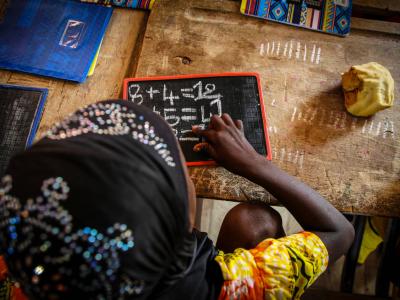
Clubs de lecture adaptés: Du livre à l'enfant
«La COVID-19 a fermé notre école. Cependant grâce aux bénévoles communautaires de World Vision, qui m'ont rendu visite régulièrement à la maison avec des livres, j’ai pu continuer à lire et à réviser.
article / August 7, 2020
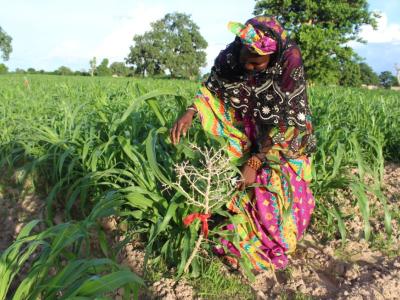
Stimuler la restauration à travers les ondes
Les programmes de radio diffusent le bon travail du projet « Regreening Africa » (Reverdir l’Afrique) au Sénégal.
press release / September 17, 2020
Inundaciones y deslaves masivos afectan a miles en Aragua, Venezuela
Reportan casas, edificios e infraestructura dañados o destruidos
Desastre exacerba el sufrimiento de quienes ya padecen crisis económica y sanitaria por COVID-19