article / August 21, 2026
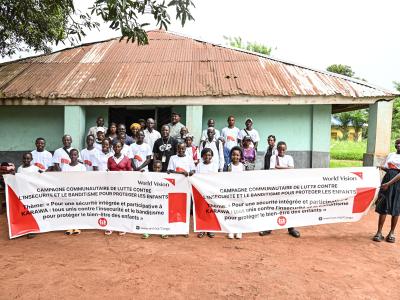
Karawa Communities Raise Their Voices for Security Through Citizen Voice and Action
This article highlights how communities in Karawa, North Ubangi, used World Vision DRC’s Citizen Voice and Action (CVA) approach to identify insecurity as a key concern and peacefully advocate for stronger protection measures. Through community mobilisation, dialogue with authorities and a formal advocacy memorandum, residents demonstrated how informed citizens can influence local governance and contribute to building safer, more resilient communities.
publication / August 28, 2026
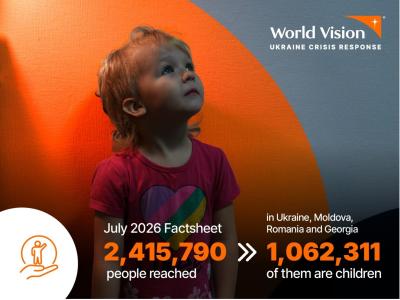
Over 2.4M Lives Supported: July 2026 Factsheet
As of July 2026, World Vision Ukraine Crisis Response has provided critical assistance to 2,415,790 people across Ukraine, Moldova, Romania and Georgia.
article / August 25, 2026
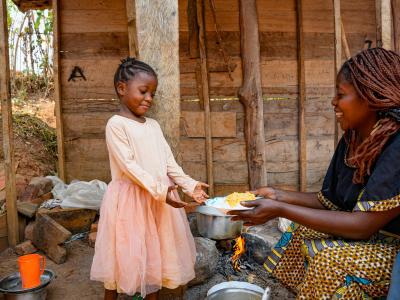
Two Meals a Day: MALIYETU’s Fight to Keep 16 Children Fed
After losing her home to the devastating Bushushu landslides and later fleeing conflict in Kalehe, 37-year-old MALIYETU struggles to provide for the 16 children in her care. With her husband out of work and the family surviving on just one meal a day, food assistance from WFP and World Vision has become a vital lifeline. Her story highlights the resilience of displaced families in eastern DRC and the power of humanitarian assistance to restore dignity, prevent malnutrition and give vulnerable households hope for a more secure future.
press release / August 26, 2026
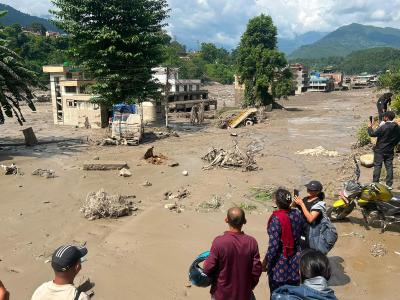
Flash flood devastates Rasuwa and Nuwakot, leaving 162 dead and over 400 missing; World Vision International Nepal readying humanitarian response
Copilot said:
Flash floods in Rasuwa and Nuwakot have caused widespread devastation, leaving 95 dead and nearly 400 missing. WVI Nepal is preparing emergency food and shelter assistance for affected families.
press release / August 25, 2026
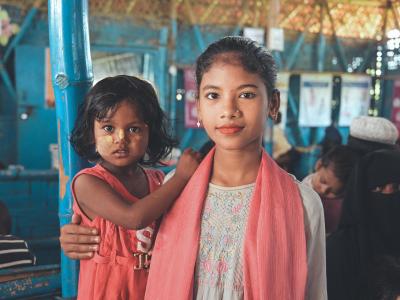
Nine Years of Struggle: Rohingya Children Caught Between Climate Disasters and Plunging Aid
Nine years into protracted displacement, escalating climate disasters and a 24% aid cut threaten 1.2 million Rohingya refugees, prompting World Vision to call for global responsibility-sharing and durable, nexus-driven solutions for children and host communities.
article / August 21, 2026
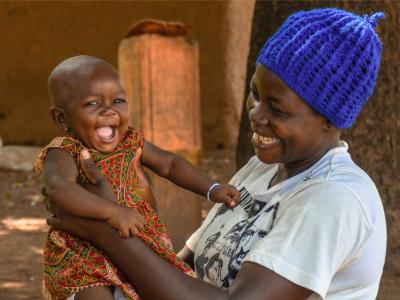
From the Red Status of Malnutrition to Green Status: A Grandmother's Fight to Save MALI from Malnutrition
This article tells the moving story of Esther, a grandmother in Katwiguru who fought to save her granddaughter MALI from severe malnutrition amid displacement and insecurity. With support from World Vision and access to therapeutic food and nutrition counselling, MALI’s health and appetite improved, moving her from severe malnutrition towards full recovery. The story highlights the resilience of caregivers, the importance of community-based nutrition services, and World Vision’s continued efforts to reach vulnerable children in hard-to-reach areas.
article / August 20, 2026
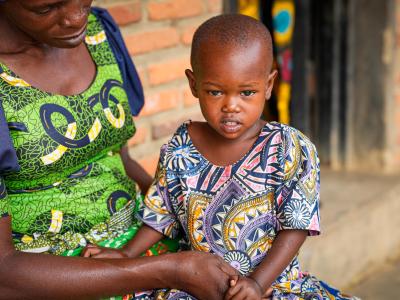
In Nyiragongo and Masisi, 8,000 households regain prospects thanks to the Emergency Response project
This article highlights how World Vision’s Emergency Response project in Nyiragongo and Masisi is helping 8,000 crisis-affected households rebuild their livelihoods and regain hope. Through vocational training, income-generating activities and livelihood kits, women and families have gained practical skills, increased their self-reliance and strengthened their ability to meet their children’s basic needs. Their stories demonstrate how economic empowerment can restore dignity, resilience and confidence among displaced and vulnerable communities.
article / August 24, 2026
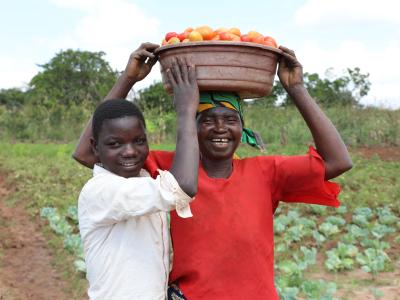
A Harvest That Put a Child Back in School
In Monapo, Mozambique, improved farming incomes through World Vision are helping children like 14-year-old Evanildo return to school and pursue their dreams.