article / August 5, 2026
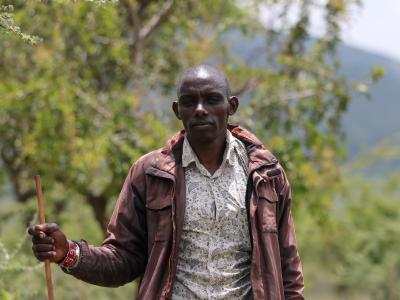
Growing Hope Through Faith and Farmer Managed Natural Regeneration
Discover how, in Kajiado County, John Silamoi is restoring degraded land through FMNR, reviving trees, improving pasture, and helping communities build resilience.
article / August 2, 2026
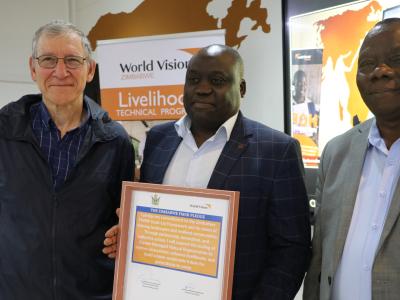
World Vision Zimbabwe Unveils National Framework to Scale Up Farmer Managed Natural Regeneration.
FMNR is a simple, low-cost and highly effective practice that regenerates trees from existing tree stumps, living roots and naturally occurring seeds already present in the soil.
article / August 5, 2026
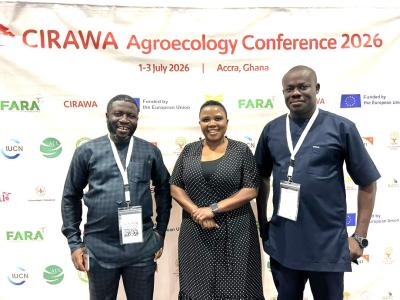
World Vision Ghana Champions Agroecology and Landscape Restoration at CIRAWA Conference 2026
How can Africa restore degraded landscapes while producing enough food for a rapidly growing population? This question was at the heart of the CIRAWA Agroecology Conference 2026, held in Accra from 1–3 July, where policymakers, researchers, development partners, private sector actors, civil society organisations, and farmers came together under the theme: "Agroecology and Nature-Based Solutions for Sustainable Food Systems in Africa."
publication / June 18, 2026
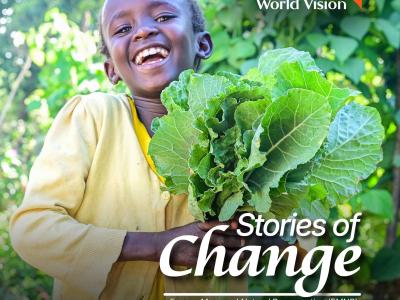
Stories of Change - Farmer Managed Natural Regeneration (FMNR)
Stories of how FMNR and complementary approaches restored landscapes, strengthened livelihoods and built climate resilience in Kenya's Central Rift.
publication / June 18, 2026
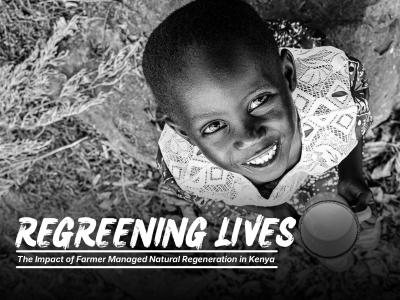
Regreening Lives - The Impact of Farmer Managed Natural Regeneration in Kenya
Discover how FMNR is restoring degraded lands, improving food security and building climate resilience for communities across Kenya's ASAL counties.
video / August 3, 2026
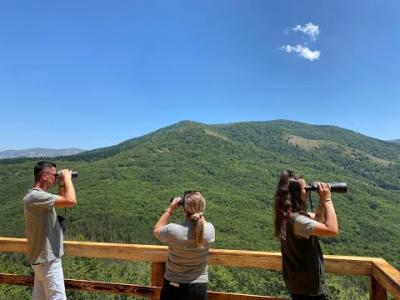
Panoramic balconies as a model for connecting people with nature and sustainable management of protected areas
World Vision Albania, in collaboration with PONT, is promoting biodiversity conservation in Shebenik and Korab-Koritnik parks through small, well-planned infrastructure like panoramic balconies, supporting sustainable tourism, education, and community engagement.
press release / June 22, 2026
Ethiopia's FMNR (Farmer Managed Natural Regeneration) Movement Catalyst Gathers National Partners to Accelerate Restoration of Degraded Land
World Vision Ethiopia hosts the FMNR National Forum, bringing together partners to scale land restoration and create lasting benefits for children.
article / August 5, 2026
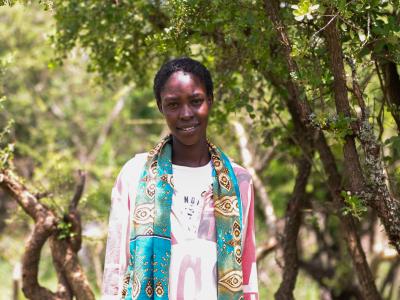
Restoring Land, Empowering Families: Mirriam Mepukori's FMNR Journey in Kajiado
Discover how, through FMNR, a piece of land Oloirimirimi village, Kajiado County, which was once dry and bare, is slowly coming back to life.
article / July 16, 2026
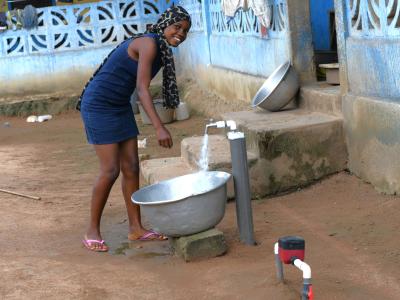
World Vision Ghana’s Innovative Water Management Model Gains Global Recognition
World Vision Ghana’s innovative water management model is improving access to safe water and attracting interest across the World Vision partnership.
press release / July 23, 2026
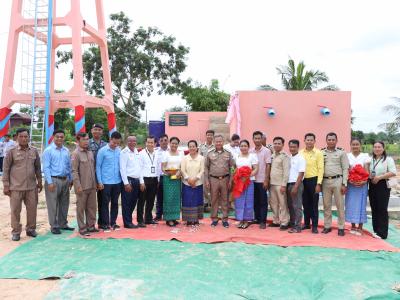
PRESS RELEASE: New Water Project Expands Safe Drinking Water Access for Communities in Siem Reap
World Vision Cambodia's WATER Project is expanding access to safe drinking water for more than 3,000 people in Siem Reap through sustainable community-led infrastructure.