publication / July 6, 2026
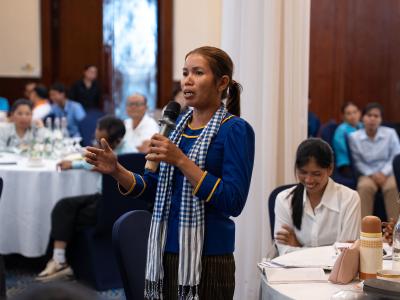
The inaugural Global Dialogue on AI Governance must deliver for children
This joint statement, calls on governments to place children’s rights at the centre of AI governance.
press release / June 26, 2026
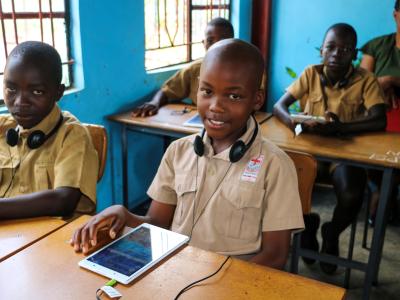
World Vision Launches Humanitarian Response to Support Victims of Deadly Earthquakes in Venezuela
Press release highlighting World Vision's response to needs caused by back-to-back earthquakes in Venezuela
publication / July 9, 2026
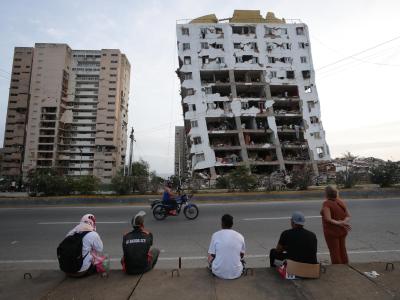
Lebanon Response 2026 - Situation Report #14
This situation report provides an overview of the humanitarian impact of the Lebanon emergency response between 2 March and 9 July 2026. It highlights the evolving context following the ceasefire, key humanitarian needs, World Vision Lebanon's response, operational constraints, advocacy priorities, funding progress, and planned actions to support conflict-affected children, displaced families, returnees, and host communities across the country.
publication / July 15, 2026
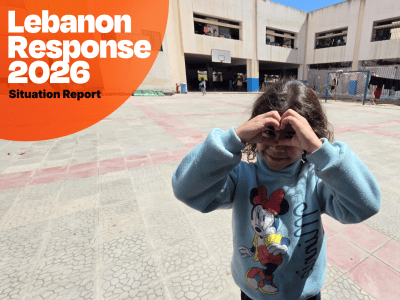
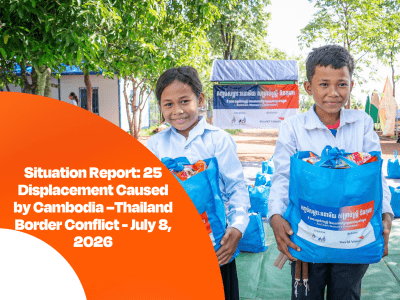
World Vision Situation Report #25: Displacement Crisis as a Result of the Cambodia –Thailand Border Conflict (Updated on 8 July 2026
World Vision Cambodia, Situation Report #35, Displacement Crisis as a Result of Cambodia-Thailand Border Conflict
article / July 8, 2026
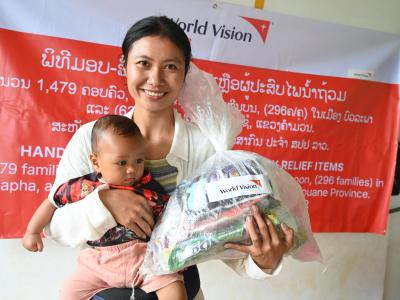
Emergency Relief Brings Hope to Flood-Affected Families in Laos
World Vision Laos responds to Typhoon Wipha floods, aiding 1,479 households with hygiene kits and resilience support in Khammouan Province.
publication / June 18, 2026
Stories of Change - Farmer Managed Natural Regeneration (FMNR)
Stories of how FMNR and complementary approaches restored landscapes, strengthened livelihoods and built climate resilience in Kenya's Central Rift.
publication / July 6, 2026
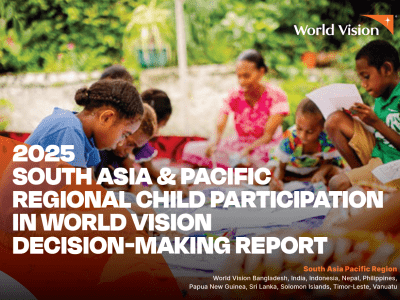
2025 South Asia & Pacific Regional Child Participation in WV Decision-Making Report
The 2025 Regional South Asia & Pacific Child Participation Report details the impact of engaging boys and girls in decision-making at local and national levels.
publication / July 14, 2026
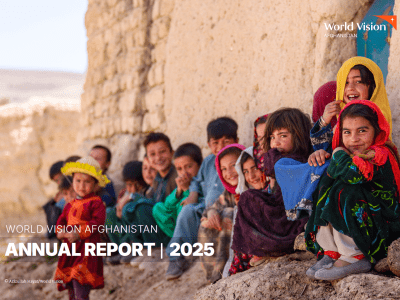
World Vision Afghanistan Annual Report | FY25
1.49 million people were reached through health, nutrition, WASH, food, livelihoods and protection services.
publication / July 5, 2026
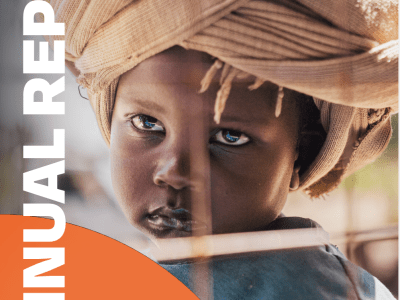
Humanitarian Emergency Affairs 2025 Annual Report - EAST AFRICA
Despite escalating humanitarian needs and constrained resources, World Vision East Africa continued to deliver life-saving assistance and build resilience across the region. The FY25 Humanitarian and Emergency Affairs (HEA) Report highlights the impact of emergency response efforts in nine countries, reaching 7.5 M people, including 4M children.
press release / June 29, 2026
Joint Press Release: National Dialogue Calls for Stronger Support for Agroecology and Sustainable Food Systems in Cambodia
Around 120 stakeholders from government, civil society, development partners, and farmer groups gathered in Phnom Penh for a national policy dialogue promoting agroecology and farmer-led innovation as key pathways to sustainable and resilient food systems in Cambodia. The event showcased evidence from participatory research and generated policy recommendations to strengthen investment in agroecological transitions, enhance agricultural services, and ensure inclusive participation of women, youth, and Indigenous communities. Participants emphasized the critical role of farmers as innovators and called for stronger collaboration to integrate agroecology into national strategies.