article / August 24, 2026
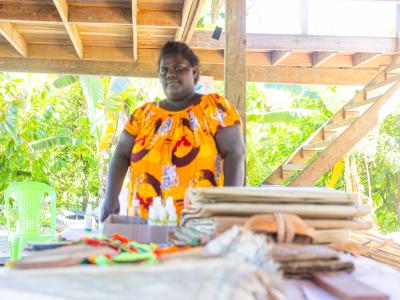
More Than a Business: Creating a Future for Her Children
With support from SPIR II, Senait transformed a small livestock investment into a thriving poultry business, improving nutrition, income, and opportunities for her children.
article / September 7, 2026
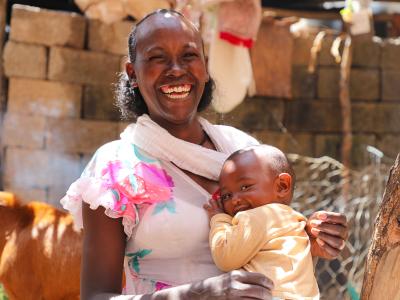
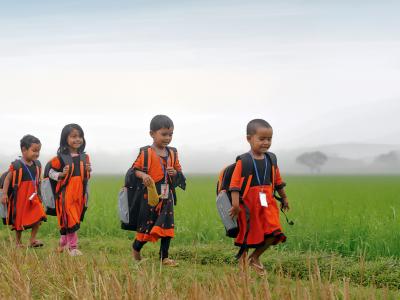
More Than Paper: A Space Where Every Child Belongs
Nine-year-old Watan joins an inclusive IMPACT+ art initiative, transforming discarded paper into creativity, confidence and a sense of belonging.
press release / September 8, 2026
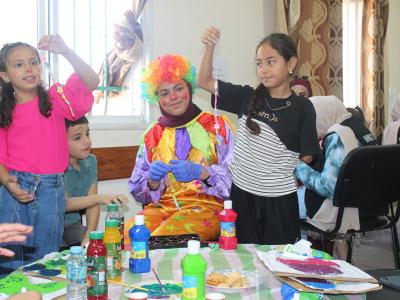
From Island Realities to Policy Action: Children Hand Over Climate Solutions to Solomon Islands Government Ahead of COP 31
At the World Vision-supported Klaemet Tok Stori from Pikinini summit, children press the Solomon Islands Government to carry frontline Pacific realities and youth-led climate solutions straight to the COP31 global stage.
publication / September 8, 2026
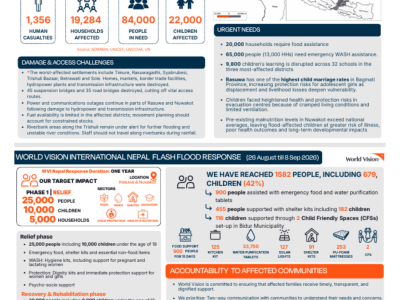
Situation Report 4: Nepal Flash Floods Response 2026
Situation Report 4
article / September 4, 2026
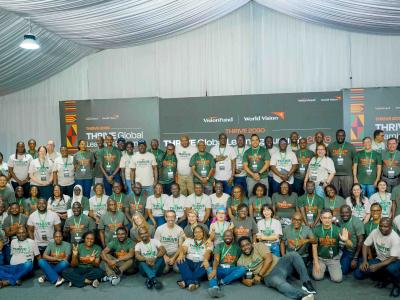
Up the Economic Empowerment Ladder: Ghana Hosts Eleven+ Nations for the THRIVE Global Learning Summit 2026
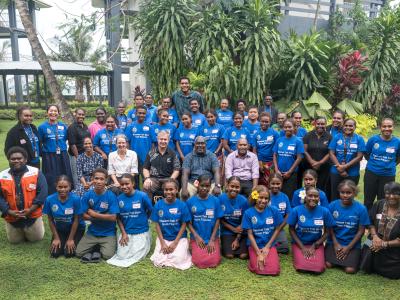
For five days, from 24–28 August 2026, the Labadi Beach Hotel in Accra hosted the THRIVE Global Learning Forum 2026, bringing together nearly 130 participants from all eleven THRIVE implementing countries, alongside representatives from World Vision International, VisionFund International, World Vision US and donors, under the theme “Up the Economic Empowerment Ladder.”
article / August 24, 2026
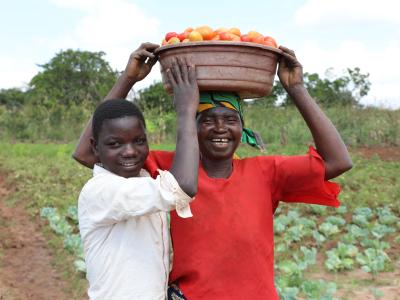
A Harvest That Put a Child Back in School
In Monapo, Mozambique, improved farming incomes through World Vision are helping children like 14-year-old Evanildo return to school and pursue their dreams.
publication / September 4, 2026
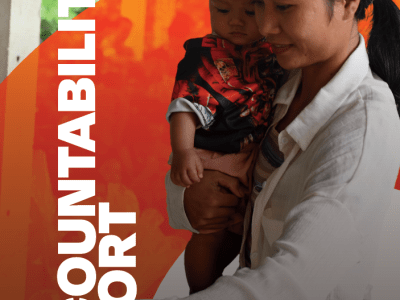
Global Accountability Report 2025
Explore World Vision's 2025 Accountability Report, highlighting transparency, safeguarding, financial stewardship, resilience, and community impact.
article / August 21, 2026
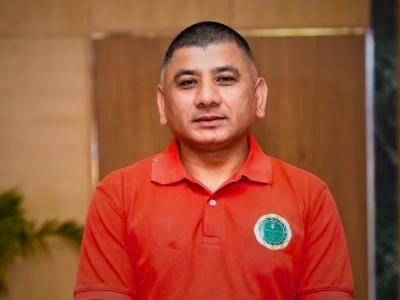
Standing with Children Through Crisis and Recovery
Having lived through the 2015 earthquake himself, Surendra Ratna Shakya has dedicated his career to supporting vulnerable children and families through crisis and recovery.
article / August 27, 2026
From Women's Empowerment to Community Resilience
Through the EU-supported Women’s Economic Empowerment Sapotim Strongpela Meri Project, implemented by World Vision PNG, Amalanie Mimisi has grown her small business, increased household income, and created economic opportunities for women and elderly community members in Central Bougainville