article / August 21, 2026
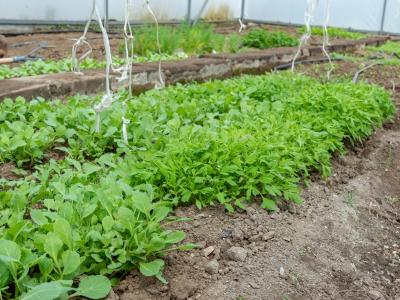
At the Frontline of Crisis and Recovery
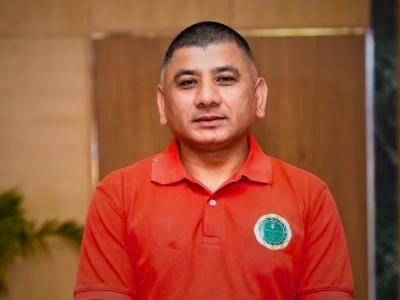
From earthquakes to landslides, Nanda Budha reflects on leading humanitarian responses and standing with communities in crisis.
article / August 21, 2026
DR Congo: When War Overtakes Healing but Hope Prevails: The Story of GAKURU
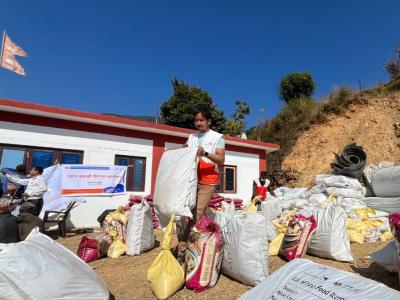
GAKURU’s story illustrates the devastating impact of conflict and displacement on children facing malnutrition in eastern Democratic Republic of the Congo. After recovering from severe acute malnutrition with support from World Vision, two-year-old GAKURU was forced to flee with his family when violence swept through his village, leading to a relapse. Through continued nutritional support and follow-up care, he eventually recovered. His journey highlights the resilience of children and families living through crisis, while showing how World Vision’s Nexus Accelerator Fund continues to provide life-saving nutrition support in hard-to-reach and conflict-affected communities.
article / August 20, 2026
In Nyiragongo and Masisi, 8,000 households regain prospects thanks to the Emergency Response project
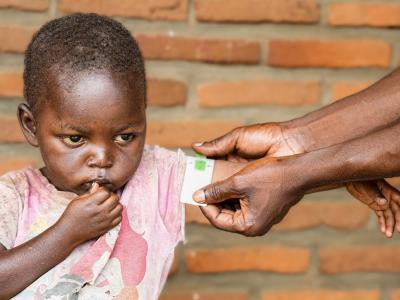
This article highlights how World Vision’s Emergency Response project in Nyiragongo and Masisi is helping 8,000 crisis-affected households rebuild their livelihoods and regain hope. Through vocational training, income-generating activities and livelihood kits, women and families have gained practical skills, increased their self-reliance and strengthened their ability to meet their children’s basic needs. Their stories demonstrate how economic empowerment can restore dignity, resilience and confidence among displaced and vulnerable communities.
article / August 21, 2026
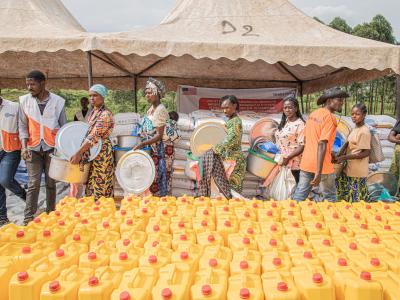
Standing with Children Through Crisis and Recovery
Having lived through the 2015 earthquake himself, Surendra Ratna Shakya has dedicated his career to supporting vulnerable children and families through crisis and recovery.
article / December 3, 2020
UNICEF Regional Director for West and Central Africa makes an official visit to Assaba with World Vision
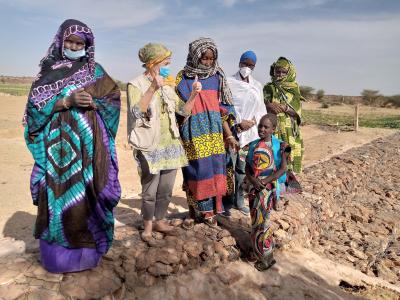
The one-year Project for Strengthening the Resilience of the Communities Most Vulnerable to Malnutrition and Food Insecurity is implemented in six Mauritanian Communes of the Moughataa of Kiffa in the Wilaya of Assaba. This visit allowed Ms. Marie Pierre Poirier to exchange with project beneficiaries, as well as with administrative authorities and the technical team in charge of implementation and monitoring.
article / July 16, 2021
Optimism is half battle won
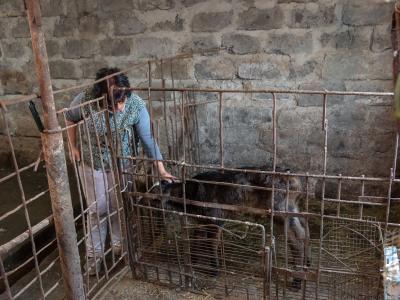
Ophelia lives with her big family in one of the communities of Amasia, Shirak Marz, Armenia.
article / February 5, 2021
Promoting zero tolerance for Female Genital Mutilation (FGM), one community at a time
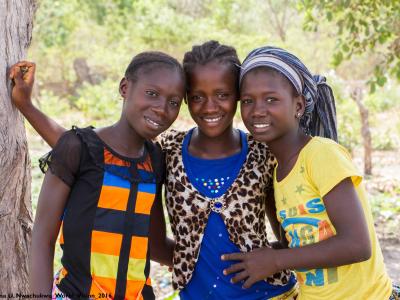
It is estimated that more than 200 million young girls and women still alive today have been victims of Female Genital Mutilation (FGM). On this 6 February International Day of Zero Tolerance for FGM, World Vision reaffirms its commitment to defend the fundamental rights of girls and women.
article / November 13, 2020
Equipping Mauritanian communities to create a healthy environment for children
In 2016, 37-year-old Koranic teacher Sidi Mohammed met with World Vision staff visiting his neighbourhood to implement sponsorship projects, raise awareness, and identify children in need of support. It was then that Sidi discovered an important model that marked a turning point in his life – the Celebrating Families approach (CFC), whose purpose is to equip communities to create a healthy and loving environment for the well-being of children.
article / August 2, 2021
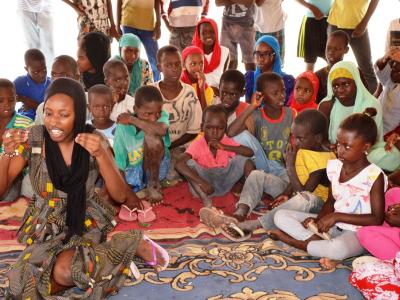
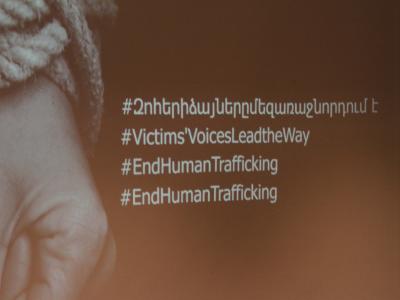
Combatting human trafficking and Exploitation in the spotlight
World Vision, within its new ‘Together against Trafficking in Persons’ project funded by the United States Department of State, supported the launch of the new awareness raising campaign to combat Human Trafficking and Exploitation initiated by the Ministry of
article / July 16, 2021
Family in desperate situation is back on their feet
When you meet Khanum, you will not even guess about the difficulties she overcomes, because she is always smiling and optimistic.