article / August 6, 2026
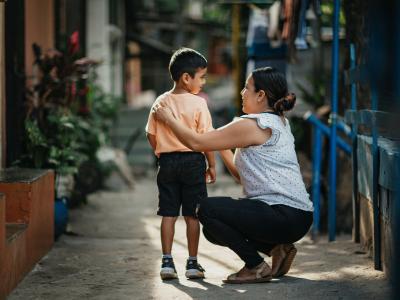
Partnering for Community-Level Urban Sanitation, El Salvador
World Vision's urban sanitation project in El Salvador brought safe, in-home sanitation to 90 families through partnership, innovation and community action.
article / July 23, 2026
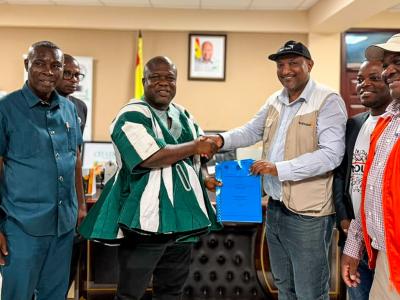
World Vision Ghana and Volta Regional Council Partner to Improve Water, Sanitation and Health Services
World Vision Ghana and the Volta Regional Coordinating Council have signed an MoU to expand access to clean water, sanitation and health services in Agortime-Ziope.
article / June 22, 2026
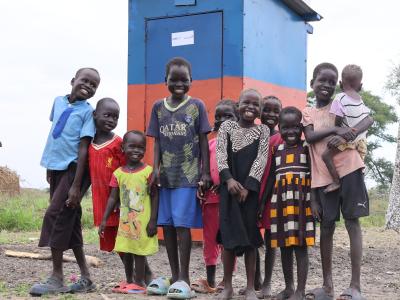
For Mary, a latrine means safety for her children
Mary Ayul, a 30-year-old mother from Nyilwal Boma in Panyikang County, recounts how flooding in March 2026 forced her and her five children to flee their home in the middle of the night when rising Nile waters inundated their village. Displaced to Tonga Payam, Mary faced new challenges, particularly the lack of proper sanitation, which threatened her family’s health and safety. With support from World Vision and funding from the South Sudan Humanitarian Fund, latrines were constructed for affected families, providing safe sanitation and reducing risks such as disease and exposure to dangers in the open. For Mary, the latrine represents more than infrastructure, it restores dignity, protects her children, and brings hope for a healthier future after the loss caused by the floods.
article / June 16, 2026
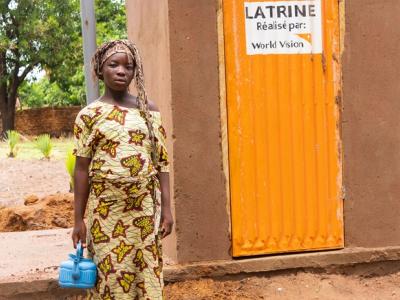
A latrine, a new life for Ernestine.
“We used to get sick all the time. We kept getting diarrhea, and it disrupted our family life and our studies,” says Ernestine.
publication / August 6, 2026
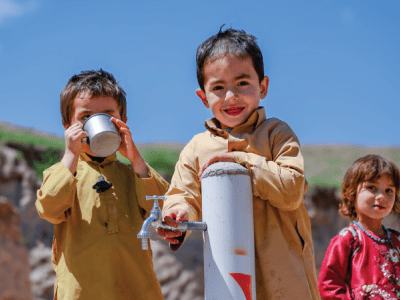
Situation Report | Reporting Period 1 February – 31 March FY26
World Vision Afghanistan reached 463,622 people through health, WASH, food security, livelihoods, protection, and emergency response.
publication / July 21, 2026
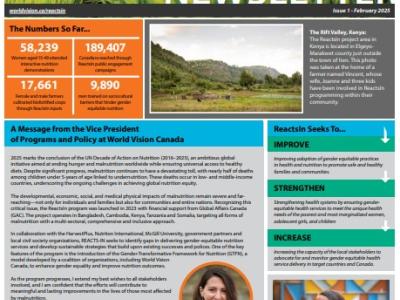
ReactsIn Newsletter Issue 1 Feb 2025
Explore the February 2025 ReactsIn newsletter featuring nutrition results, gender-equitable programming, Kenya field visits, and project expansion.
publication / August 6, 2026
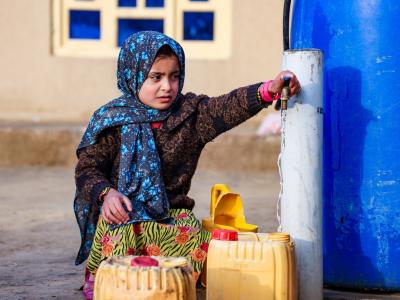
Situation Report | Reporting Period: 1 April – 31 May FY26
World Vision Afghanistan's April–May 2026 humanitarian response reached 223,734 people across multiple sectors.
article / August 6, 2026
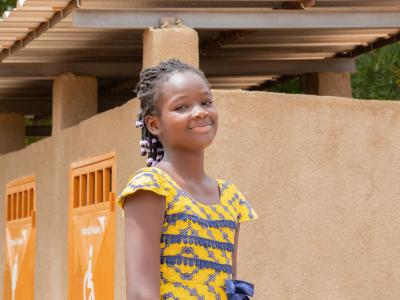
Urban Inclusive WASH Project, Burkina Faso
Discover how inclusive urban WASH solutions improved health, dignity and resilience for displaced and host families in Burkina Faso.
article / August 6, 2026
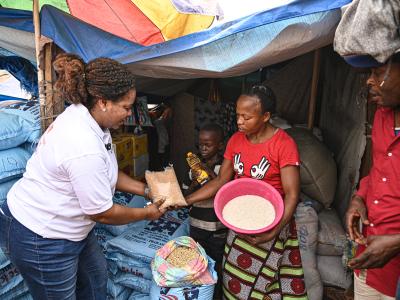
DR Congo: More than 20,000 Displaced People From Pakadjuma Receive Emergency Food from World Vision DRC and Save the Children
World Vision DRC and Save the Children International, through the Joining Forces consortium, provided emergency food assistance to more than 20,000 people displaced from Pakadjuma and now living in Kinkole, Kinshasa. Implemented in coordination with government authorities, the intervention reached over 6,000 vulnerable households with essential food supplies while highlighting the urgent humanitarian needs that extend beyond food, including healthcare, child protection, shelter and education. The response reaffirms both organisations' commitment to protecting the well-being and dignity of children and families affected by forced displacement.
publication / July 29, 2026
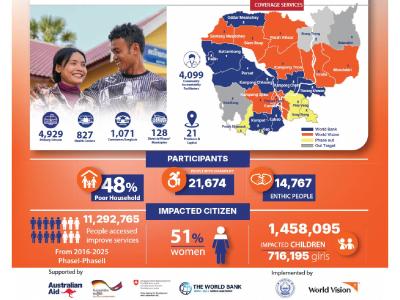
Factsheet | Engaging Citizens to Improve Service Delivery Through Social Accountability
Factsheet 2025 Engaging Citizens to Improve Service Delivery Through Social Accountability Project