publication / September 2, 2026
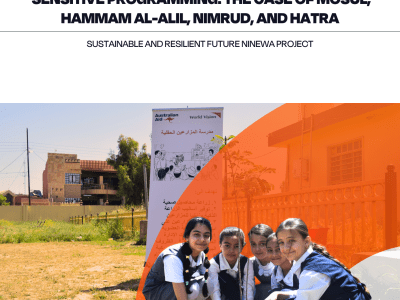
Context and Conflict Analysis: Sustainable and Resilient Future Ninewa Project
Explore World Vision’s Context and Conflict Analysis for Ninewa, Iraq, examining conflict dynamics, livelihoods, climate pressures, inclusion, and opportunities to strengthen resilience and social cohesion.

article / September 2, 2026
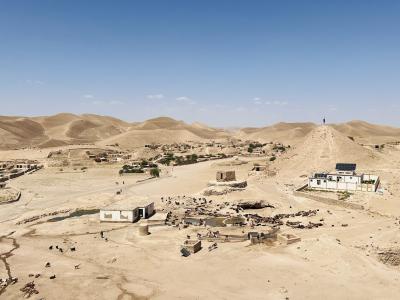
Building Dignity, Restoring Health: How Community Contributions Transformed an Entire Village into an Open Defecation-Free Community
Discover how Khuja Espalan village in Faryab became Open Defecation-Free through community action, local contributions, and improved sanitation.
press release / September 3, 2026
World Vision Lesotho, Government, U.S. Embassy and Health Partners Come Together to Strengthen Faith and Community Health Services in Lesotho
World Vision Lesotho, Government, U.S. Embassy and health partners come together to co-create a roadmap to strengthen faith and community health services in Lesotho.
publication / August 26, 2026
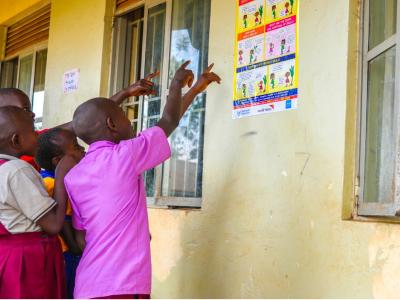
POLICY BRIEF: Debt for What?
This policy brief on public debt utilisation in Kenya and Zambia, examining how borrowed resources translate into development outcomes
publication / August 20, 2026
WV Rwanda Fact Sheet
Our latest Strategy Achievements Factsheet captures key results and milestones achieved since the strategy was introduced. It provides a snapshot of the progress made so far, across our priority areas, highlighting the reach, partnerships and approaches contributing to sustainable impact.
publication / August 20, 2026
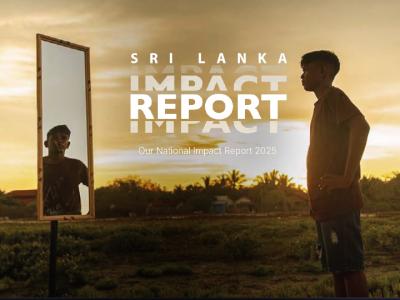
WV Sri Lanka Impact Report 2025
Explore World Vision Sri Lanka’s 2025 Impact Report and discover the stories, progress and impact created alongside children, families and communities across Sri Lanka.
article / August 27, 2026
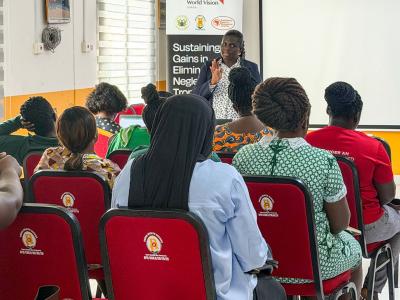
World Vision Ghana Trains over 270 Health Workers to Strengthen Community-Based Surveillance and Care for Neglected Tropical Diseases
World Vision Ghana, in partnership with the National NTD Programme, is strengthening community-based surveillance and care for neglected tropical diseases through the training of frontline health workers, improving early detection, referrals, NHIS enrolment and access to essential healthcare services.