article / August 24, 2026
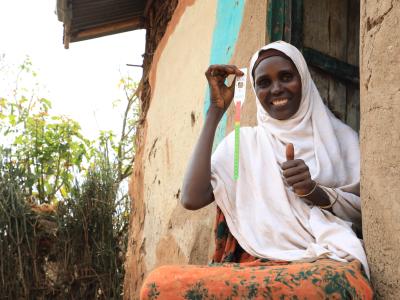
More Than a Business: Creating a Future for Her Children
With support from SPIR II, Senait transformed a small livestock investment into a thriving poultry business, improving nutrition, income, and opportunities for her children.
article / August 31, 2026
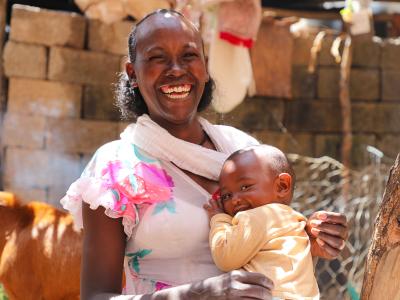
Taslima’s Dream for Her Daughter
For Taslima, 38, the greatest dream was never a bigger home or a better job. It was simple, to see her children grow up healthy, educated and with the opportunities she never had.
press release / August 25, 2026
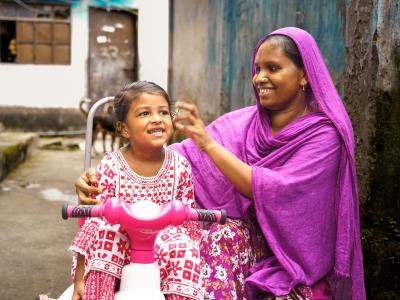
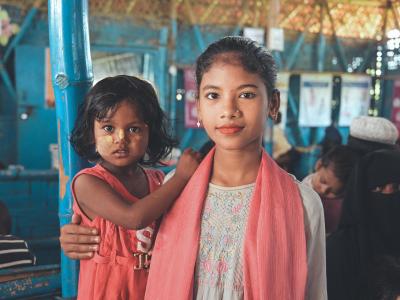
Nine Years of Struggle: Rohingya Children Caught Between Climate Disasters and Plunging Aid
Nine years into protracted displacement, escalating climate disasters and a 24% aid cut threaten 1.2 million Rohingya refugees, prompting World Vision to call for global responsibility-sharing and durable, nexus-driven solutions for children and host communities.
article / August 21, 2026
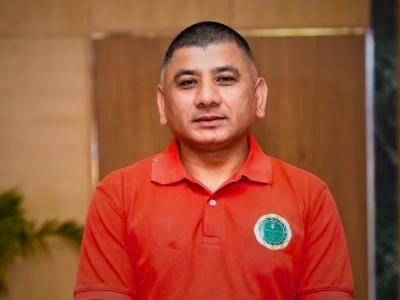
Standing with Children Through Crisis and Recovery
Having lived through the 2015 earthquake himself, Surendra Ratna Shakya has dedicated his career to supporting vulnerable children and families through crisis and recovery.
article / August 25, 2026
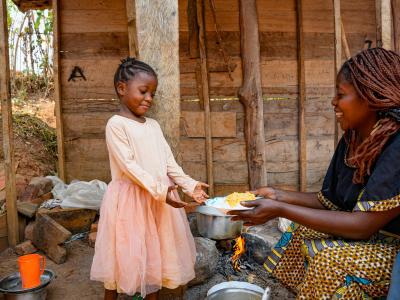
Two Meals a Day: MALIYETU’s Fight to Keep 16 Children Fed
After losing her home to the devastating Bushushu landslides and later fleeing conflict in Kalehe, 37-year-old MALIYETU struggles to provide for the 16 children in her care. With her husband out of work and the family surviving on just one meal a day, food assistance from WFP and World Vision has become a vital lifeline. Her story highlights the resilience of displaced families in eastern DRC and the power of humanitarian assistance to restore dignity, prevent malnutrition and give vulnerable households hope for a more secure future.
publication / June 1, 2026
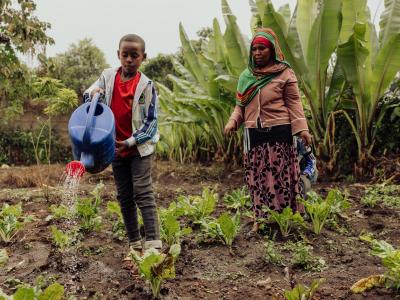
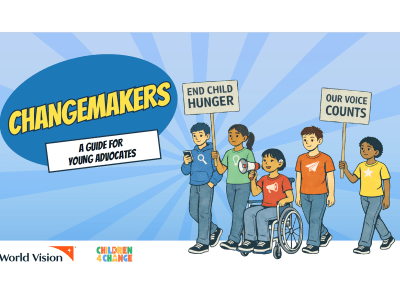
Changemakers - A guide for young advocates
Part of the Changemakers Digital Package, this resource helps young advocates understand advocacy and take safe, inclusive action through activities and steps.
article / August 24, 2026
“I Dont Want My Children to Die of Hunger”: One Family's Fight Against a Famine Somalia Has Seen Before
As funding dwindles, needs are outpacing resources in Somalia. Some locations are already showing famine conditions as humanitarian organisations scale down or close operations.
article / August 24, 2026
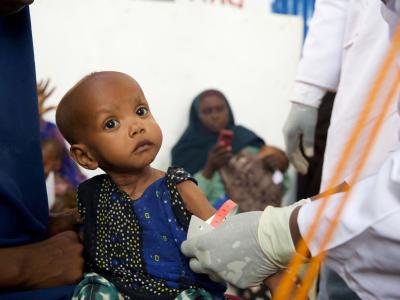
A Mother's Knowledge, A Child's Recovery
A mother trained in Family MUAC screening identified her child’s malnutrition early, helping him recover and enabling more children in East Bale to access timely treatment.