

27,000 children’s groups: What we've learned about creating lasting change
Tiffany Tao Joiner, Senior Advisor for Child Participation & Capability, shares key insights from recent research on what makes children's groups effective and how enabling environments can strengthen child participation and long-term outcomes.
06 April 2026
Growing up, I took part in my fair share of clubs and children’s groups. Some were utter failures – like my 5th grade sticker club that fell apart after one week. Others gave me a sense of meaning and purpose, like my college clean water club which raised money for clean water projects around the world. I was lucky enough to have these opportunities where my voice was heard and I was free to learn, grow, and even fail together with my peers.
Now, I find myself fortunate to work with World Vision, looking at how we as an organisation, as an industry, and as societies, can do better in strengthening children’s groups. How can we enable children's voices to be heard in meaningful ways that boost their confidence and lead to better life outcomes?
Inspired by a Children’s Group in Peru
I clearly remember my visit to a children’s group meeting in Cusco, Peru, several years ago. While the weather that day was grey and subdued, the energy in that room of 30 adolescents was bold and electrifying. Club members took turns proposing local solutions for issues such as child labour and low school attendance. Their collective confidence to make a difference in their community was unmatched.
World Vision currently supports over 27,000 children’s groups with more than 1.5 million child members across the world. The children who demonstrate the most hope, energy, and excitement for making positive change are ones that are active in strong children’s groups like the one I observed in Cusco.
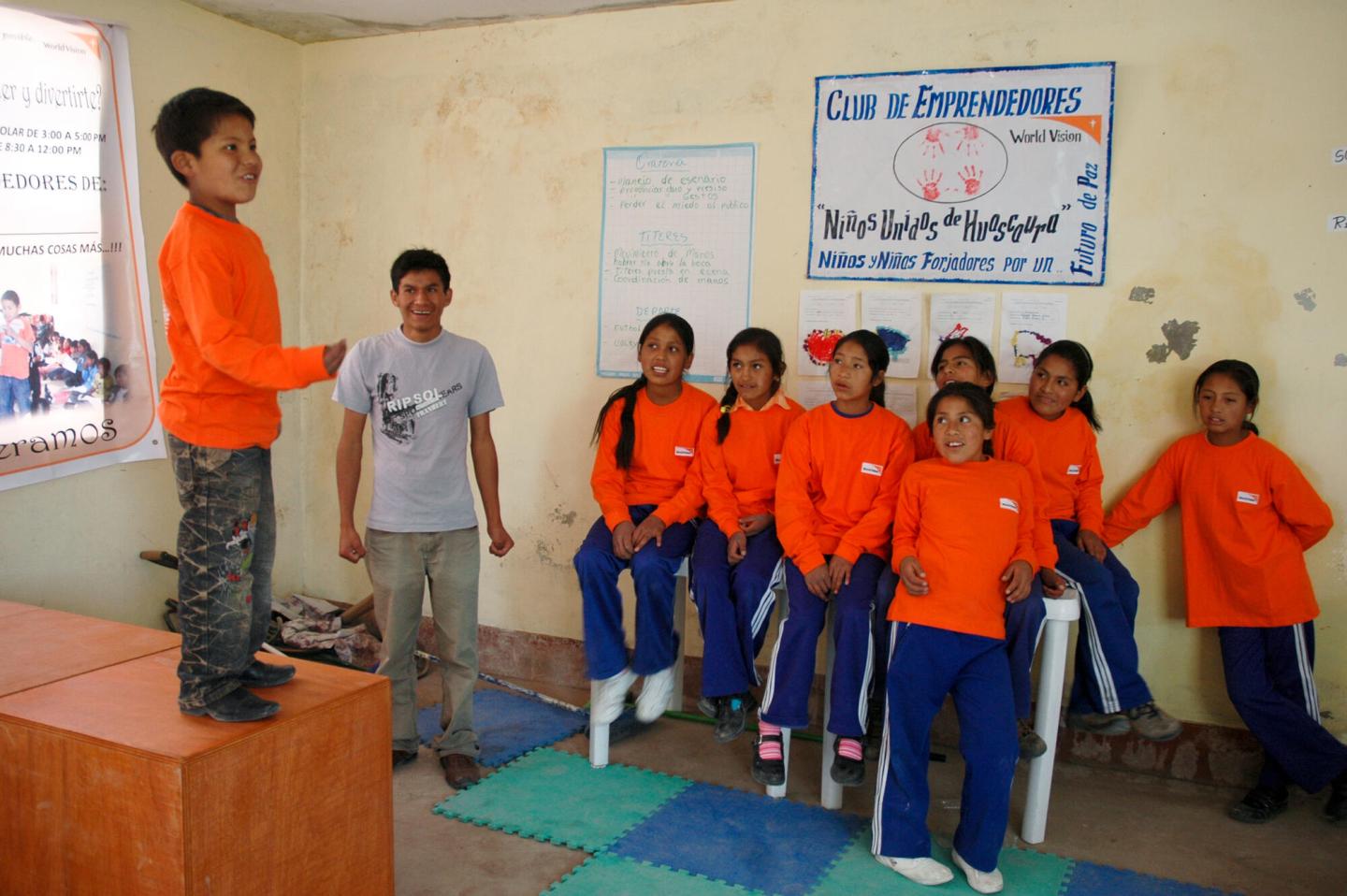
These groups embody child participation - a right enshrined in Article 12 of the Convention on the Rights of the Child, which states that children have the right to be heard and taken seriously in decisions that affect their lives. UNICEF affirms that when children and young people do participate, it can build confidence, strengthen identity, and foster a critical sense of agency.
Knowing this, my team decided to dig deeper and find out: What exactly is it about groups that ignite children’s passion for acting on issues that they care about? What makes some groups rise, and others fall short of their goals? And does the children’s group setting itself make a difference in helping children achieve positive outcomes?
The Research: The Case for Children’s Groups
These questions formed the basis of our recent case study evaluation: Measuring the Enabling Environment of Children’ Groups – done in partnership with AEQUA Strategies. Taking place in Cambodia and Mongolia, the research looked at how the children’s groups setting itself can help programmes achieve better outcomes by creating supportive spaces where children feel empowered and experience longer lasting positive change.
We looked at how children in groups verses children outside of groups (but still benefitting from World Vision programming in their area) scored in different categories related to enabling and supportive environments. The emerging findings show that in Cambodia, children in groups demonstrated slightly better outcomes than children not in groups. This was especially true in the areas of feeling accepted by the wider community and whether their views are incorporated into decision-making by other children, their families, and the local government. In Mongolia, while initial findings seemed unclear and, in some cases, contradictory, closer examination revealed greater insight into what are important elements to enabling environments for children.
Moreover, the research showed that support for Children’s Groups was near 100% in all those interviewed:
“Since we established the children's club and children's club members did awareness-raising activities in the communities, there have been many positive changes in my community. Community members better understand and learn more about violence against children and positive parenting." – children from Cambodia children’s groups
“Through participation in the Peace Road' club, my child has become more open in discussions and expresses himself fully. I am confident he will achieve their goals.” – parents and caregivers from Mongolia
A key insight from the research is that enabling environments are important everywhere, but children’s groups are more likely to create this type of environment for boys and girls.
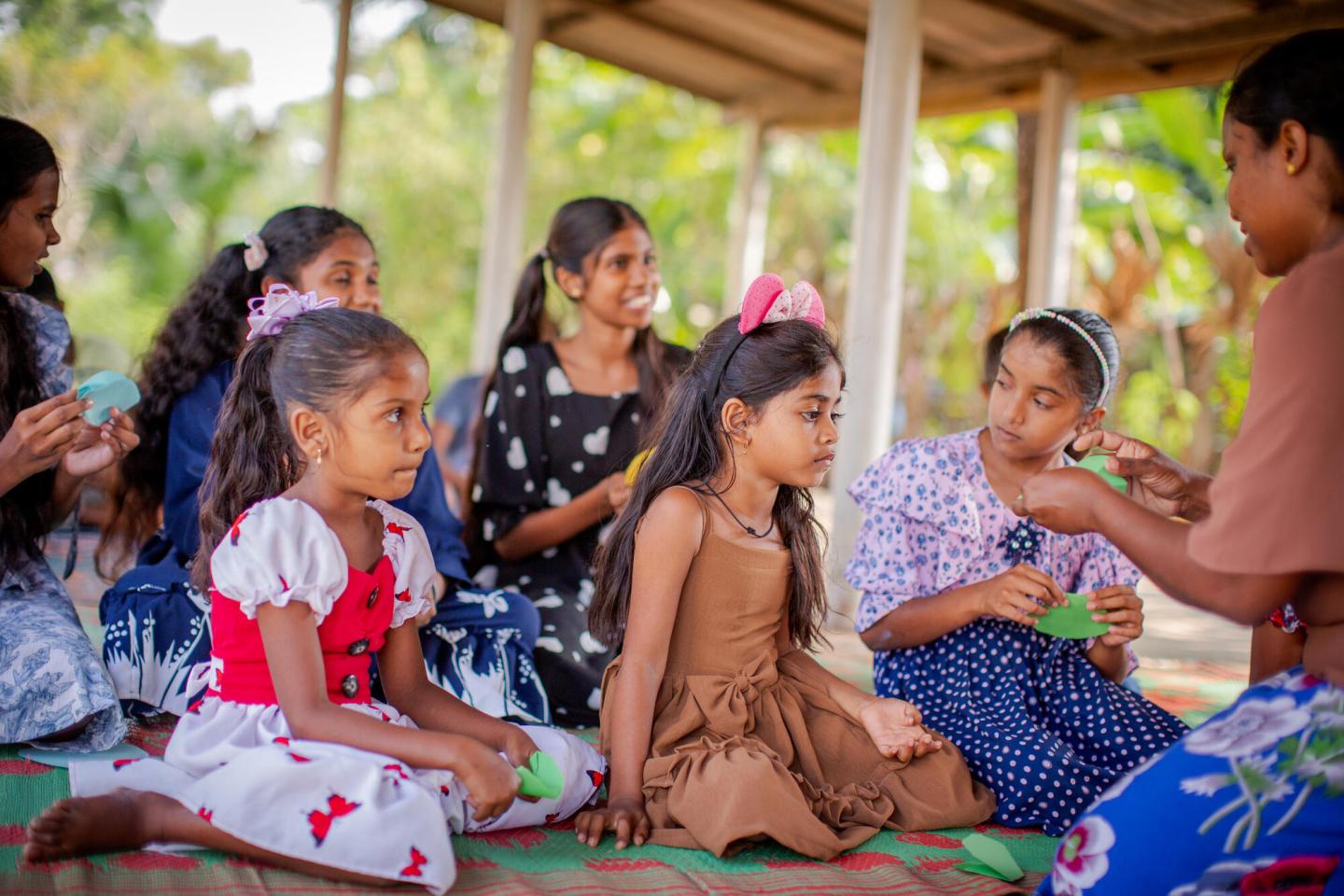
So, What Makes an Enabling Environment for Children’s Groups?
The framework below highlights three essential and connected elements for children’s groups to thrive:
- Support from parents and community members: When families and community leaders understand and value children’s groups, children are more encouraged to attend, and the group is more likely to sustain itself beyond World Vision’s initial support.
- Trained facilitators and safe spaces: Children need facilitators who are trained to nurture positive relationships and safe physical spaces to meet. This helps to create a safe and trusted space for children.
Role in local decision-making and advocacy: Having opportunities to speak into decisions that affect them and advocate for change helps address the root causes of challenges children face and shows them that their voices matter.
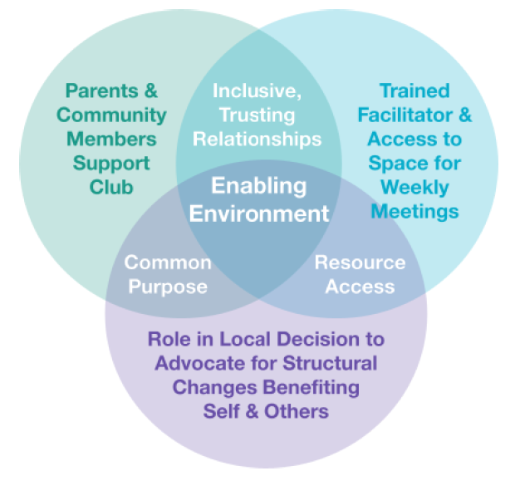
When these elements come together, they create trusting relationships, improve access to support and resources, and build a shared sense of purpose among children, families, and communities. This enabling environment strengthens their ability to participate meaningfully, stand up for their rights, and contribute positively to their communities.
Bold Hope for Children’s Groups
For practitioners, donors, and governments wishing to amplify the impact of their child-focused programmes, it is critical to invest in the environment and platform of children’s groups. Children’s groups are most powerful when their wider environment supports them. Effective facilitator training, community engagement, and ensuring meaningful pathways for children to influence decisions can lead to increased and lasting positive changes for children.
This is why World Vision invests in a children’s group platform for empowering boys and girls. A group of children, when surrounded by the right enabling environment, can push forward with bold hope that their dreams and goals will one day be a reality.
To read more about this research and enabling environments for children’s groups, see the Children’s Groups as Partners Global Learning Brief and the Measuring the Enabling Environment of Children’s Groups Full Technical Report.
About the author:
Tiffany Tao Joiner is the Senior Advisor for Child Participation & Capability with World Vision International. She has 15 years of experience in child participation, child rights, youth voice, and child protection. She works to ensure that children and adolescents have meaningful opportunities to participate in decision-making at local, national, and global levels, and that World Vision’s children’s groups are safe and empowering spaces for boys and girls.
Subscribe to see more content like this
Related Resources

Are we serious about children’s rights in the digital world?

Why listening to children is the best Christmas gift
