

Why listening to children is the best Christmas gift
This Christmas season, World Vision Iraq Country Director Biruk Kebede Beyene says the most meaningful gift for children isn’t wrapped under a tree. It’s intentionally listening to their ideas, needs, fears, and dreams so we can shape a better future not just for them, but with them.
22 December 2025
As Christmas approaches, a time often associated with reflection, hope, and family, I find myself thinking about children, what they carry with them into the new year, and what they wish adults would truly notice.
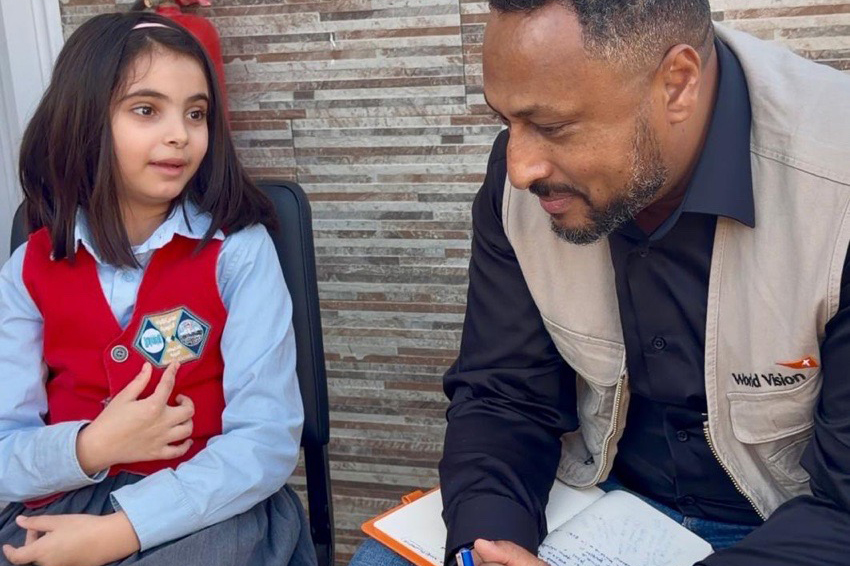
On the eve of World Children’s Day, I travelled to Kirkuk, Iraq to spend time with children and hear their ideas. As I listened, I reflected on my own childhood, growing up in a context where children were rarely encouraged to share their views. Important ideas were seen as the domain of adults, while children were expected to listen rather than contribute. Even then, I believed children had ideas worth hearing. Sitting with children in Kirkuk did not challenge that belief, it reaffirmed it.
Shaping opportunities for creativity
What stood out with these children was not a lack of ideas, but a lack of opportunity. When given time and genuine attention, children spoke with clarity and imagination. They described using technology to connect with other children across communities through digital platforms that support learning and collaboration. Some of them proposed competitions in innovation where children could develop solutions and be recognised for their creativity and contributions.
Education featured in every conversation. One moment in particular stayed with me. Nine-year-old Lara said that school shouldn’t focus on giving “endless and tiresome homework just to keep us busy,” but instead make learning more engaging and creative. In a single sentence, she captured what many education reforms struggle to articulate: children learn best when curiosity is nurtured, not when learning feels like a burden.
Reflections grounded in lived experiences
Alongside these aspirations, children spoke candidly about their most basic needs, food, shelter, and safety. Without these, they explained, it is difficult to focus on school or imagine the future. Their reflections were grounded in daily experience and expressed with empathy and fairness.
These conversations take place within a broader and challenging context. Children in Iraq are growing up amid the long-term effects of conflict, economic hardship, and increasingly visible climate shocks. Water shortages, extreme heat, and unpredictable seasons affect what families can grow, what children eat, and whether they can remain in school. For many children, concerns about climate change are not abstract, they are part of everyday life.
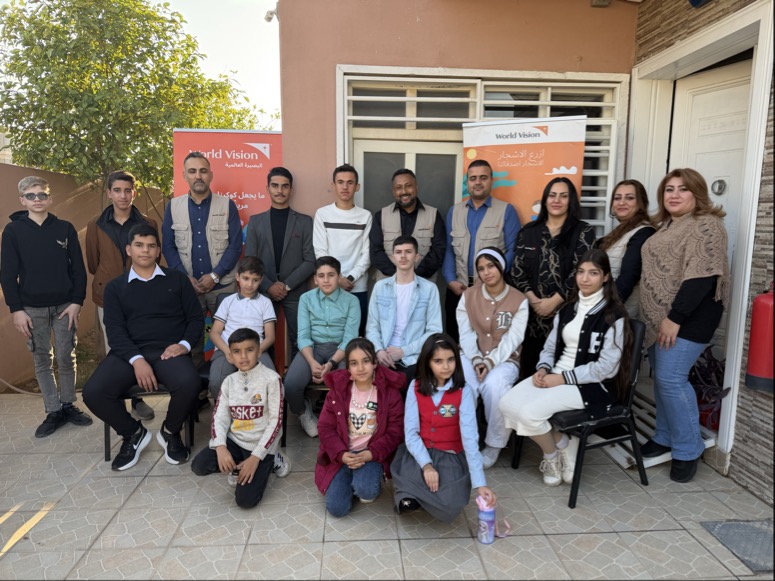
Across Iraq, World Vision is working to ensure that children’s voices are not heard only on special occasions, but that they become a consistent part of shaping decisions that affect their lives. Through regular consultations and the establishment of a Children and Youth Working Group, children and young people are brought together with local authorities and faith leaders to contribute to dialogue and action on climate resilience, peacebuilding, education, and child protection.
The gift of intentional listening
As a father of three, I am reminded daily that truly listening to children requires intention. It means slowing down, paying attention, and taking their concerns seriously. The message from Kirkuk is clear, children are ready to contribute. What they are asking us is simple, yet transformative; to be heard.
While Christmas nears, a season characterised by giving, this message feels especially powerful. Beyond the gifts we wrap and place under the tree, perhaps the most meaningful gift we can offer children is our time and attention. By truly listening, at home, in schools, and in our communities, we affirm that children’s voices matter, and we help create a future shaped not only for them, but with them and by them.
___________________________
Biruk Kebede Beyene is the Country Director for World Vision Iraq, with long-standing experience in senior humanitarian leadership roles across fragile and emergency contexts-Ethiopia, South Sudan, Afghanistan and Iraq . He has led large, multi-sectoral programmes focused on child protection, education, public health, peacebuilding, and resilience, working closely with national authorities, donors, and faith-based partners. His expertise lies in strategic programme leadership, organisational management, and leading humanitarian responses in complex environments.
Subscribe to see more content like this
Related Resources

Innovative Chatbot Supports Parents in Times of Crisis

Measuring the Immeasurable – Insights from Albania
