

Are We Serious About Children’s Justice or Still Comforted by Declarations?
Sanaa Maalouf, Senior Policy Advisor, Justice for Children at World Vision, suggests a sharper lens on what global commitments actually deliver.
1 December 2025.
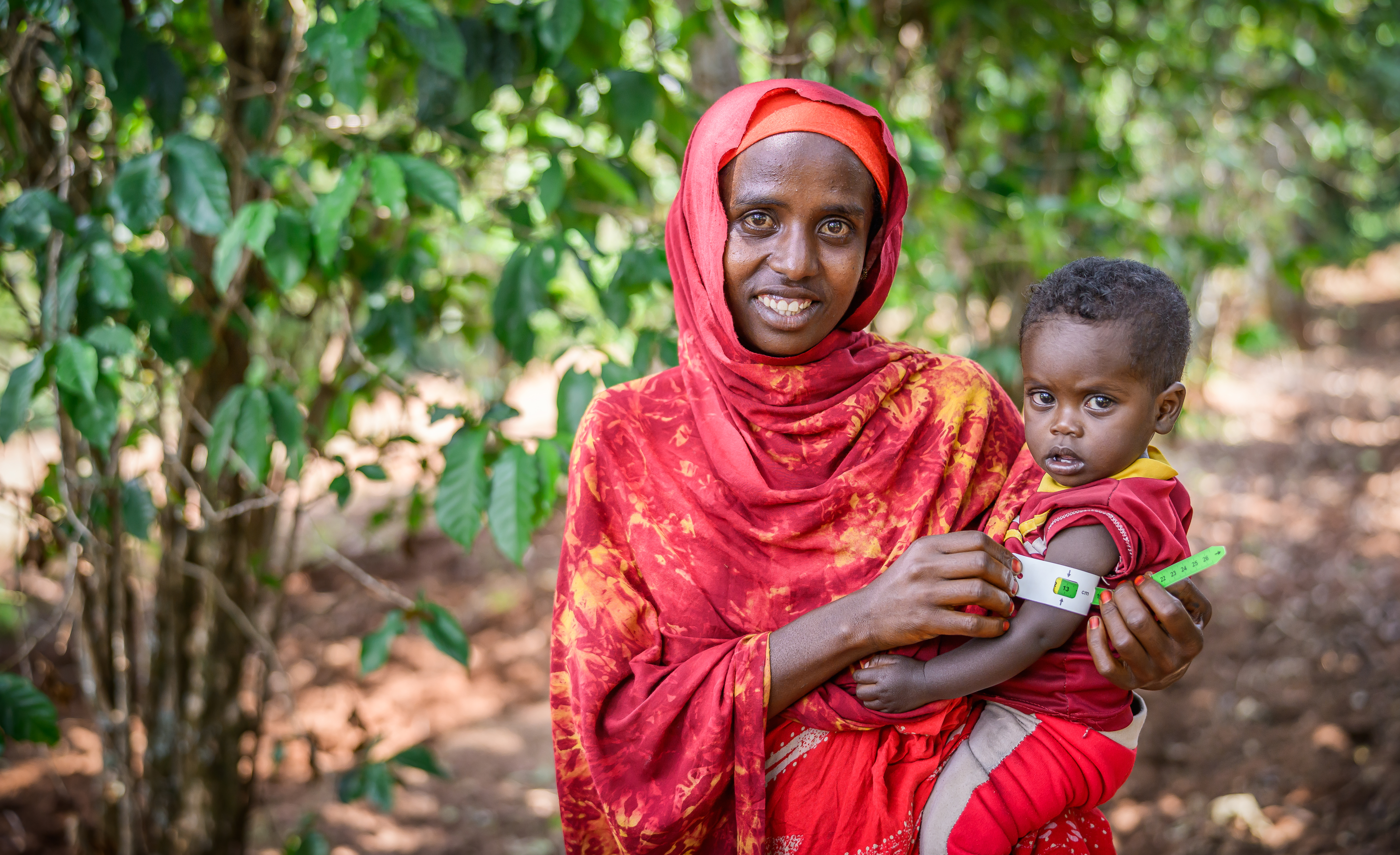
When world leaders descended on Doha for the Second World Summit for Social Development (WSSD2), they heralded a renewed era of social progress. Yet, although the rhetoric felt triumphant, the reality facing millions of children remains brutally stark. New findings from UNICEF’s State of the World’s Children 2025 remind us that more than 417 million children are severely deprived in at least two essential areas of life.
One might contend that these parallel moments, political optimism in Doha and devastating evidence from UNICEF, capture the contradiction defining today’s global agenda. We appear committed, yet nowhere near close to transformational delivery. And this is where the work must begin.
Although the Doha Political Declaration sounds persuasive, the momentum risks evaporating unless governments and partners move beyond intent. The stakes are unsettling. Children never encounter poverty through policy papers; they endure it through hunger and malnourishment, untreated illnesses, unsafe homes and schools, and ambitions quietly abandoned. The evidence is urgent and although it could be said otherwise, complacency at this moment would be profoundly damaging.
The Promise That Still Eludes Delivery
At WSSD2, more than 180 governments and global actors pledged to strengthen social protection and reduce poverty. Central to this commitment was a call for integrated and coordinated approaches across sectors and levels of governance. Arguably, few would disagree. Still, while persuasive, this view overlooks a persistent truth: political declarations rarely guarantee operational systems strong enough to serve children who are most at risk.
The Declaration framed integration as the cornerstone of sustainable service delivery and to a certain extent this holds true. Hunger cannot be detached from health, nor education from protection; child poverty is never a single issue, and children never encounter it in isolation. Yet one might note that central to this argument lies an assumption that governments already have the capacity, data systems, and financing needed to act, although the reality is that many simply do not.
When Evidence Calls for Courage
UNICEF’s latest assessment cuts through the political optimism with uncomfortable precision, revealing the sheer scale and depth of deprivation that children continue to face. It is difficult to maintain the illusion that incremental adjustments will suffice when the evidence so clearly points to structural gaps. Systems require reconstruction, not fine-tuning.
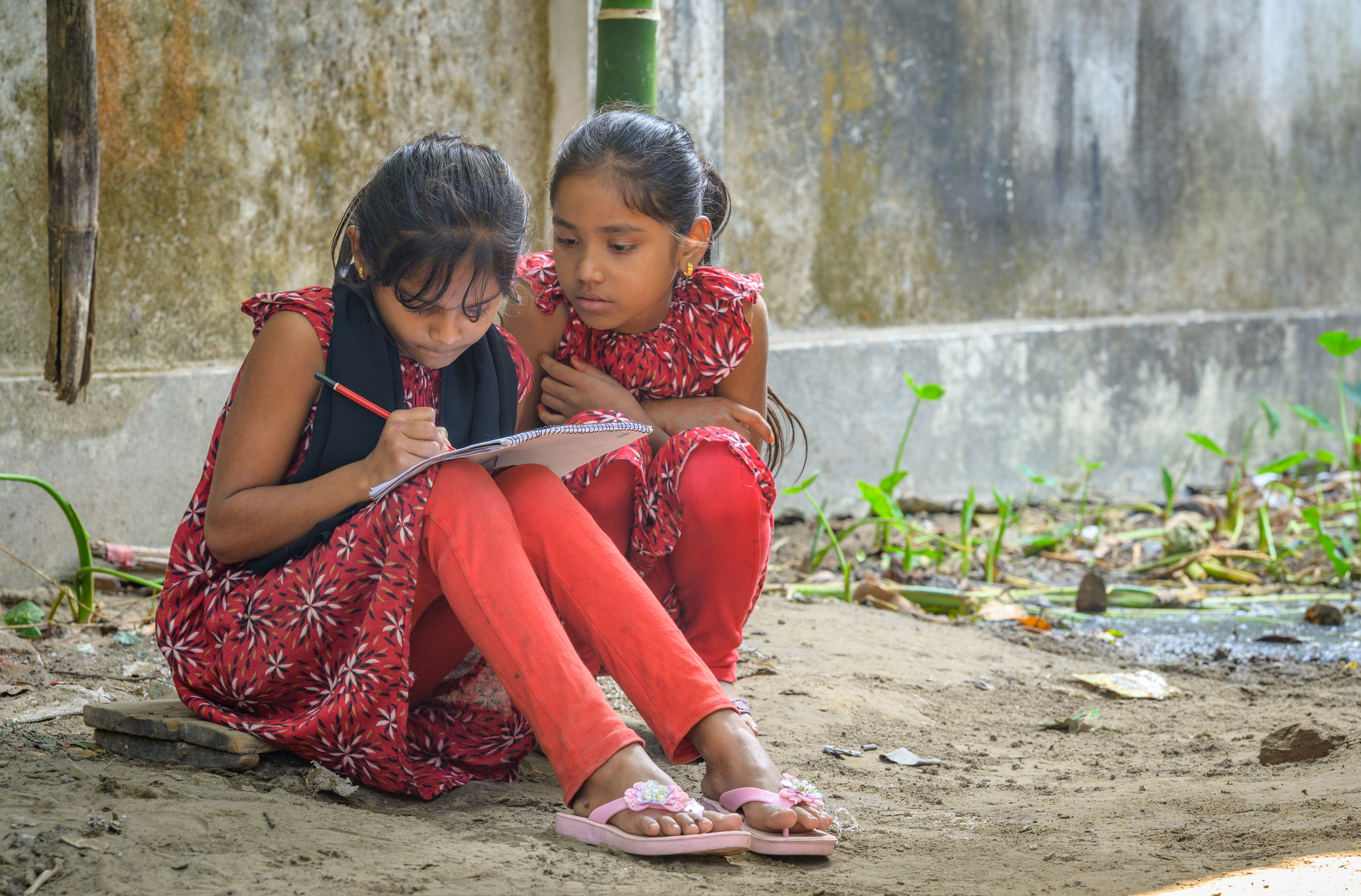
Across the Summit’s Solution Series, delegates emphasised catalytic financing, stronger public sector capacity, and more coherent inter-ministerial coordination. Although these recommendations are sound, their power lies in whether governments treat them as obligations, not aspirations. Behind every data point is a child, a teenager in Ghana navigating school without breakfast, a girl in Lebanon balancing family care with unsafe labour, a young boy in Tanzania unable to access health services because systems fail to speak to each other.
What Global Momentum Means for Children
World Vision’s Policy Analysis and Advocacy Initiative on an Integrated Package of Essential and Accelerator Services aligns precisely with this global shift. Drawing from the Oxford Accelerate Hub and research across Mali, Ghana, Tanzania, Mozambique, Lebanon, Indonesia, and the Philippines, the Initiative proposes integrating services that operate as accelerators, interventions capable of generating multiple outcomes at once.
Yet the lessons emerging from these countries challenge a common assumption. While choosing the right services matters, impact is determined by the enablers political will, predictable financing, digital systems that support targeting and integration, and frontline workers who are trained and supported.
Governments from Rwanda, Egypt, Bangladesh, Brazil, and China demonstrated in the Global Coalition to End Child Poverty’s recent event that real progress happens when multisectoral services are linked, costed, staffed, and governed. Their experiences reinforce the evidence of the Coalition’s report What Works to Reduce Child Poverty? Countries that move fastest are those that integrate services, invest in capacity, and innovate with purpose.
Three Imperatives That Can No Longer Be Deferred
Turning the Doha mandate into meaningful results now hinges on three imperatives that can no longer be deferred:
Integrate: Policies and services must respond comprehensively to the realities of children’s needs
Invest: Predictable financing is not optional.
Innovate: Digital tools, data systems, and coordinated governance can accelerate reach and accountability.
These three strands are not optional; together, they define whether global commitments translate into tangible change for children.
The Doha Declaration gives us a mandate, UNICEF gives us the evidence, and children give us the urgency. What remains is choice. Because when systems finally connect, children don’t merely survive; they flourish and that is the future they have always deserved.
Sanaa Maalouf is Senior Policy Advisor on Justice for Children at World Vision. She brings over 14 years of experience in development and humanitarian policy and advocacy. Previously, she worked with World Vision Lebanon, leading policy analysis and advocacy on key issues. Today, she drives global efforts to advance children’s rights through policy engagement and collaboration with diverse stakeholders. Sanaa holds a Master’s degree in Public Health and is a mother of three, which fuels her passion for child rights and justice.
Subscribe to see more content like this
Related Resources

Why Ending Hunger Begins with How We Choose to Act

Has COP30 Really Brought Us Any Closer to Protecting Children from Climate Breakdown?
