

Bold Hope in a Climate Crisis
Mclarence Mandaza reflects on why climate finance must reach communities directly if it is to protect children from a crisis already unfolding across Southern Africa.
June 4 2026.
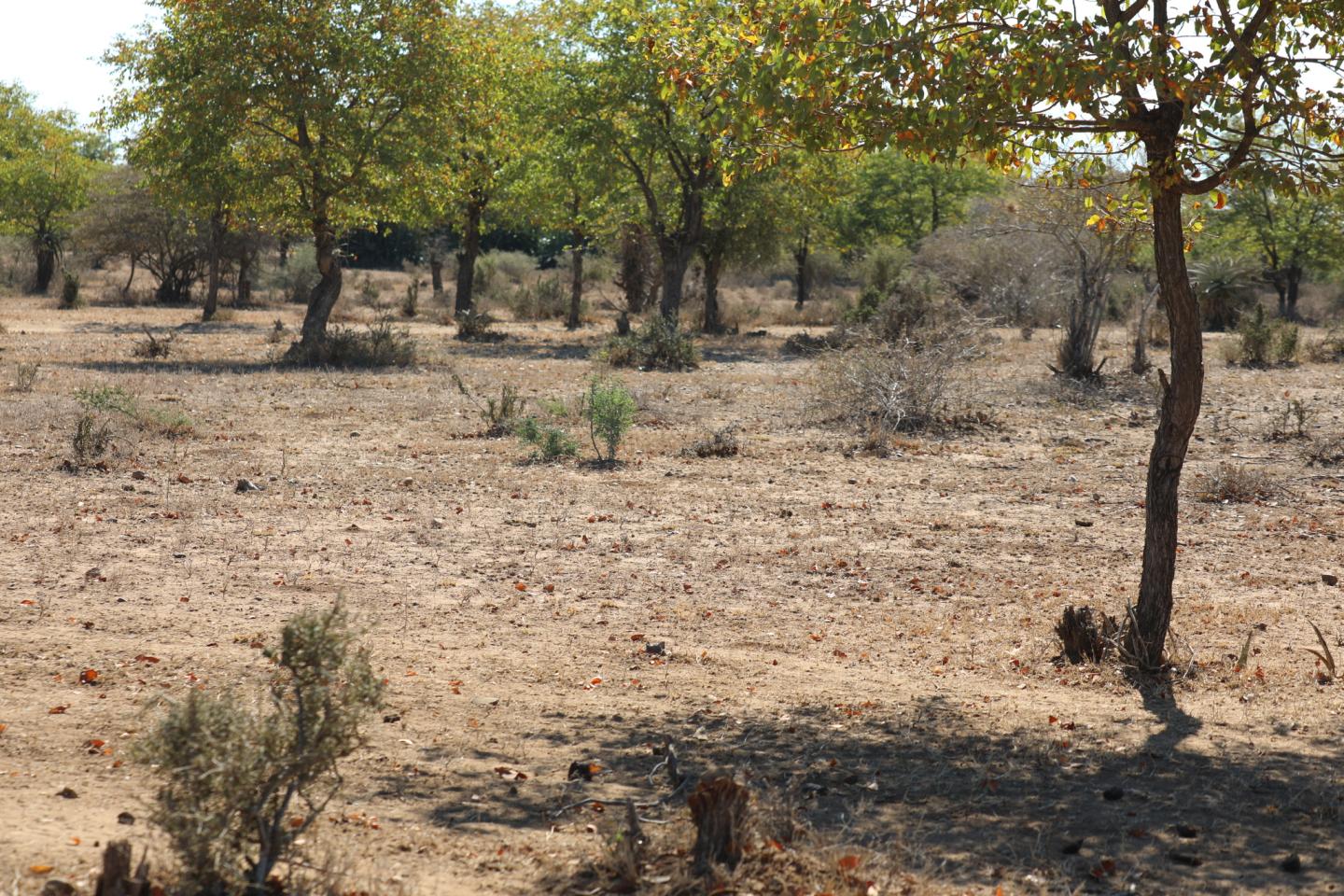
I will never forget one piece of climate evidence I received from a community member. "This land used to be a xitsetso," a community leader told me as we stood under a scorching sun in Covela village, Gaza Province, Mozambique. Using the Changana word for "dense forest", he was describing a landscape that had once been shaded by a thick canopy of trees. Now there was only bare ground cracked, exposed and slowly eroding away.
As government representatives prepare for the Bonn Climate Talks ahead of COP31 in Türkiye, climate finance will once again dominate discussions. More money is undoubtedly needed. Yet after years working across Southern Africa on environment, sustainability, and climate action, I have come to believe that the greatest challenge is not simply how much finance is mobilised. It is whether that finance reaches the communities living with climate impacts today.
Because for the children I meet, climate change is not a future risk. It is a daily reality.
The Forest That Disappeared
I have stood in degraded forests in Mozambique, walked alongside dried riverbeds in Zimbabwe and sat with farmers in Malawi who can no longer predict the rains that once ordered their lives.
In Gaza Province, families gradually settled closer to the Limpopo River in search of water and fertile land. Trees were cleared. Topsoil disappeared. Crop yields declined. With few alternatives available, many turned to charcoal production as a source of income.
Due to the intense heat, our fields no longer yield anything. The children go hungry, many are forced to drop out of school, and we have nothing to give them.
Those words, shared by community member Luís, reveal something we often overlook. Deforestation is not simply an environmental issue. In many places, it is the signature of a survival crisis.
According to Global Forest Watch, Mozambique lost 342,000 hectares of natural forest in 2024 alone, releasing an estimated 126 million tonnes of carbon dioxide. Yet focusing solely on the environmental consequences risks missing the deeper story: communities are often forced to choose between protecting natural resources and meeting immediate needs.
That is why on this World Environmental Day in 2026 and beyond we call for bold climate action.
What Resilience Looks Like
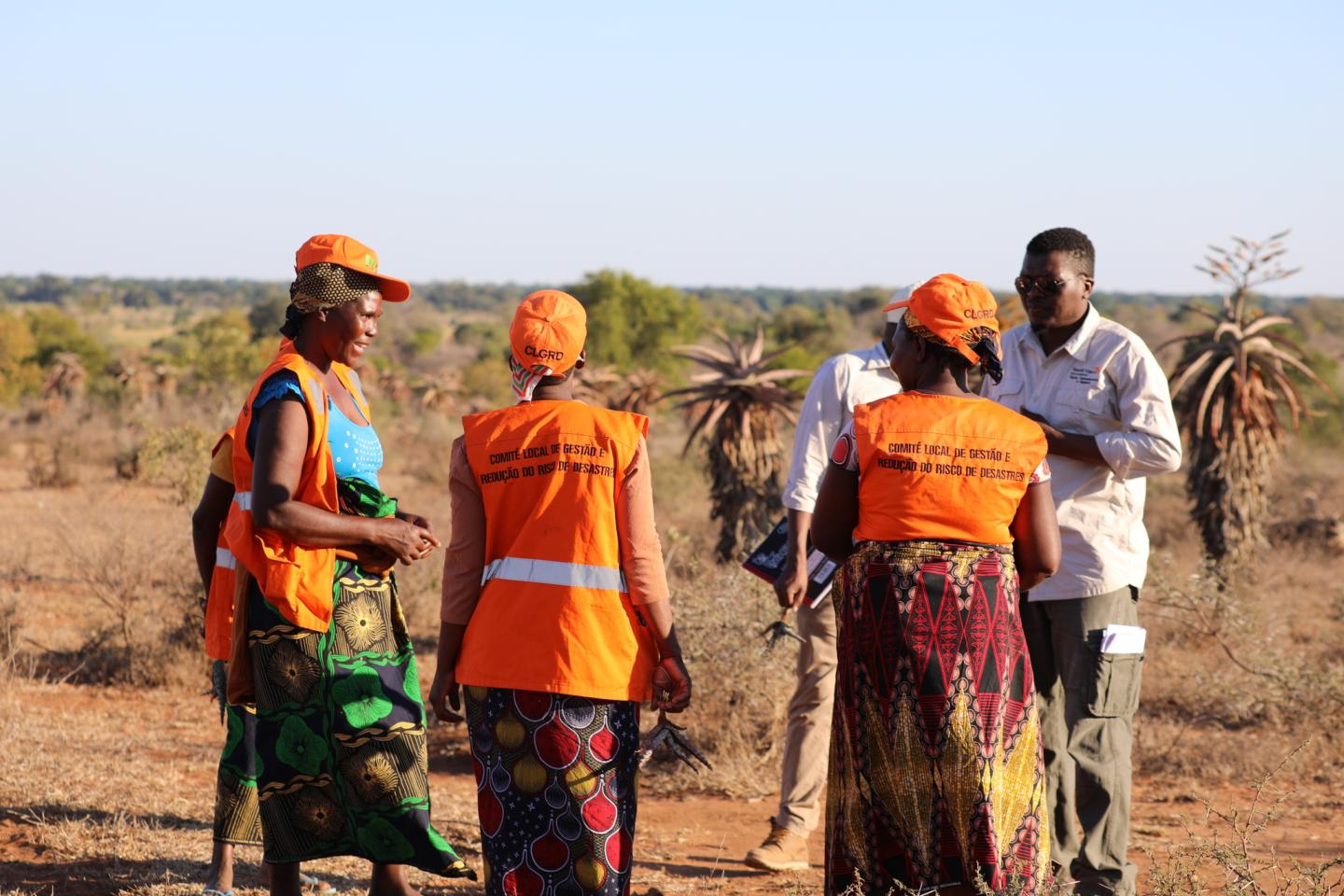
In Covela, another story is emerging. When World Vision introduced Farmer Managed Natural Regeneration (FMNR), communities immediately connected the approach to their own knowledge and traditions. Rather than clearing natural regrowth, farmers began protecting and managing it.
The technique is simple. It requires no expensive technology and minimal external inputs. Yet the results can be transformative. In Malawi alone, World Vision is supporting the restoration of more than 40,000 hectares of degraded land through FMNR. Across Southern Africa, our ambition is to help restore 4.8 million hectares by 2033.
The lesson is straightforward. Communities do not lack solutions. Too often, they lack access to finance that allows those solutions to scale.
The Cost of Arriving Too Late
The current climate finance debate remains heavily focused on mobilisation. Far less attention is paid to speed. This matters because resilience is built before a crisis occurs, not after.
When early warning systems indicated Cyclone Jude would make landfall in Mozambique in 2025, humanitarian partners triggered anticipatory action within minutes. Communities were alerted, supplies were pre-positioned, and risks were reduced before impacts escalated. This is what effective adaptation looks like.
For donors and policymakers facing difficult funding decisions, this is not only a humanitarian imperative. It is a practical one. Investing before a crisis is consistently more effective than responding after livelihoods have been lost and children have already suffered the consequences.
Who Is Climate Finance Really For?
As United Nations Secretary-General António Guterres warned on World Environment Day,
Every fraction of a degree brings greater harm, especially to the most vulnerable.
Across Southern Africa, children are among those most exposed to these risks.
As negotiators move from Bonn to COP31, success should not be measured only by the scale of commitments, but by whether climate finance becomes more accessible, responsive, and accountable to the communities it is meant to serve.
This means investing in anticipatory action, scaling nature-based solutions such as FMNR, and ensuring funding reaches trusted local actors. It also means placing children’s well-being at the centre of adaptation efforts.
I began this reflection in Covela, standing where a forest once stood, and I want to end there. After speaking about what had been lost, the community began to focus on what could be restored, not out of obligation, but because they could see a path forward. The question is whether climate finance will reach communities in time to make that path possible, not only in Covela, but across Southern Africa.
Mclarence Mandaza is World Vision’s Technical Lead for Environment Sustainability and Climate Action. With a strong background in rural development, food security, and climate adaptation, he brings deep expertise in agriculture extension and livelihoods. He holds a PhD in Governance and Regional Integration, focused on climate change adaptation, from the Pan African University Institute for Governance, Humanities and Social Sciences (PAUGHSS).
Subscribe to see more content like this
Related Resources

Can COP30 Deliver a Climate Deal that Protects Children?

Can Carbon Finance Really Heal the Planet or Is There More Beneath the Surface?
