

Building Nutrition Systems Beyond Products
Diane Baik sheds light on why scaling local food-based approaches requires a broader systems approach that strengthens resilience, community ownership and long-term nutrition outcomes.
May 29, 2026.
A quiet but important shift is taking place across the global nutrition sector. As climate shocks, economic fragility and humanitarian financing pressures intensify, governments and aid actors are increasingly recognising that acute malnutrition cannot be addressed sustainably through products alone. Specialised nutritious foods remain essential in many high-risk and humanitarian settings. But the future of nutrition programming will depend on whether systems are able to integrate treatment with stronger local food systems, health services, caregiver support and community resilience.
This matters urgently. An estimated 45 million children under five globally continue to suffer from wasting, the deadliest form of malnutrition. At the same time, countries facing the highest nutrition burdens are being asked to respond with increasingly constrained resources. In this context, local food-based approaches are gaining attention not as replacements for therapeutic foods, but as part of a broader effort to build more sustainable and locally grounded nutrition systems.
Beyond Products
For too long, conversations around acute malnutrition have often focused too narrowly on commodities and supply chains. Yet families do not experience malnutrition through programme categories. They experience it through daily survival: whether food is available, whether markets function, whether caregivers have support and whether local health services can respond before a child’s condition becomes critical.
Across contexts including Bangladesh, Mali, Ethiopia, Côte d’Ivoire, and others, operational learning is beginning to demonstrate the potential of locally adapted food-based approaches that combine caregiver engagement, community participation and locally available foods to support the management of uncomplicated acute malnutrition.
The question should not be framed as “local foods versus specialised foods”. Different contexts require different combinations of approaches depending on market access, seasonality, risk and household realities. The more important challenge is whether systems are flexible enough to adapt accordingly.
What Recovery Really Looks Like
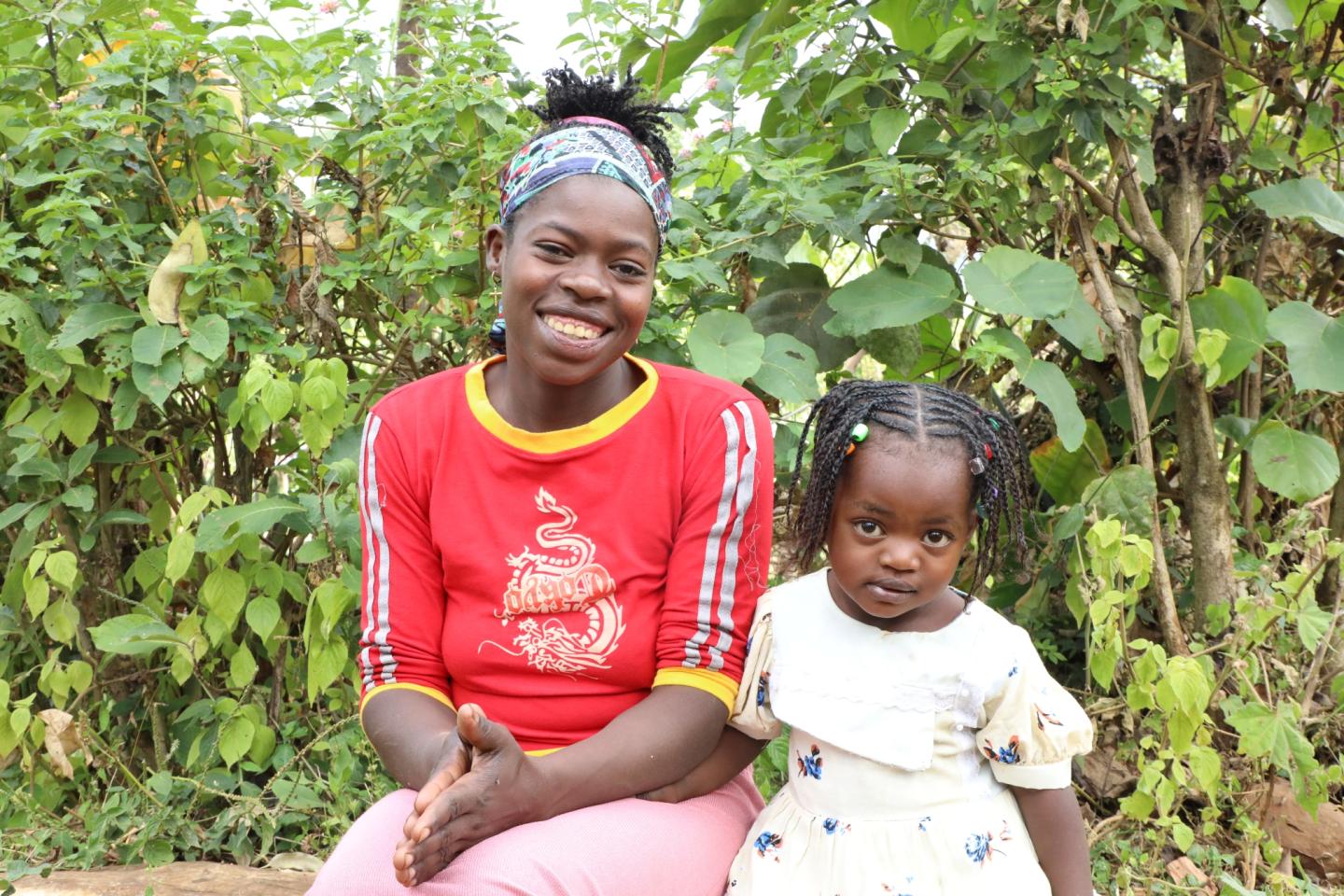
Recently, I read the story of Betelihem, a mother from southern Ethiopia, whose experience reflects the realities behind many of these policy discussions. Betelihem, a 29-year-old mother of four, learned that her daughter, Abiya, was severely acutely malnourished during a Growth Monitoring and Promotion session after months of poor feeding practices and limited dietary diversity. Like many families in her community, she had been doing her best with the little knowledge and resources available to her.
My daughter was weak, swollen and hardly eating. I feared I might lose her. She said.
She enrolled in a Positive Deviance/Hearth programme supported by World Vision (a nutrition rehabilitation programme that promotes the solutions and positive behaviours observed in poor households with healthy children), where she received practical guidance on how to prepare nutritious meals using local nutritious ingredients she was not aware of, as well as improving care and hygiene practices. Through the programme, Betelihem began to change how she fed and cared for her child, learning alongside other mothers in her community. Recovery depended on caregiver knowledge, community support and local health systems working together.
After three months, Abiya had recovered.
My daughter is now healthy, happy and eating well. She said as she recalled her story.
What made this programme work was not a single intervention, but the way it brought together local knowledge, practical support and community engagement. Betelihem’s story reflects a broader truth: sustainable nutrition outcomes depend on systems that empower caregivers, strengthen local capacity and build on the resources families already have.
A Systems Shift, Not a Technical Adjustment
Scaling local food-based approaches is not simply a technical question about introducing alternative foods, products, or recipes. It requires investment in building frontline health worker and volunteer capacity, behaviour change support, food quality assurance, local market systems and community-led implementation.
That kind of work is slower and often less visible than commodity delivery. Yet without it, sustainability remains difficult to achieve.
As Amina J. Mohammed UN Deputy Secretary-General, UN observed:
Climate shocks, conflict, debt, and inequality are widening the cracks in our systems… Too often food systems are seen as part of our challenges, when in fact they can be one of the greatest solutions to deliver for people, planet, peace and prosperity.
Her words arrive at an important moment. Governments and donors are increasingly searching for approaches that not only save lives today but strengthen resilience tomorrow.
Critical Moment for Collective Commitment
This week, as UN agencies, governments, civil society and development partners come together around the Rome Nutrition Week, the moment could not be more important. It offers a shared platform to move beyond parallel commitments and towards genuinely coordinated action on nutrition.
That means moving beyond short-term intervention models alone. Donors, multilaterals and governments should invest not only in emergency nutrition commodities, but also in local implementation capacity, integrated food systems programming and community ownership. Ministries of health, agriculture, social protection, climate, gender, and finance must work more closely together rather than through isolated mandates.
Most importantly, the voices of communities must be at the centre of the fight against malnutrition and in shaping sustainable nutrition solutions.
Diane Baik is the Sr. Technical Advisor for Health and Nutrition at World Vision International, with over 20 years of experience supporting nutrition programming, food-based approaches, and multisectoral nutrition systems strengthening across Africa and Asia.
Subscribe to see more content like this
Related Resources

From Fragmentation to Impact: Strengthening Nutrition Financing for Children

Why School Meals Must Be Treated as Education Policy in the DRC
