

Breaking Bread in a Hungry World
Dana Buzducea, reflects on why hunger, though deeply shaped by conflict, continues to sit lower on the global priority list and what this Good Friday calls us to confront..
April 3, 2026.
As we prepare for Good Friday, I cannot help but pause and reflect on what it calls us to see. It is meant to be a time of quiet contemplation, yet it draws our attention to suffering that is not confined to the past but continues to unfold in our world today. As Pope Leo reminds us:
“It should be the holiest time of the year. It is a time of peace, a time of reflection. But as we all know, again, in the world, in many places we are seeing so much suffering, so many deaths, even innocent children.”
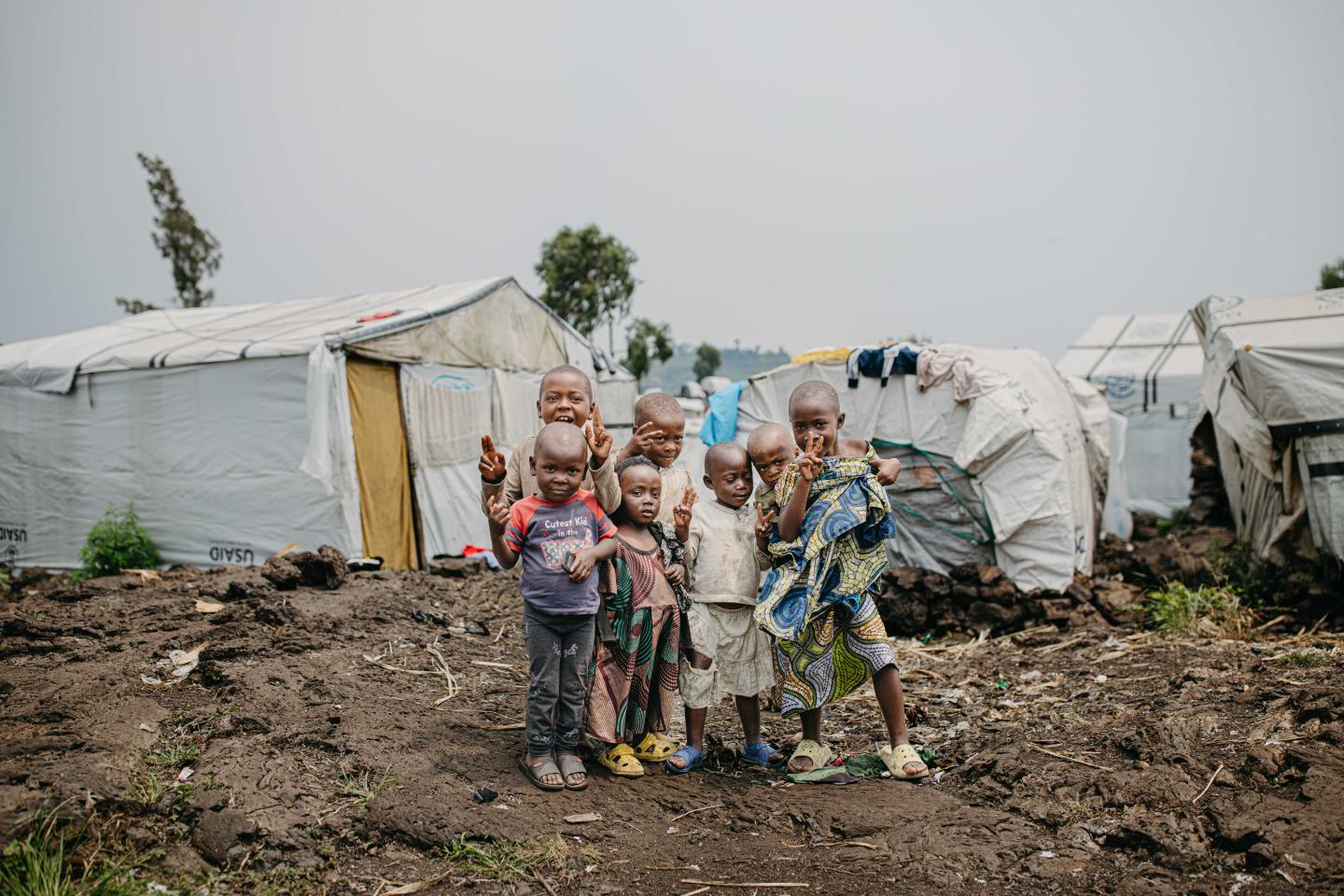
That suffering is not abstract. It is visible in communities where conflict and instability have reshaped daily life and where one of the most immediate consequences is often the least visible: hunger.
Conflict does not only destroy homes and infrastructure. Beneath the disruption, a quieter crisis takes hold. Families lose their ability to produce, access or afford food. Hunger begins to grow, often unnoticed at first, but with lasting consequences. And yet, despite its scale, it rarely commands the same urgency as the events that trigger it.
Hunger: the quieter consequence
Conflict remains the single largest driver of hunger worldwide. Supply chains collapse. Farmers cannot safely cultivate their land. Markets close or become unaffordable. Families lose both income and access to food at the same time.
Some crises carry even wider implications. When key supply chains are disrupted, food prices rise globally, placing additional pressure on already fragile systems. It is the most vulnerable who feel this impact first and most acutely. Today, more than 300 million people are facing acute food insecurity, with conflict and instability among the leading causes. Children bear the heaviest burden. Hunger undermines their growth, weakens their immune systems and erodes their ability to learn and thrive.
Those of us working in humanitarian contexts see this pattern repeatedly. Attention focuses on immediate disruption. Only later does the deeper consequence emerge: communities gradually slipping into food insecurity, often long after the headlines have moved on.
Priorities that speak louder than words
The scale of underfunding becomes more striking when viewed alongside global spending patterns. According to the United Nations Office for the Coordination of Humanitarian Affairs (OCHA) Financial Tracking Service, the world has mobilised approximately US$7.4 billion in humanitarian funding so far in 2026.
Now consider another figure: global military expenditure exceeded US$2.4 trillion last year. This is not a question of legitimacy. Governments have a responsibility to ensure security. But it does raise a deeper question about urgency. Why does hunger affecting hundreds of millions, including children struggle to command comparable attention and investment?
Going to bed hungry
The cross is, at its core, a symbol of presence in suffering. It reminds us that pain, poverty and injustice are not distant realities, but part of the human experience that demands response. And yet, across many parts of the world, children continue to go to bed hungry, not because solutions do not exist, but because priorities remain elsewhere.
Numbers alone rarely capture what hunger feels like for a child.
World Vision’s report, The Unseen Crisis: Childhoods Shaped by Conflict and Poverty in the West Bank, offers a glimpse into that reality. It reveals families quietly adjusting their lives around scarcity. Four out of five families report buying less food than they once could. Many rely on severe coping strategies simply to get through the week. Increasingly, children are skipping meals or going to bed hungry because there is not enough food at home.
Ameer, 16, describes the situation with clarity:
“In our community, many families struggle daily with food shortages and lack of clean water.”
Nersyan, also 16, reflects on what this means in practice:
“I can see every day how difficult economic conditions affect families’ ability to secure basic needs.”
Their words remind us that hunger is not a single event. It is a daily negotiation. A parent deciding who eats first. A child trying to concentrate in school without having eaten. A future gradually constrained by circumstances beyond their control.
A moment for reflection
Humanitarian organisations will continue supporting families, protecting children and responding when crises escalate. But humanitarian action alone cannot address the deeper dynamics that allow hunger to spread quietly in the shadow of conflict.
When local food production collapses and supply chains disappear, humanitarian assistance becomes the only remaining lifeline. And when those resources begin to shrink, families are left facing choices that are, quite simply, heartbreaking or altogether unbearable.
Good Friday does not end with despair. It points towards Easter, towards renewal, restoration and the possibility of change. The empty tomb reminds us that suffering is not the final word.
But hope, in this context, is not passive. It demands response.
It requires recognising hunger not as a secondary issue, but as an urgent signal. It calls for investment in food systems, school feeding and community resilience before families reach breaking point. And it asks those shaping political and financial decisions to align priorities with the scale of human need.
With over 30 years of experience, Dana Buzducea is World Vision International’s Partnership Leader for Advocacy and External Engagement, where she leads global efforts to influence child-sensitive policies, strengthen government and multilateral investments and advance both the Sustainable Development Goals and the Convention on the Rights of the Child.
Subscribe to see more content like this
Related Resources

Easter and the Hope We Are Called to Carry

Faith Communities: An Overlook Part of the Nutrition Systems?
