

From Fragmentation to Impact: Strengthening Nutrition Financing for Children
Dana Buzducea reflects on why integrated nutrition financing is no longer optional, but essential to building systems that work for children.
May 27, 2026.
For millions of children and families, daily life does not unfold in silos. Hunger is just the extreme on the continuous line of poverty. And poor nutrition is the one constant in every impoverished family. In our world of plenty, 1.1 billion people live in acute multidimensional poverty, over half of them are children.
Just like in Pandora’s box myth, poor nutrition flied into our world together with fragile health systems, disrupted food supply chains, climate shocks, interrupted education or insufficient social protection. These pressures converge, reinforce one another and shape outcomes over time. Yet the systems designed to respond still too often operate in parallel rather than together.
This is one of the most persistent and under-recognised constraints in global nutrition.
A powerful investment, constrained by fragmented systems
We know that nutrition is one of the most effective investments available to us. It underpins child survival, cognitive development, educational attainment and long-term economic productivity. When nutrition improves, societies become healthier, more resilient and more equitable. The evidence is well established but the financing structure didn’t adjust to what we know, but to what is the most comfortable.
Funding for nutrition remains dispersed across sectors, institutions and funding streams, often without sufficient coordination or alignment. Health, agriculture, education and social protection systems each carry part of the responsibility, but rarely function as a coherent whole. The result is not only inefficiency, but lost impact at scale.
Recent analysis, including World Vision’s ODA at the Crossroads, highlights a troubling trend: child-related investments are declining even as needs intensify. At the same time, conflict, displacement and climate shocks are placing increasing strain on already fragile systems. This is not simply about mobilising more resources. It is about ensuring that resources work together.
How fragmentation is experienced in practice
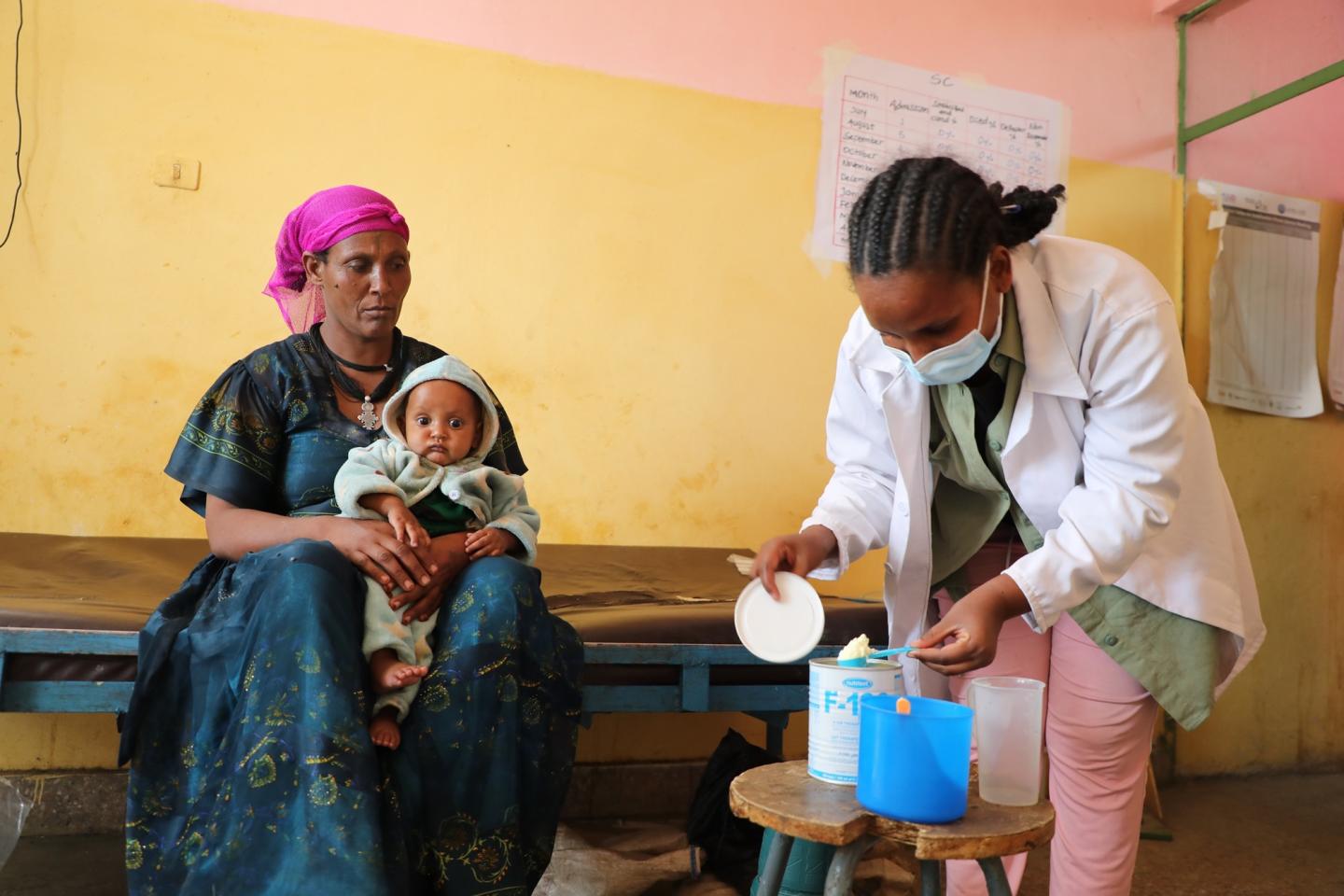
Recently, I read the story of Gember, a mother from northern Ethiopia, whose experience reflects the realities many of the policy discussions in Rome this week aim to address. Gember walked for three hours carrying her eight-month-old daughter, Lemlem, who was severely unwell.
“I had almost lost hope. I thought I was going to lose my baby,” she said.
What changed the trajectory for Gember and Lemlem was not one intervention, but the way multiple parts of the system came together.
At Selewa Health Centre, clinical teams provided urgent treatment for severe acute malnutrition. Alongside clinical care, support extended beyond the child to the caregiver. Gember received food assistance during her daughter’s treatment, enabling her to remain present throughout the recovery process. This continuity mattered. It allowed treatment to be sustained, monitored and completed without interruption.
Over two weeks, coordinated care across health services, nutrition support and humanitarian assistance enabled steady improvement. Lemlem regained strength, began eating again and gradually returned to health.
“The support gave life to my daughter,” Gember reflected.
Her experience illustrates a wider truth: when systems connect around families, recovery is not only possible, it is accelerated.
Moving beyond parallel systems
There is growing recognition that nutrition cannot be addressed through isolated interventions. Discussions at Rome Nutrition Week reflect a shift in focus from how much is spent, to how effectively financing is aligned and delivered.
As Wellington Dias, Co‑Chair of the Global Alliance Against Hunger and Poverty, notes:
“Nutrition is not an isolated intervention. It requires coordinated national programs across multiple sectors.”
This shift is gaining traction, not least through global efforts to align actors more intentionally. The Global Alliance Against Hunger and Poverty (GAAHP) is working to bring together governments, the private sector, multilateral institutions and humanitarian organisations around a shared objective: reducing hunger through coordinated, system-wide approaches. By promoting aligned financing, shared accountability and stronger national systems, the Alliance reflects an important recognition that fragmented responses cannot deliver lasting change.
Encouragingly, countries such as Brazil, Ethiopia, Pakistan and Zambia are already demonstrating what more integrated approaches can achieve. Their experiences point to a consistent set of priorities: stronger national coordination, improved budget tracking, better nutrition data and financing aligned with national strategies. Progress, in these contexts, is shaped as much by political leadership and collaboration as by funding levels alone.
A moment to align ambition with action
Rome Nutrition Week offers a timely opportunity to move from acknowledgement to alignment. The importance of nutrition to broader development is well established. What this moment requires is a more deliberate effort to ensure financing approaches reflect that reality.
It creates space not only to consider investment levels, but to shape a more coherent agenda, one that strengthens national systems, improves coordination and connects financing across sectors. If seized, this moment can help shift the focus from fragmented efforts to integrated approaches that deliver more consistent results.#
Because ultimately, integrated nutrition financing is not only about how resources are allocated. It is about the built-in flexibility to allow those resources to work together in ways that enable children to grow, learn and thrive. It’s about putting the children’s best interest at the centre when multi-sector solutions are being discussed.
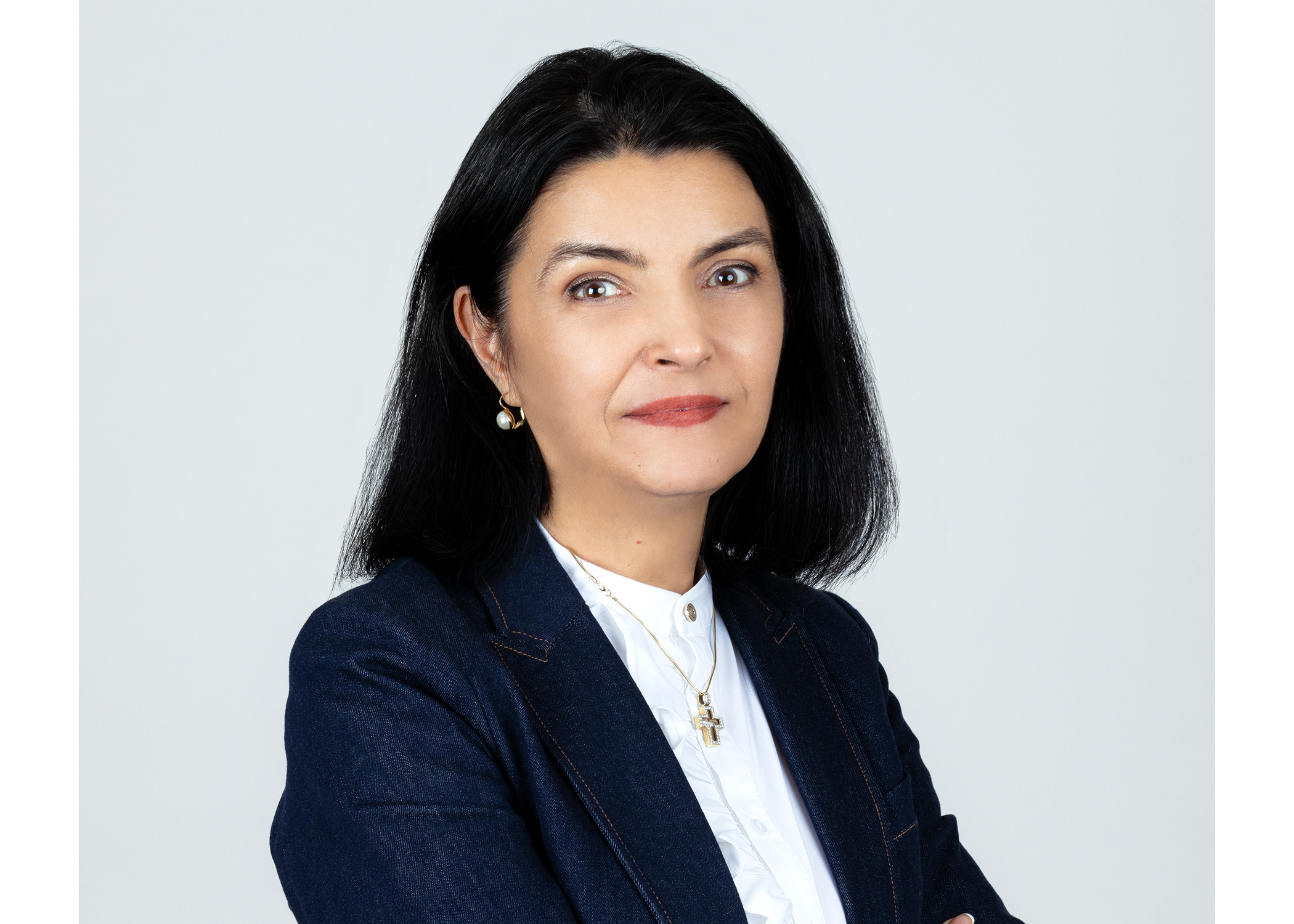
With over 30 years of experience, Dana Buzducea is World Vision International’s Partnership Leader for Advocacy and External Engagement, where she leads global efforts to influence child-sensitive policies, strengthen government and multilateral investments and advance both the Sustainable Development Goals and the Convention on the Rights of the Child.
Subscribe to see more content like this
Related Resources

Breaking Bread in a Hungry World

What the hunger stats for Sudan don’t tell you about food.
