

At a Critical Moment for Children, Are We Retreating on Education?
As we mark the International Day of Education under the theme “The power of youth in co-creating education” we are invited to reflect not only on the scale of today’s education challenges, but on the choices before us as partners, donors and advocates. Across the world, education systems are under strain not because we lack evidence of what works, but because education is too often treated as optional rather than essential. At a moment when education should be accelerating opportunity, stability, and peace, it risks slipping down the list of global priorities.
Today, an estimated 272 million children and young people are out of school. In the poorest countries, more than one in three children are excluded from classrooms, compared with just 3% in the richest. Nearly three-quarters of out-of-school children live in Central and Southern Asia and sub-Saharan Africa. These figures are repeated year after year, and familiarity risks breeding complacency. Yet behind every statistic is a child whose future hangs in the balance and whose learning should be joyful, meaningful, and affirming of their dignity. In crisis-affected contexts, education is not only developmental it is lifesaving, protective and transformative.
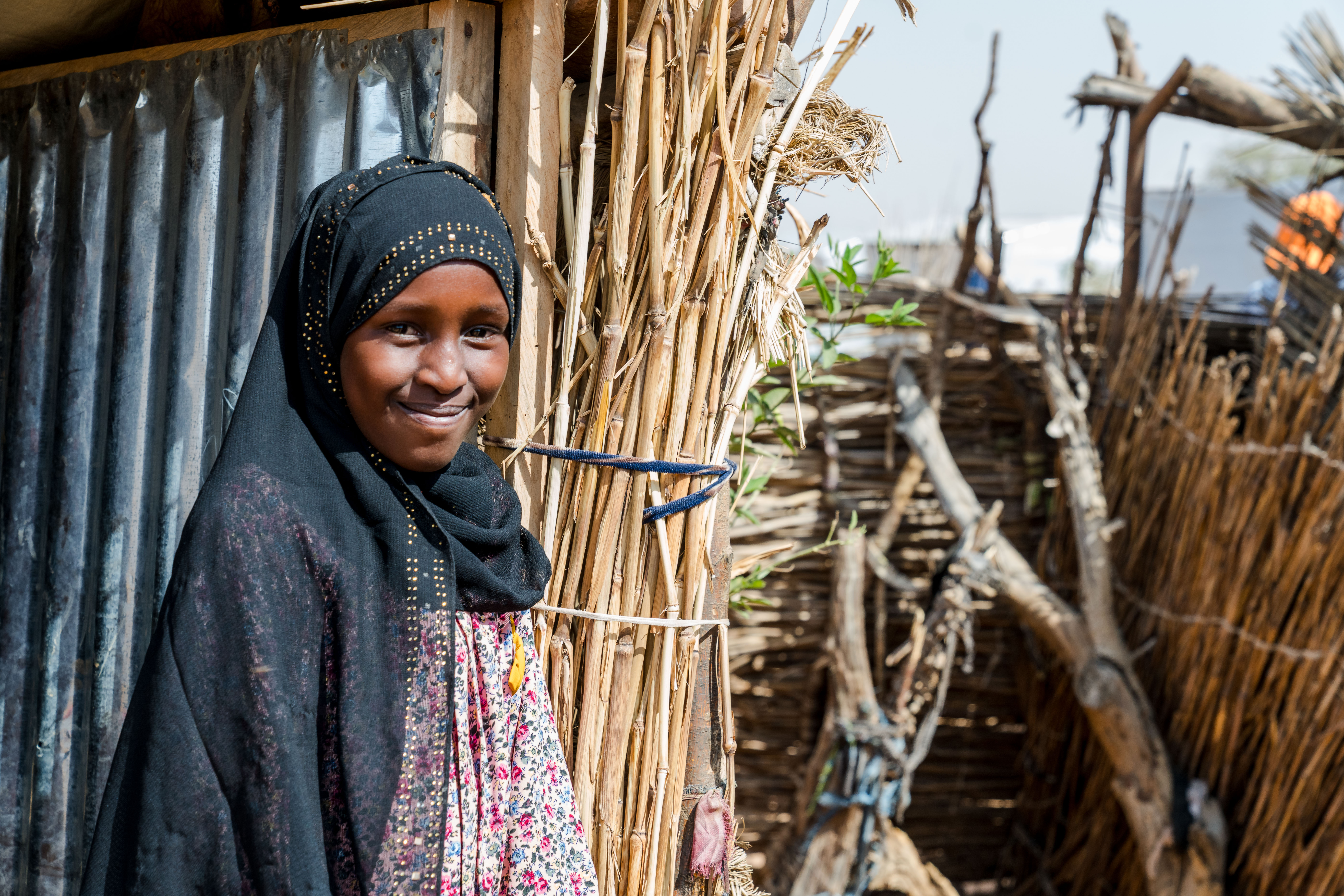
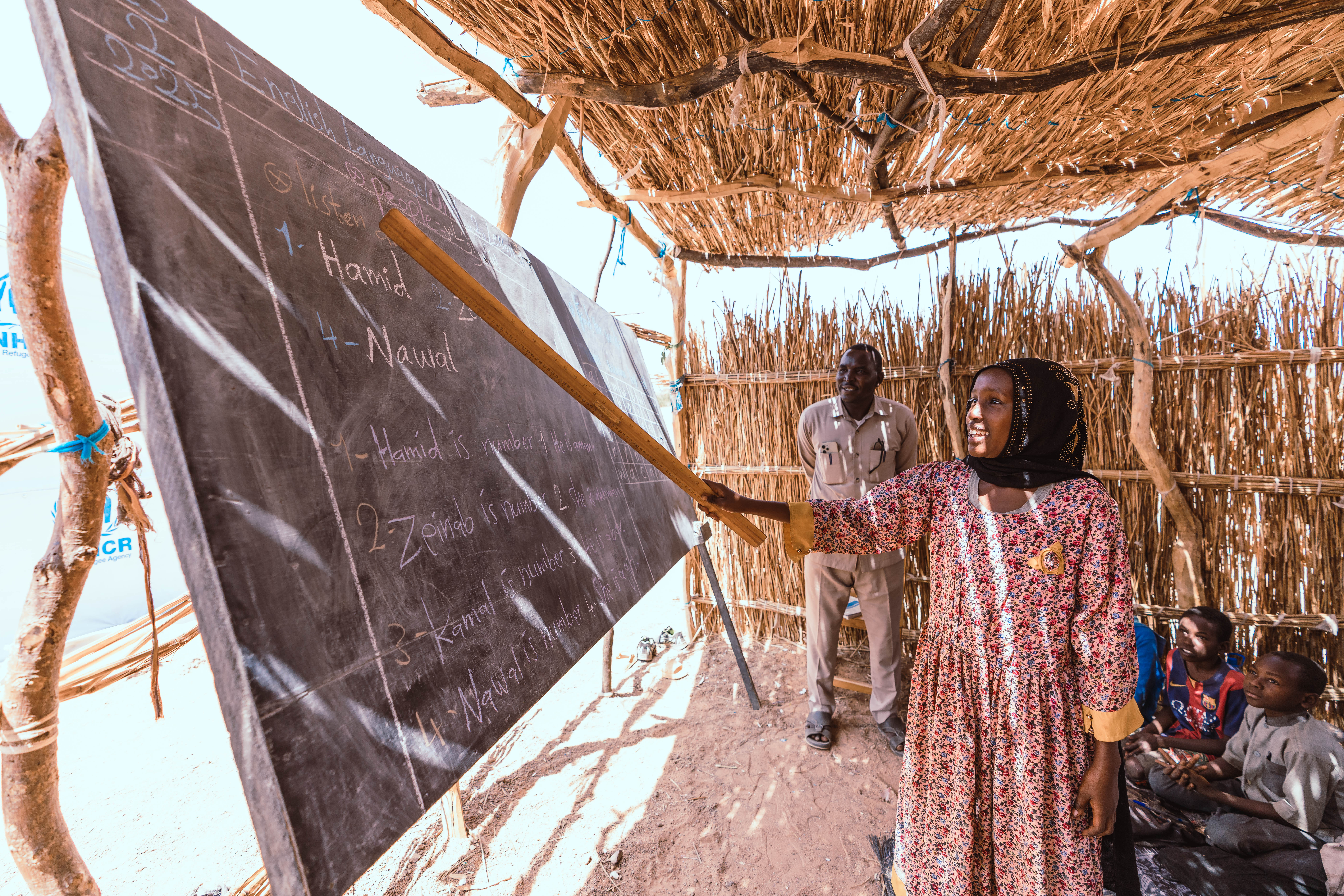
Saba’s story brings this reality into sharp focus. At 14, Saba lives in Farchana Refugee Camp in eastern Chad, having fled brutal violence in Sudan. She loves learning languages especially Arabic, English and French because she believes language creates understanding and connection. “When we talk directly, we can help and can really understand each other,” she explains. Her experience is shaped by crisis, but the lesson is universal: education systems must be built to serve children with the greatest barriers so that poverty, displacement or crisis do not determine who gets to learn.
Financing education: risk and opportunity
What makes this moment especially critical is not only stagnation, but the risk of retreat at precisely the time when education has the greatest potential to multiply opportunity, stability and hope. Official Development Assistance for education is projected to fall by US$3.2 billion by 2026. This decline could push an additional six million children out of school this year.
At the same time, there are encouraging signs. Many countries are increasing domestic investment in education, even amid fiscal constraints, reflecting growing recognition that education is central to national development. This progress matters. It reflects political choice and national leadership, and it must be protected.
International financing plays a vital complementary role. The Global Partnership for Education (GPE) is helping translate investment into more equitable learning outcomes, particularly for children furthest from opportunity.
For Saba, the consequences of underfunding and conflict were immediate and profound. When violence engulfed her home in El Geneina, Sudan, schooling stopped overnight. While Saba’s context is shaped by displacement, the lesson applies far beyond humanitarian settings: flexible, inclusive and well-financed education systems enable learning for children facing poverty, displacement or exclusion.
Young people as partners in change
This year’s International Day of Education theme affirms another critical truth: young people are not simply beneficiaries of education systems; they are co-creators of them. When young people are meaningfully engaged, education becomes more relevant, resilient, and responsive to real-world challenges.
Through programmes such as Impact+, adolescents co-design service-learning initiatives that address real community challenges, building confidence, social cohesion and leadership. Through Youth Ready, marginalised young adults are supported to transition into work and civic life. These approaches recognise a simple truth: systems designed without young people rarely work for them. Systems designed with them are more relevant, resilient and enduring.
At World Vision, our approach centres children, families, and schools working in partnership with governments, donors, and local actors so that all children and adolescents can learn and thrive—especially those most at risk of being left behind.
Education multiplies hope
At a time of overlapping global crises, the risk is not only lost learning, but lost belief: in institutions, in systems, and in the future itself. Yet the opportunity remains within reach. Over the next decade, 1.2 billion young people will reach working age in developing countries, followed by another 1.3 billion in the decade after that. How we invest in education today will shape economic stability, social cohesion, and shared prosperity for generations to come.
Domestic education financing must continue to grow and be protected, even when budgets are tight. International partners must remain engaged, aligned behind national priorities, and focused on strengthening education systems that reach the most marginalised.
Education is not a soft option. It is a strategic choice, one that multiplies hope far beyond the classroom and across generations. If we truly believe in the power of education, we must resource it accordingly. Children and young people like Saba are watching. And they will remember who chose to act when it mattered most.
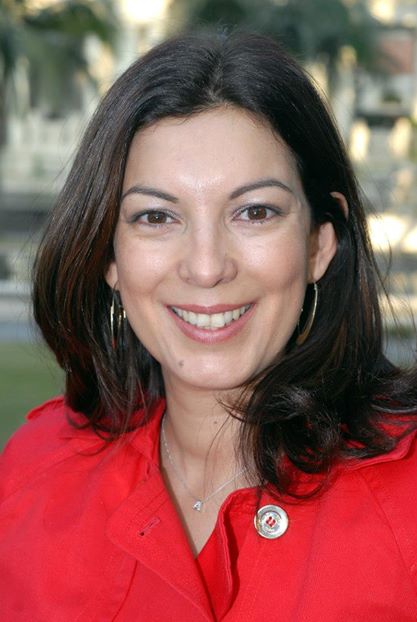
Ana Tenorio is the Global Director for Education at World Vision International. She is an international education expert with over 25 years’ experience supporting education initiatives globally that focus on enabling families, teachers, communities and governments to increase investments and holistic interventions for most vulnerable children’s learning and development.
Subscribe to see more content like this
Related Resources

Are We Serious About Children’s Justice or Still Comforted by Declarations?

From Hunger to Hope: How Children Voices Are Transforming School Meal Programs
