

Holding the Line for Children: Why Shrinking Aid is a Dangerous Choice
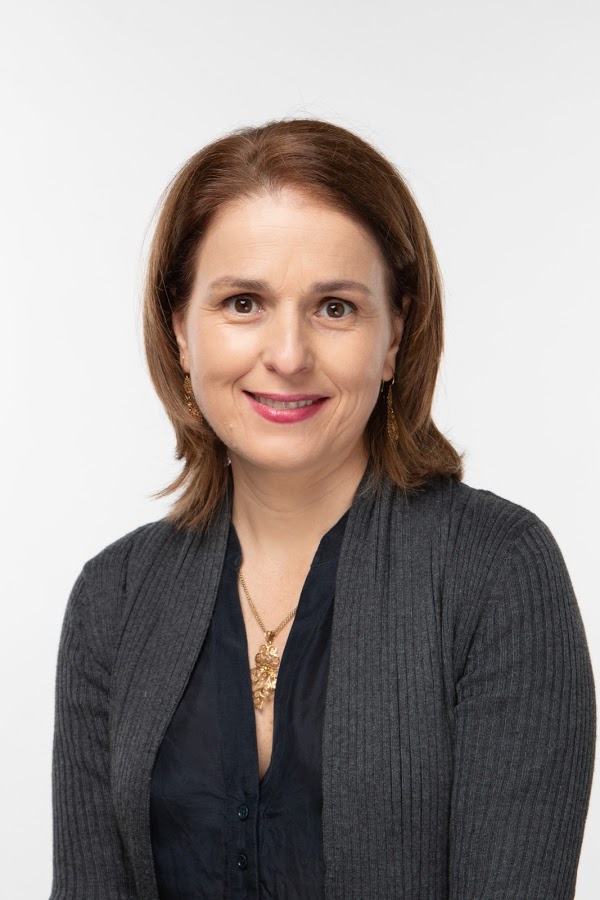
Isabel Gomes highlights how children are paying the highest price for a shrinking aid system. She also sheds light on how cuts to humanitarian funding are forcing impossible choices, who eats, who learns, who survives. Signaling about a system under strain, where children risk being pushed to the margins, she urges that governments, decision-makers, and donors ensure solidarity triumphs over indifference.
I have sat with mothers in crowded displacement camps. These are women whose eyes show the weight of impossible choices no parent should face. I have listened to children who measure time not in school terms, but in failed harvests and missed meals. In those moments, I cannot help but imagine my own child in their place. For these families, the Global Humanitarian Overview (GHO) is not an abstract document. It is the difference between a school that stays open or closes, a feeding centre that serves one more child or turns them away.
When Needs Surge and Appeals Shrink: A Dangerous Gap
The GHO 2026, launched on 8 December 2025, is a sobering reminder that families, girls and boys, are being asked to bear the cost of a shrinking aid system. It estimates that 239 million people will need humanitarian assistance and protection in 2026, yet current plans target only 135 million of them, with an even smaller group of 87 million identified as those whose lives are most immediately at risk. To reach this “priority” caseload, the system is asking for US$23 billion within a wider appeal of US$33 billion. This is a deliberately hyper-prioritised, narrower appeal than in 2025, driven not by any real improvement in needs but by a funding crisis that left last year’s GHO a little over one-quarter financed, the lowest level in a decade, and forced agencies, including World Vision, to cut programmes and turn away tens of millions of people who still needed help.
Shrinking humanitarian budgets force agencies to make choices no one should ever have to make: which community receives food, which school stays open, which child is protected, and which one is left at risk. A smaller appeal does not mean fewer people in crisis. Conflicts rage on. Climate shocks intensify. Families still lack sufficient food. Behind every reduced figure is a family whose prospects for survival have become more fragile.
Children Are Being Pushed to the Margins: We Must Act
World Vision’s deepest concern is that child-focused priorities—and the building blocks for thriving, are being pushed to the margins of humanitarian planning and funding at a time when they should be at its centre. With the significant funding cuts in the beginning of 2025, GHO figures show that, as of 10 December 2025, sectors such as education (only 21.8% covered) and child protection (only 17.1% covered) are still chronically underfunded. Safe spaces have closed. Caseworkers have been laid off. School feeding programmes have halted. These are not ‘nice-to-have’ extras; they are critical protections that safeguard children from violence, exploitation, and lifelong harm.
Faith in Action: Standing Where It’s Hardest to Be a Child
We must keep children visible in every plan, safeguard and grow child-focused funding even in tight budgets, and give children and young people a real voice in shaping responses, not just treat them as recipients of aid.
For World Vision, being relentlessly child-focused is an expression of our faith. We are compelled to stand where Jesus would stand—alongside those who are most vulnerable, in the places where it is hardest to be a child. In FY25, we reached 35.6 million people, including 18.6 million children, through 104 responses in 70 countries. Eighty-five percent of our food assistance was delivered in fragile contexts, standing where needs are greatest and where faith calls us to serve.
From Competition to Complementarity: Building a Better System
The humanitarian system of tomorrow must be locally led and globally supported—trusted, inclusive, agile, and ethical. This vision will only be realised if we move from competition to complementarity, with local and national actors, including churches, faith-based groups, women- and youth-led organisations, and NGOs like World Vision, working together to bring community trust, mobilise diverse funding, provide surge and technical support, and lift local voices into global conversations.
A Call to Action for Governments and Decision Makers
The GHO 2026 makes clear that we are trying to respond to rising needs with significantly fewer resources. It leans heavily into doing the things we know work and doing some things differently: calling for more predictable, flexible, and multi-year financing; shifting more power and resources to local responders; and strengthening complementarity with development and peace investments so that humanitarian funding can both save lives now and shore up the systems that should protect.
The answer must not be to push frontline staff into ever more precarious and potentially dangerous situations. That is why we call on governments, decision-makers, and donors to:
- Safeguard and, where possible, increase humanitarian budgets, recognising aid as a strategic investment in global stability, not a discretionary cost.
- Prioritise predictable, flexible, multi-year funding that allows responders to plan, adapt, and stay the course.
- Build a plural and complementary funding ecosystem: NGO-led funds, UN-managed country-based pooled funds, regional and thematic mechanisms, and direct partnerships with local actors all have a role. What matters is that funding reaches the best-placed actors as quickly, directly, effectively, and accountably as possible.
- Prioritise child-focused programming along with anticipatory action, resilience, and self-reliance to move beyond crisis response to a long-term solution.
Children at the Heart: Choosing Solidarity Over Indifference
Humanitarian action faces twin crises: resources and trust. While public narratives question whether aid works, political narratives question whether it is worth it. The evidence is clear: when we act, lives are saved; when we retreat, futures are lost.
World Vision stands with children and communities on the frontlines, partnering with churches and local leaders, investing in local capacity, using digital tools responsibly to strengthen accountability, and bearing witness when suffering is ignored. We invite governments, donors, UN agencies, NGOs, the private sector, and people of goodwill everywhere to join us. If, in response to GHO 2026, we choose complementarity over competition, long-term vision over short-term savings, and solidarity over indifference, the story we tell a year from now can be different.
Every child is born with equal worth in the image of God. The question is whether we will act on what we believe. If solidarity triumphs over indifference, next year’s story can be one of hope.
About the author:
Isabel Gomes oversees the organisation’s humanitarian responses, with a focus on decreasing the vulnerability of millions of children before, during and after disasters. Currently based in Geneva, Switzerland, Isabel’s experience spans 25 years in the humanitarian sector, with recent experience in global donor engagement, resource development, strategy, operations and policy.
After beginning her career working with demobilised soldiers in Angola, Isabel worked in a variety of roles responding to humanitarian crises across 15 countries and some of the world’s most challenging contexts, including East Timor, Liberia, Sudan, Pakistan, Indonesia and Mozambique.