

Housing the World Starts with Children
Aline Rahbany reflects on why the future of cities depends on placing children's wellbeing at the heart of housing, liveability and urban policy.
June 2, 2026.
As governments, development banks and city leaders prepare for the next phase of the New Urban Agenda, one question deserves far greater attention: if cities are being built for people, why are children still treated as an afterthought?
Housing shortages, climate pressures and rapid urbanisation dominate policy discussions. Yet the true test of whether a city is working may be much simpler. Is it a place where a child can grow up safe, healthy and hopeful
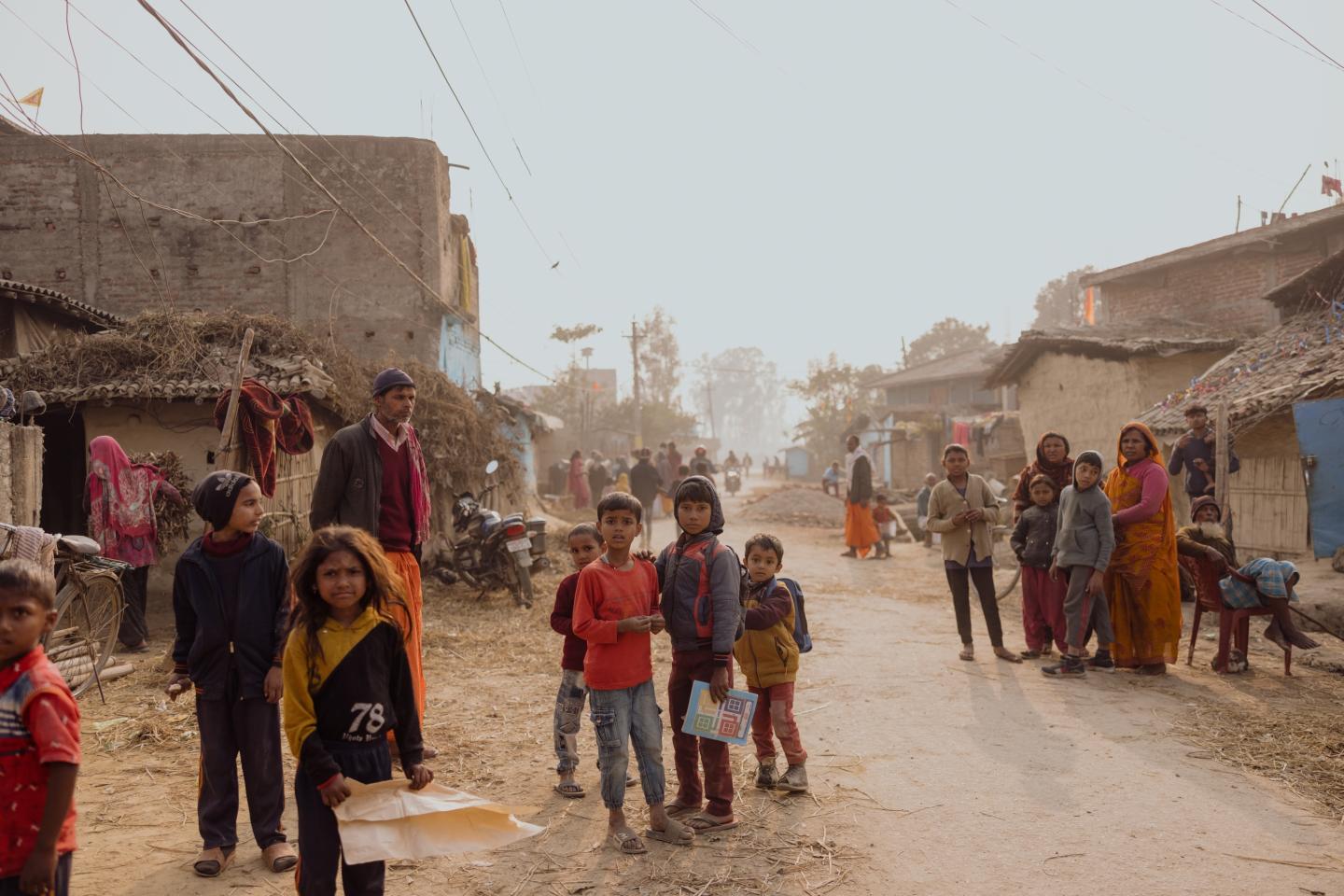
That question feels particularly urgent today. More than half of the world's population already lives in urban areas and the United Nations projects that nearly 70% will do so by 2050. At the same time, over one billion people - including close to 500 million children - continue to live in informal settlements and inadequate housing. For children, the consequences shape everything from health and learning to safety and future opportunity.
The global conversation about cities is evolving. The challenge now is ensuring that children's well-being is not viewed as a desirable outcome of urban development but as one of its primary measures of success.
A housing crisis or a childhood crisis
At the recent World Urban Forum in Baku, one message surfaced repeatedly from children and young people themselves. Cities cannot succeed by focusing only on buildings and infrastructure. They succeed when they strengthen the ecosystems around children: families, schools, public spaces, services, and communities.
As UN-Habitat Executive Director Anacláudia Rossbach observed:
Problems with access to housing are limiting young people's opportunities in education, employment, and building their future.
She is right. But the implications go further.
When housing is inadequate, children struggle to learn. When neighbourhoods are unsafe, they lose freedom of movement. When basic services are absent, their health and well-being suffer. Housing is not simply a physical structure. It is the foundation upon which childhood is built.
The child behind the statistics
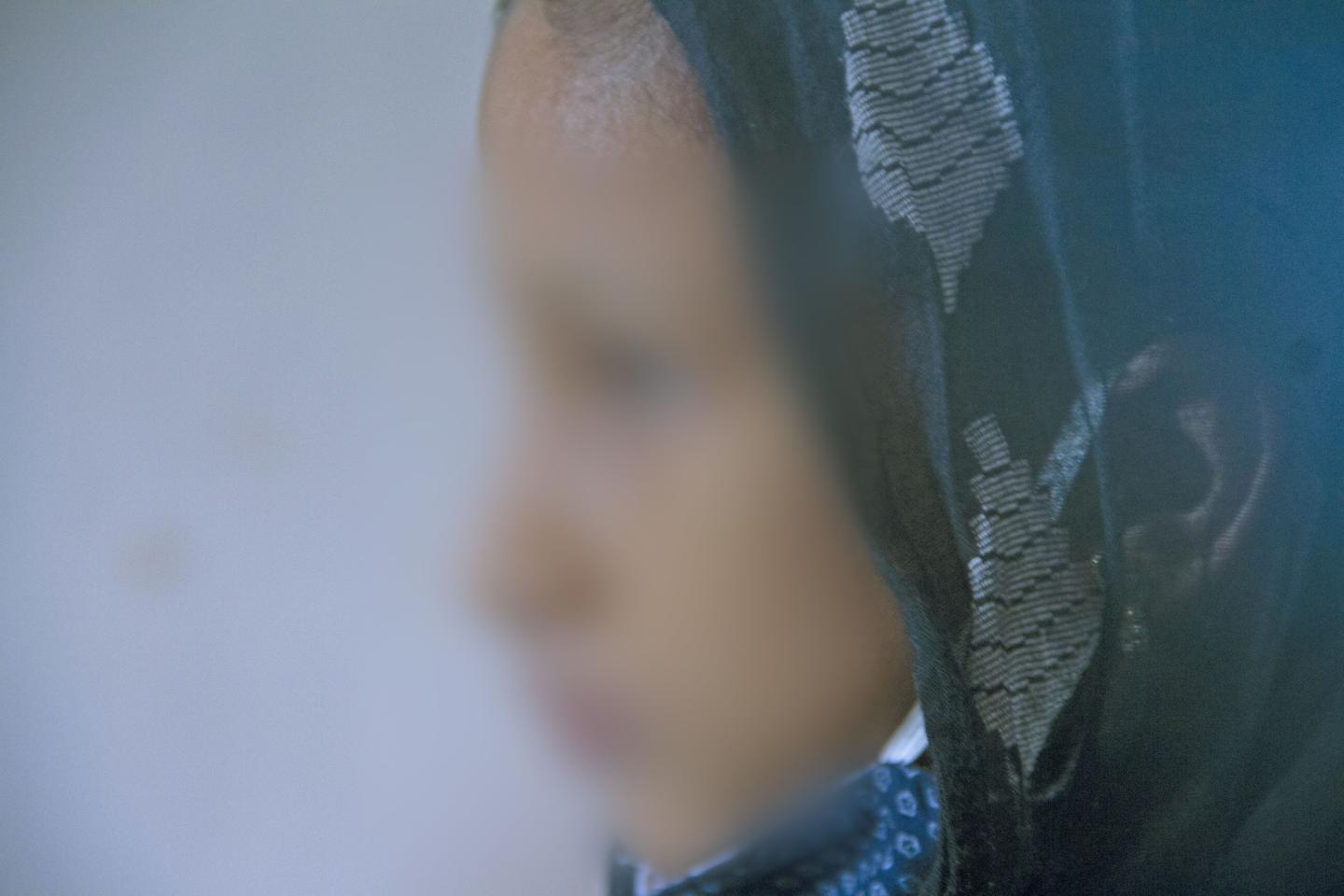
When I think about these challenges, I often think about Sumaiya, a girl living in an informal settlement in Dhaka, Bangladesh. Her family was forced to leave their home after worsening floods made it impossible to sustain their livelihood. Today, she lives in a settlement without adequate sanitation or safe living conditions. To help support her family, she works long hours in a garment factory.
I'm not happy here. This place is not safe for me. I want to go back home," she says.
Her story stays with me because it illustrates something policymakers do not always see. Climate displacement does not end when a family reaches a city. Too often, vulnerability simply changes shape.
In Bangladesh, over 7.1 million people were displaced by climate change in 2022, and projections suggest that up to 18 million could be displaced by 2050 due to rising sea levels and extreme weather events. Increasingly, families arriving in cities encounter overcrowding, insecure housing, and limited opportunities rather than the stability they hoped to find.
Sumaiya's experience is deeply personal. Yet it also reflects a systemic reality affecting millions of urban children around the world.
Beyond buildings
One of the strongest messages emerging from conversations with children and young people in Baku was that liveability cannot be reduced to housing and physical infrastructure alone.
Young people spoke about safe public spaces, trusted relationships, opportunities to connect with peers and schools that remain open beyond teaching hours. Their message was clear: cities work better when they invest not only in places, but in people.
This is something we have seen through our work with adolescents in urban Tanzania through our AHADI (Swahili for promise). Through peer networks, youth mentors, and community support systems, young people gain access to information, services, and opportunities that help them navigate the challenges of urban life. These are not always the investments that attract attention, but they can profoundly shape a young person's sense of safety, belonging, and possibility.
The same principle applies to climate resilience. In dense and underserved urban areas, nature is not a luxury. Green spaces reduce heat, support mental well-being, and help communities cope with climate shocks. Regreening cities is ultimately about creating healthier environments where children can thrive.
A child-centred urban agenda
Perhaps the most encouraging shift in recent years is that children and young people are increasingly shaping conversations about the future of cities. The challenge now is ensuring their participation translates into policy and investment decisions.
As governments, donors, and city leaders implement the next generation of urban strategies, children's well-being should become a core measure of success. Because the question is not simply whether cities can house growing populations. It is whether they can create places where children are safe, connected, healthy, and hopeful.
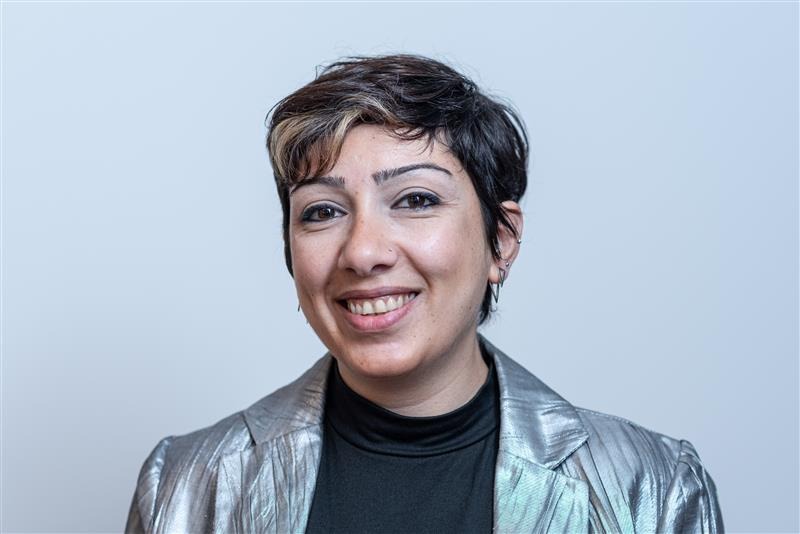
Aline Rahbany is Global Lead for Urban Programming at World Vision International, bringing over 18 years of international development and humanitarian experience. She specialises in advancing programmes and strategies in contexts shaped by rapid urbanisation, forced displacement and migration into cities.
Subscribe to see more content like this
Related Resources

From Fragmentation to Impact: Strengthening Nutrition Financing for Children

Why School Meals Must Be Treated as Education Policy in the DRC
