

Online Violence is Real Violence. Women’s Experiences in Lebanon
Marija Cvejic, Safeguarding and Protection Advisor, says protecting women and girls requires safety across every space they occupy – at home, in communities, and online. Learn how World Vision Lebanon is tackling online abuse against women and protecting safety across all spaces.
9 December 2025
What happens on a screen does not stay on a screen. Digital platforms, once imagined as spaces of connection and empowerment, are increasingly being used to silence, intimidate, and control women.
“As a woman activist working on gender equality and peacebuilding in Lebanon, I have personally faced waves of online hate, aggressive comments, and targeted attacks simply for expressing my opinions.
What begins as digital hostility quickly becomes something deeper, affecting mental well-being, daily functioning, and even feelings of physical safety,”
says Chourouk Kouteich, Gender Equality Disability and Social Inclusion Specialist at World Vision Lebanon.
Her experience reflects global findings showing that technology-facilitated gender-based violence causes anxiety, stress, withdrawal, reputational harm, and persistent fear for personal security.
This is not an isolated experience. Hundreds of millions of women continue to experience violence in every region of the world. While physical and sexual violence remain at the centre of global attention, a growing body of evidence shows that digital spaces are now an expanding frontline of harm.
Expanding threats in a digital world
In Lebanon, this reality is deeply felt. Women have long been at the forefront of civic engagement, media, activism, and social change. Yet against the backdrop of the COVID-19 pandemic, prolonged political instability, and economic collapse, digital violence against women has sharply increased. An Exploration of Digital Violence Against Women in Lebanon (2023) study found that online harassment, intimidation, and threats have become widespread and normalised, particularly for women who express opinions publicly or engage in social and political life. Alarmingly, many digital attacks escalate into real-world harm.
Despite the severity of this violence, reporting remains extremely rare. Survivors often resort to blocking perpetrators, leaving online spaces, or self-censoring. Fear of retaliation, social stigma, weak legal frameworks, and mistrust in reporting mechanisms continue to prevent women from seeking justice. For many, silence becomes the only perceived form of protection.
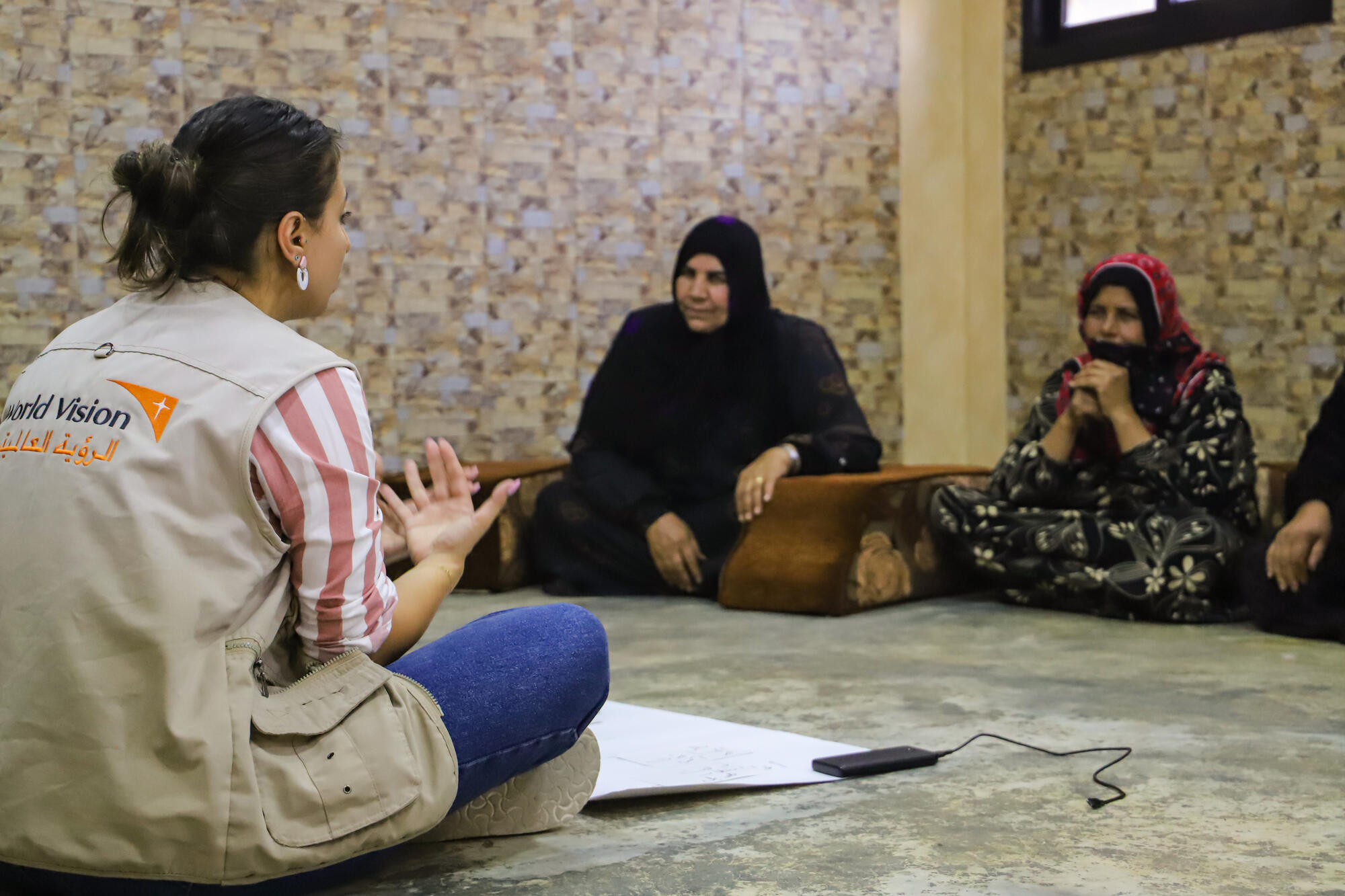
For refugee women in Lebanon, the risks are even more acute. Limited legal status, fear of immigration consequences, economic vulnerability, and social stigma often make reporting impossible. As a result, perpetrators remain unchallenged while survivors remain unsupported.
Creating safety across all spaces
World Vision Lebanon and World Vision Middle East & Eastern Europe continue to strengthen integrated programming that addresses both online and offline forms of violence. Our approach recognises a fundamental truth: digital violence is real violence. Protecting women and girls requires safety across every space they occupy – at home, in communities, and online.
World Vision focuses on:
- Strengthening child protection and safeguarding systems, including digital safety messaging and community-based prevention.
- Empowering adolescents and caregivers with the skills to navigate online risks, identify harmful behaviours, and seek support safely.
- Partnering with local civil society organisations and community networks to ensure survivors receive psychosocial and case-management support.
- Using technology for good, including initiatives like the Parenting in Crisis Chatbot, which provides accessible prevention and response information to hard-to-reach caregivers through digital platforms.
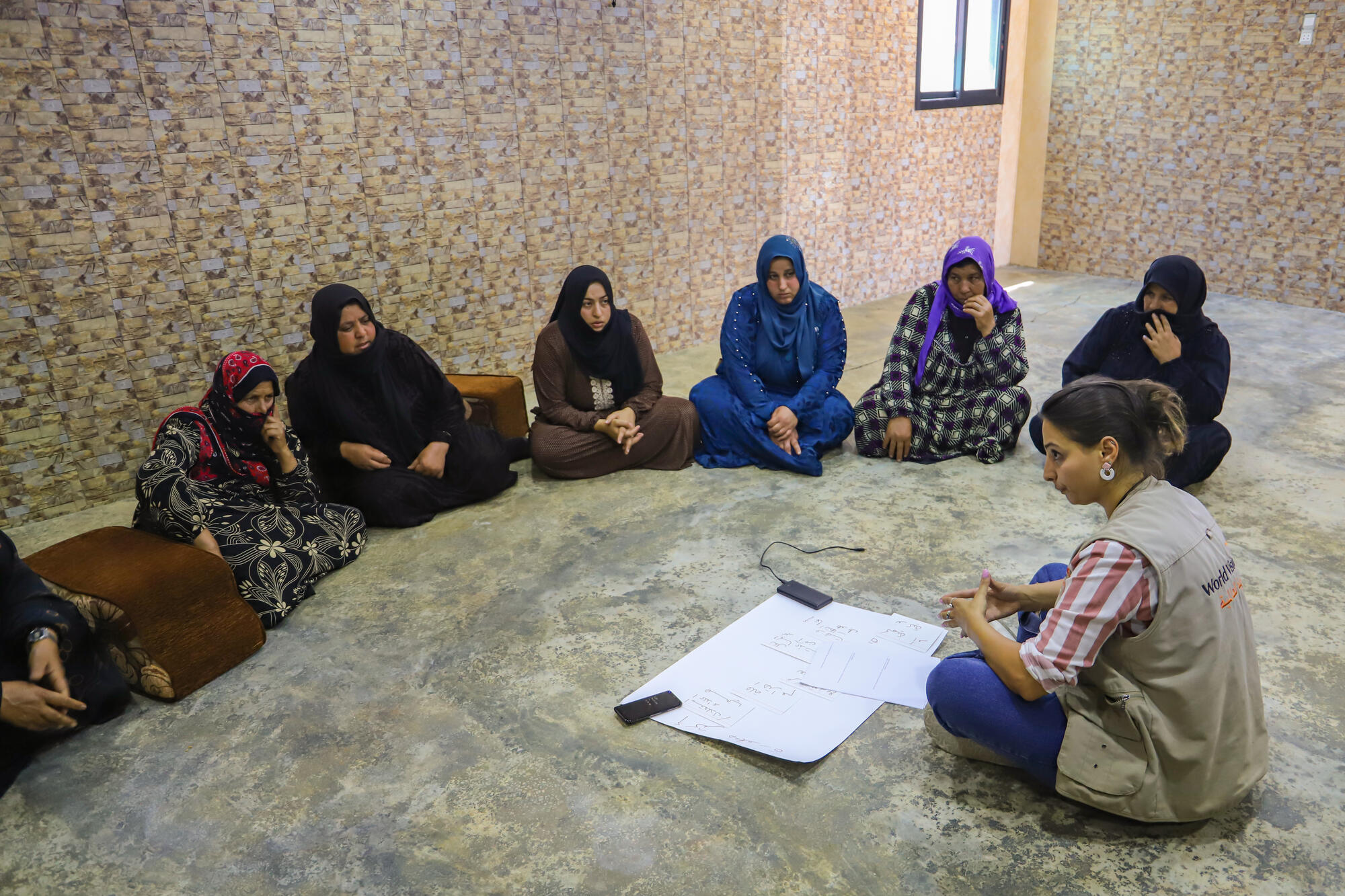
Protecting women and girls is our shared responsibility
The 16 Days of Activism is more than a campaign. It is a reminder that ending violence demands courage, investment, and collaboration. The evidence from Lebanon and across the region sends one unmistakable message: online violence is not virtual or harmless, it has real, lasting consequences and must be treated with the same seriousness as physical and psychological harm.
We all must stand with women and girls across the globe – activists, mothers, refugees, students, journalists, and every woman whose voice has been targeted or silenced. Protecting them is not the responsibility of a single institution. It is a shared responsibility of families, communities, digital platforms, lawmakers, civil society, and humanitarian actors working together.
________________________________________
Marija Cvejic is the Middle East & Eastern Europe Safeguarding and Protection Advisor, drawing on almost 15 years of experience with INGOs, the UN, and local women’s organisations. She is pursuing her PhD in women’s civil society movements in the former Yugoslav region. Driven by a passion for gender equality and community dignity, she believes in survivor-centred approaches and meaningful participation of women and youth.
Subscribe to see more content like this
Related Resources

Innovative Chatbot Supports Parents in Times of Crisis

Voices from MEER: Mental health in catastrophes and emergencies cannot be ignored
