

Prioritising Water to Unlock Human Capital
Parvin Ngala, calls for action to make water the foundation of human capital investment.
April 15, 2026.
At a moment when global commitments to human capital are under increasing strain and public and donor financing is being scaled back, we are overlooking the most basic precondition for its success: access to safe water, sanitation and hygiene. Across low- and middle-income countries, the challenge is no longer whether we invest, but how. By prioritising outcomes over foundations, we are constraining the very returns we seek. Safe water, sanitation and hygiene are not peripheral services. They are the starting point.
Aligning Investment
At the World Bank – IMF Spring Meetings, leaders will debate jobs, economic growth and fiscal constraints. Yet in many of the countries represented, children are still missing school because of preventable illness. This is not a failure of intent. It is a failure of sequencing.
In a context where progress on human capital and social services has been uneven and resources increasingly constrained, outcomes remain difficult to shift. Learning poverty continues to affect millions of children. Malnutrition rates show limited improvement. Preventable diseases still undermine productivity and well‑being. These challenges are closely linked: nearly 1,000 children under five die every day from diseases linked to unsafe water, sanitation and hygiene.
We are overinvesting in outcomes and underinvesting in the conditions that make those outcomes possible
When a child is repeatedly ill, nutrition interventions cannot take hold. Often, the problems begin even earlier, with students unable to attend school due to sickness or need to fetch water, missing days or dropping out entirely. When schools lack water, attendance does not translate into learning. When health systems are overwhelmed by preventable diseases, they cannot build resilience. The returns on human capital are not just reduced. They are structurally capped.
Lives shaped by water access
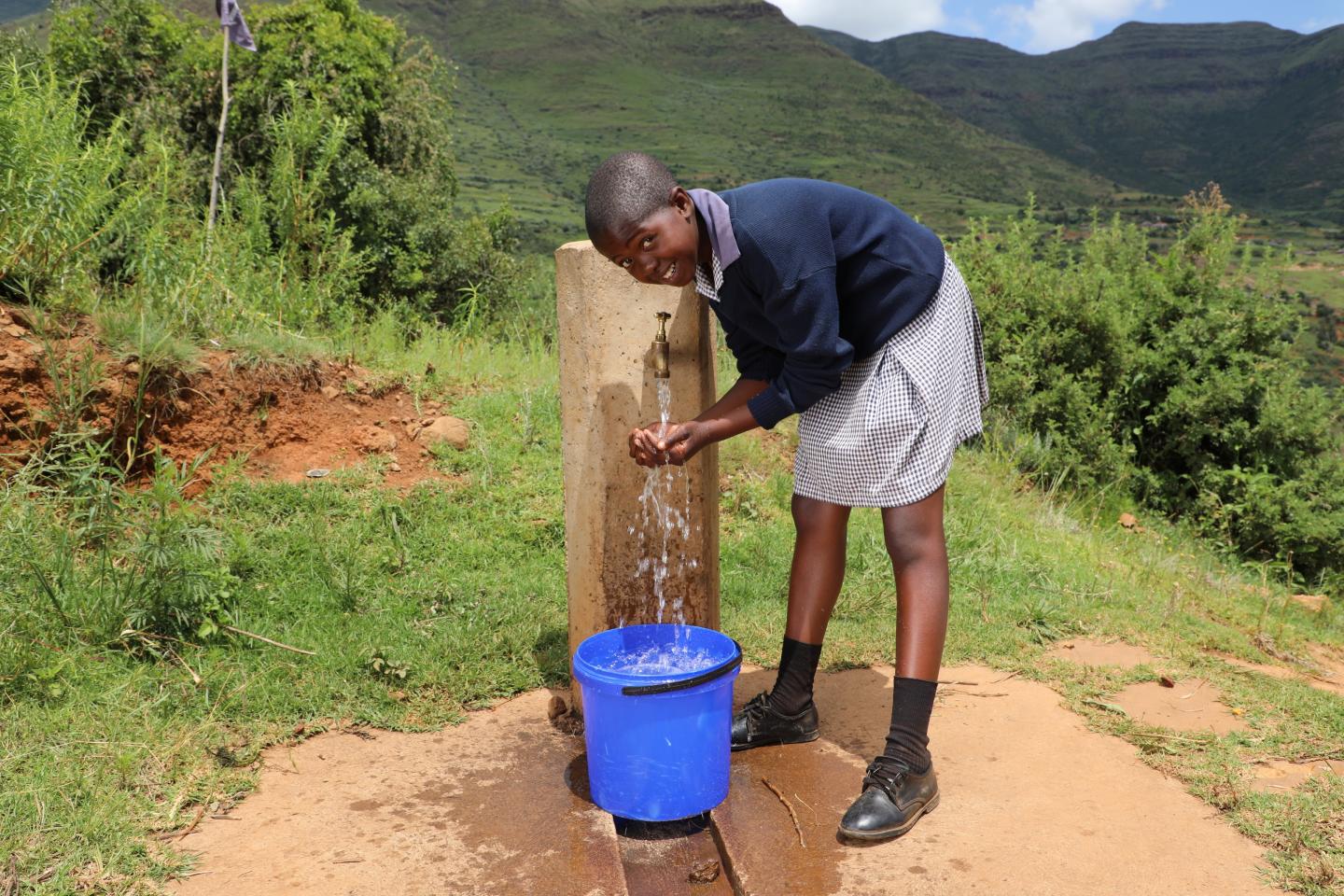
In Phamong Village, 13-year-old Senate once walked through a forest each day to collect water from an uncovered well. She described that journey not as routine, but as fear.
“I always felt very scared of what could happen to me,” she said.
The water she collected was often contaminated. Her mother, a community health worker, watched rates of diarrhoea rise among young children despite every precaution. When clean water finally reached Senate’s community, the shift was immediate. Illness declined. Time was restored. School became a place of continuity rather than disruption.
Who is paying the price
Like Senate, globally, women and girls spend more than 250 million hours each day collecting water,. This is not simply a question of access. It is a question of lost potential, reinforcing gender inequality and limiting economic participation before it even begins.
Globally, 447 million children attend schools without basic water services and a further 646 million lack basic hygiene services at school. These are not just hygiene failures but structural barriers to learning that undermine attendance, learning outcomes and dignity especially for girls.
In today’s constrained fiscal environment, efficiency is not optional. With 3.4 billion people living in countries that spend more on debt servicing than on health or education, every investment must work harder. The economic case for water is clear. Investments in water, sanitation and hygiene deliver returns across health, education, nutrition and productivity simultaneously. As Ajay Banga, President of the World Bank, noted in his opening remarks at the 2026 Spring Meetings:
“When water doesn’t work, economies don’t work, farmers don’t work. Women, girls are impacted. Water is not a side issue; it is foundational”.
From infrastructure to human capital
We still treat water as infrastructure. It is not. It is human capital infrastructure. This distinction matters because it determines how decisions are made. When Water, Sanitation, and Hygiene (WASH) is seen as a secondary sector, it is often the first to be deprioritised during fiscal tightening. The consequences are predictable: rising disease burden, declining learning outcomes and widening inequality.
World Vision’s experience across nearly 100 countries points to a consistent constraint. It is not a lack of policy ambition, but a gap in delivery. Sustainable water systems require more than pipes. They depend on local ownership, behaviour change and long-term systems strengthening.
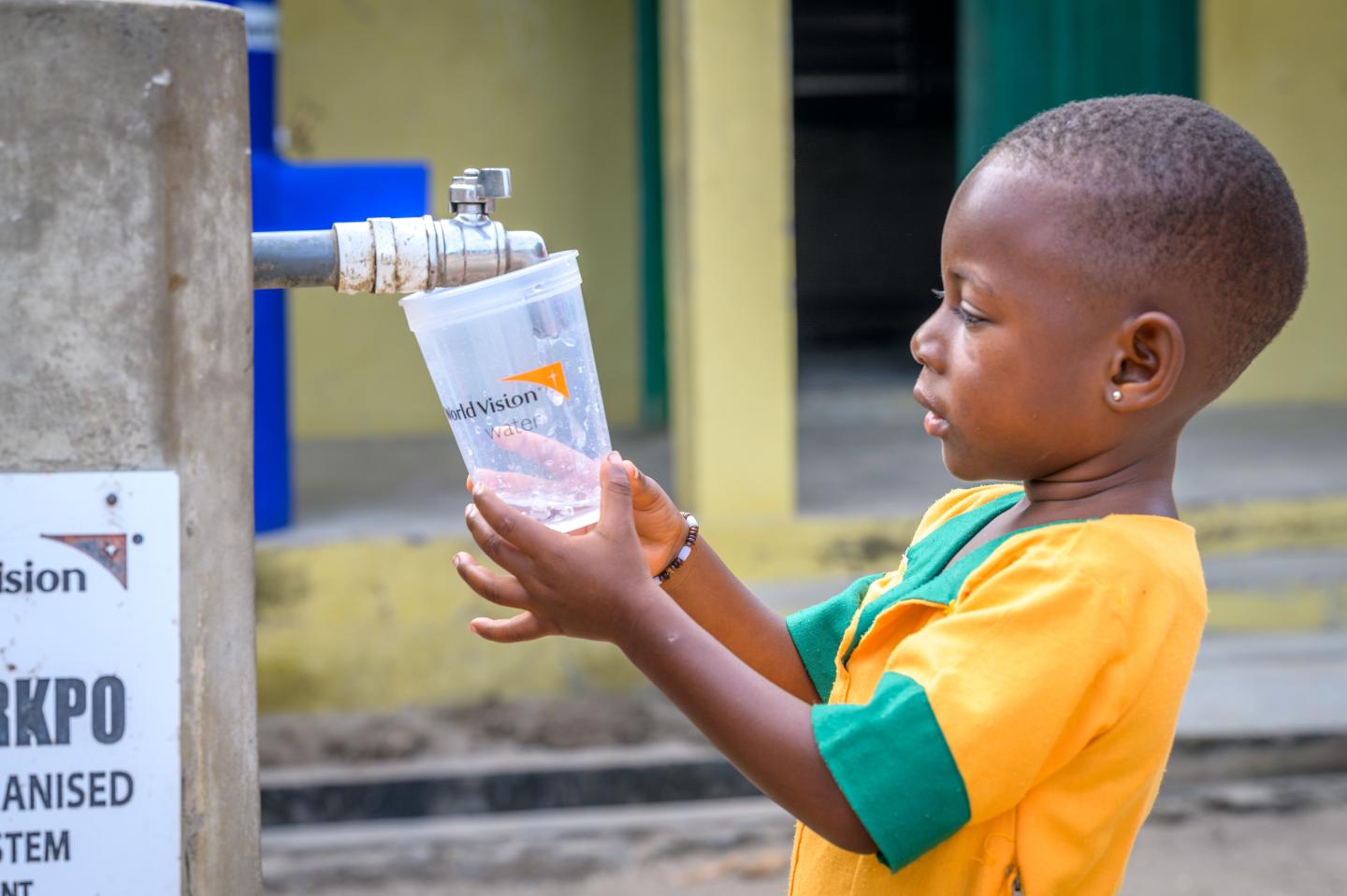
Between 2016 and 2025, World Vision and its partners reached 34.5 million people with clean water. The impact is measurable, but the lesson is broader. Where water systems are built to last, human capital follows.
A pivotal year for water and development
With the World Bank’s Water Forward agenda and the upcoming UN Water Conference, 2026 offers a rare window to reset priorities. The direction is promising, but integration remains incomplete.
Private finance currently accounts for just 1.7% of water sector investment globally. Closing the trillion-dollar financing gap will require a model that recognises public systems, private capital and civil society as complementary, not competing. The opportunity is not to do more, but to do things differently.
A call to reorder priorities
If we are serious about human capital, three shifts are essential:
- Embed WASH into human capital strategies from the outset. Not as an add-on, but as a prerequisite.
- Protect foundational services during fiscal consolidation. When budgets shrink, cutting water is not savings. It is deferred cost.
- Invest in delivery systems that reach the last mile. Particularly in fragile and climate-exposed contexts, partnerships with community-based organisations are essential to translate policy into impact.
Progress is possible. Since 2000, 2.2 billion people have gained access to clean water. The next phase will depend not on ambition, but on alignment across sectors, across financing instruments and across planning frameworks that determine where money flows first. Water comes before wealth. Until we invest accordingly, the returns on human capital will remain constrained.
Parvin Ngala currently serves as Global Director for Water, Sanitation and Hygiene at World Vision International. She brings extensive development and humanitarian experience, with more than 24 years leading global and regional portfolios across Africa, Asia and the Middle East for the UN and international NGOs.
Subscribe to see more content like this
Related Resources

Are We Investing Early Enough to Protect the Future?

Latin America’s Water Paradox: How Long Can Abundance Exclude Millions?
