publication / November 26, 2025
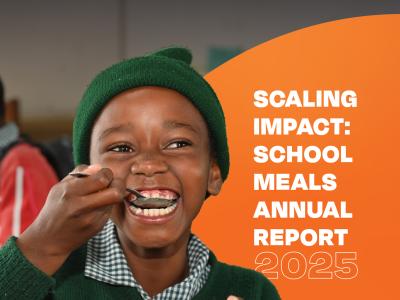
School Meals Annual Report FY25
Millions of children still go to school hungry, with a single meal often deciding whether they stay in class or drop out. While 466 million now receive school meals, half of primary school-aged children remain unreached—especially in low-income countries. World Vision’s School Meals Programme delivered daily meals to over one million children in 20 countries and drove 17 policy changes to strengthen national feeding systems. From South Sudan’s new strategy to Rwanda’s citizen-led “Dusangire Lunch,” momentum is building to end child hunger for good.
opinion / November 27, 2025
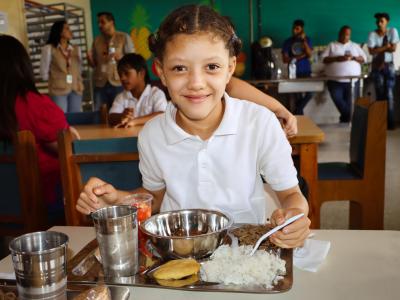
A Glass Half Full and Rising: Why School Meals Must Be a Global Priority
In today’s world where millions of children still go to school hungry, Mary Njeri, Global School Meals Director, puts a spotlight on school meal programmes—costing less than a cup of coffee per child—that are transforming lives and boosting learning worldwide. With proven impact and high returns, Mary urges governments, donors to make school meals a global priority so no child is left behind.
publication / December 4, 2025
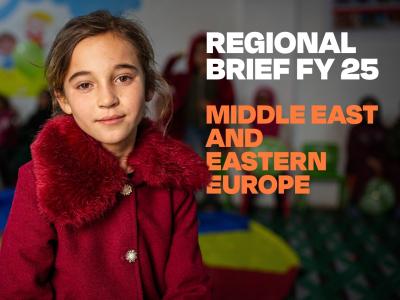
Regional Brief FY 25: World Vision Reached 4.47M Children
Amid ongoing conflict, displacement, overlapping crises, and worsening climate shocks, humanitarian needs in the Middle East & Eastern Europe are soaring.
article / November 14, 2025
One-Meal a Day for the Children as Malawi Faces Food Crisis
A grandmother feeds her 12-year-old green mangoes to ease hunger—a harsh reality for millions in Malawi amid a food crisis and declared State of Disaster.

publication / November 18, 2025
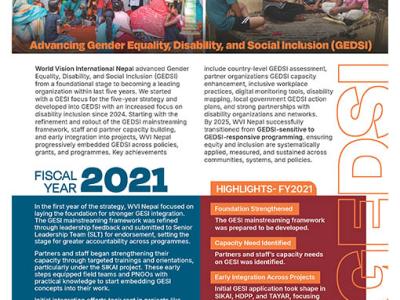
Advancing Gender Equality, Disability, and Social Inclusion (GEDSI) in WVI Nepal
Discover WVI Nepal’s GEDSI progress from FY21–FY25, showcasing inclusive policies, programs, and practices for the most vulnerable communities.
publication / December 4, 2025
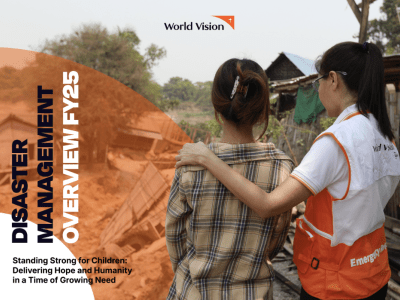
Disaster Management Annual Overview FY 25
FY25 was a year of hard choices and courageous leadership. In the face of escalating global crises, we responded to 108 emergencies, reaching nearly 36 million people—including over 18 million children—with life-saving food, cash, health care, education, and protection. Determined to do more with less, we reimagined humanitarian operations, driving cost-efficiency and resilience while embracing digital transformation. Artificial intelligence and automation helped reinvest savings into communities, even as funding tightened.
We strengthened the sector through training and surge capacity, deepened partnerships to champion child-focused humanitarian action, and pushed for a Humanitarian Reset—an aid system that is decentralised, inclusive, and accountable. In the world’s most fragile contexts, we proved that children can thrive when compassion meets purpose. FY25 wasn’t just about responding to crises—it was about shaping the future of humanitarian action.
press release / December 2, 2025
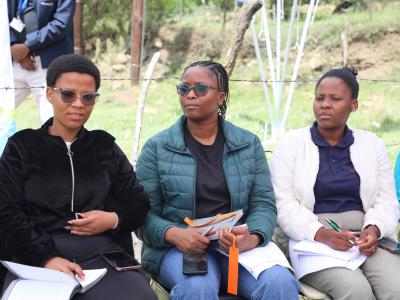
World Vision Lesotho to Host Journalists’ Training on the Economic Inclusion Program
World Vision Lesotho hosts journalists' training on the World Bank–funded Economic Inclusion Program to strengthen communication and support vulnerable households.
article / November 28, 2025
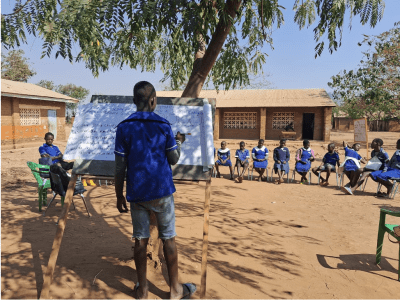
From Plates to Policy: Why Listening to Children Is Revolutionising School Feeding Programmes
A pioneering approach in Malawi, Tanzania, CAR, and Sri Lanka is proving that when children speak, school systems listen.
publication / November 17, 2025
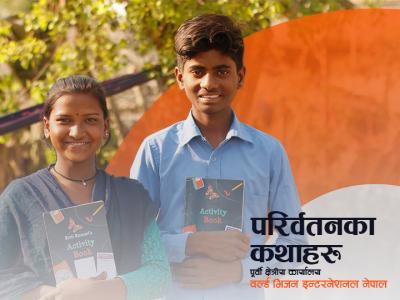
Stories of Transformation from East Field Office (Nepali)
Inspiring stories of resilience from Nepal’s communities, supported by World Vision to access education, health, and hope for every child.