
Providing Safe Water: World Vision’s Impact in Chadakori & Sae Saboua
Download
Towards Universal Access to Safe Drinking Water: World Vision Accelerates Water Coverage in Chadakori and Sae Saboua
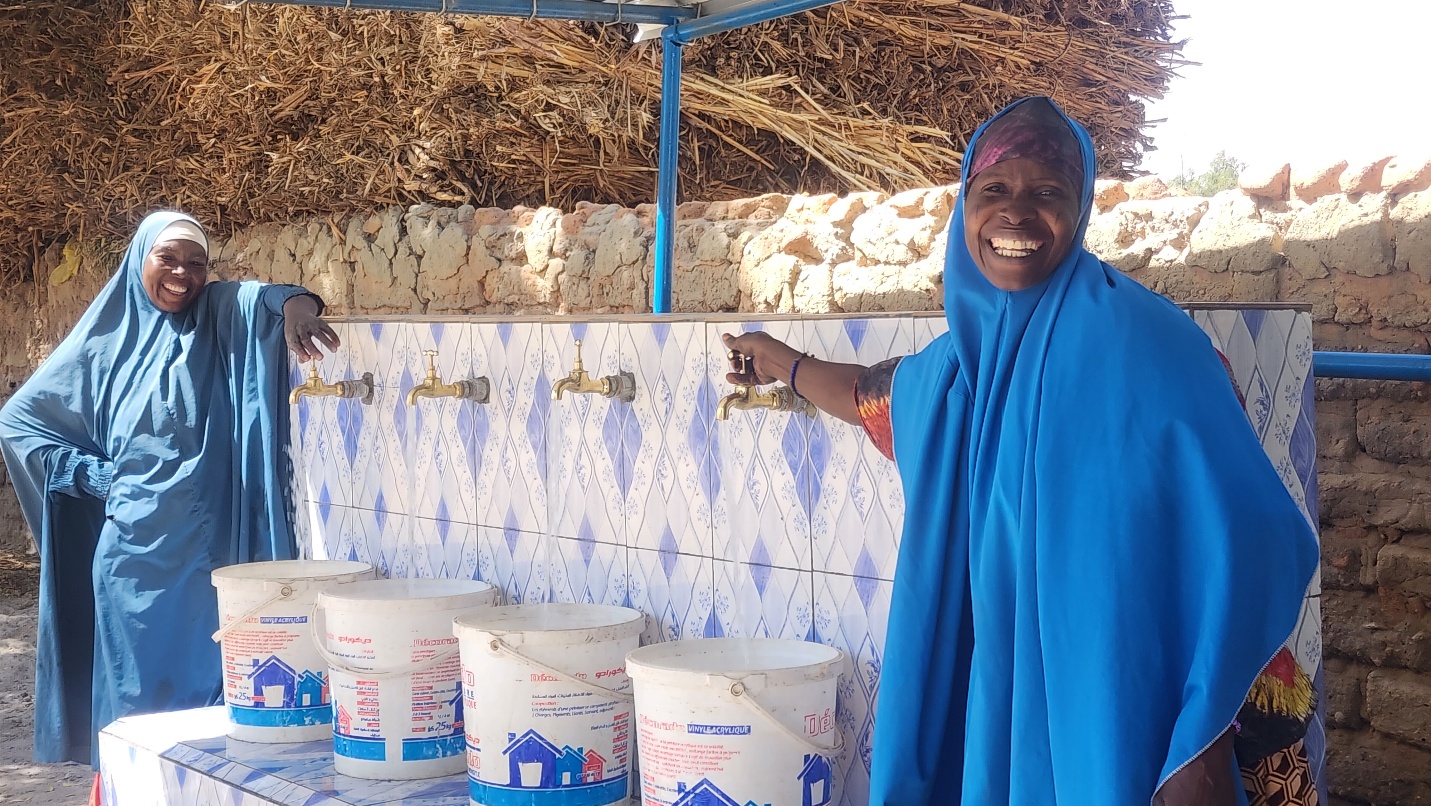 This World Water Day, World Vision celebrates a landmark milestone in sustainable water access. In the communes of Chadakori and Sae Saboua, we are rapidly approaching universal water coverage, a transformative shift that is already strengthening public health, restoring dignity, and catalysing local socio-economic growth.
For World Vision, "universal coverage" is a rigorous standard. It means every household has access to safe, affordable, and sustainable water within a 30-minute round trip (500 metres). We validate these results through data-driven spatial analysis and representative household surveys to ensure that no family is left behind..
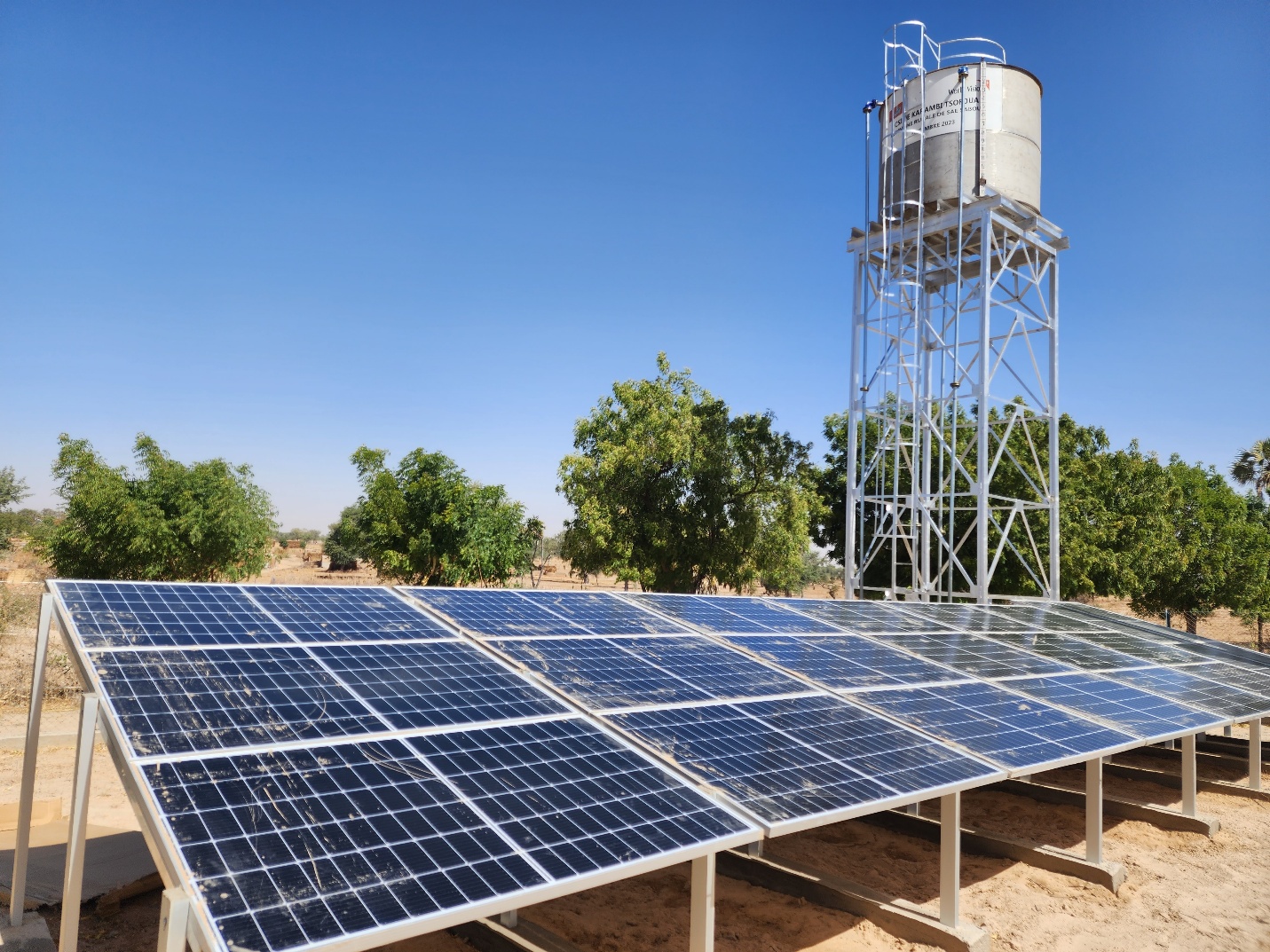 In the Commune of Chadakori, only the final evaluation remains to officially confirm the achievement of universal access to safe drinking water. At this stage, preliminary results indicate a 93% coverage rate for basic access to drinking water services. To reach this level, World Vision conducted a comprehensive inventory of existing water points and constructed 827 water points, including hand pumps, public standpipes, and ramps, installed both in communities and in institutions such as health centers and schools, ensuring that safe water is never more than a few minutes away.
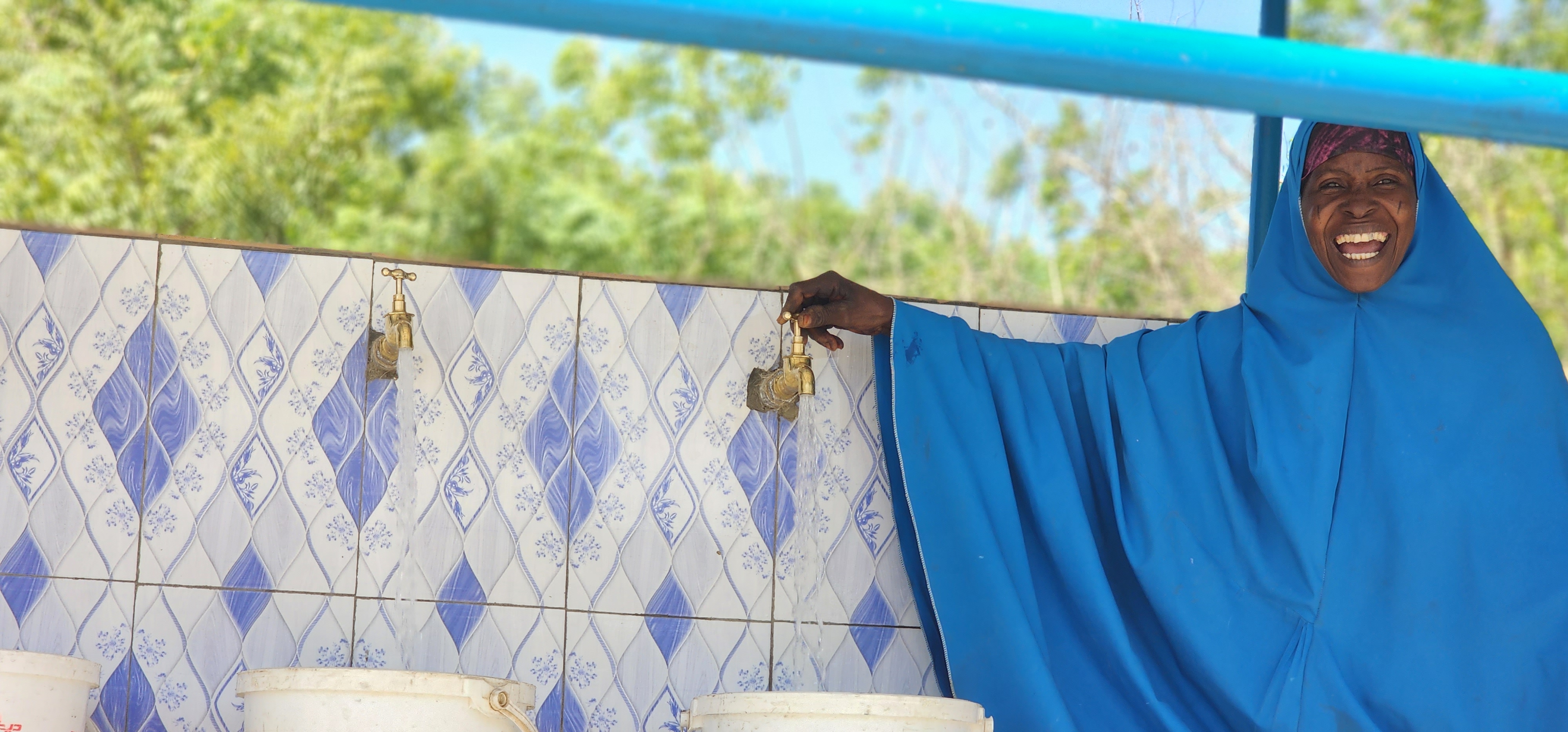 In the Commune of Sae Saboua, a total of 836 water points have been recorded to date, 508 of which were constructed by World Vision. The current coverage rate for basic access to drinking water services stands at 73%. Final interventions are planned for 2026, with the objective of achieving universal water coverage by 2027.
The progress achieved in these two communes is the result of strong collective action. World Vision has worked closely with government technical services, municipal authorities, and local communities. The active involvement of local councils in planning and implementing investments has strengthened local ownership of water infrastructure. In addition, the organization has mobilized multiple technical and financial partners and implemented a co‑financing strategy with the communes, optimizing available resources and accelerating progress toward universal water coverage.
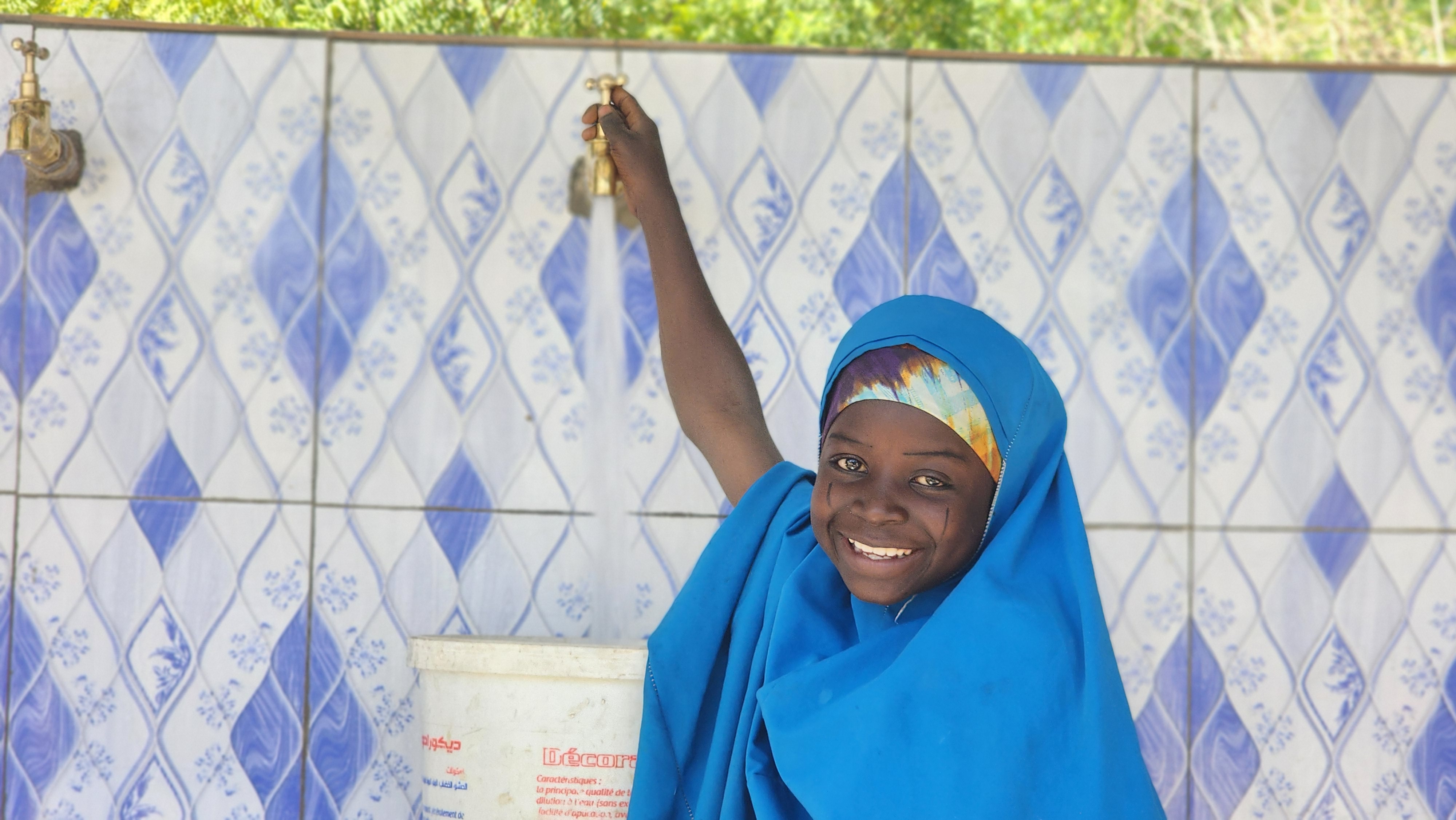 Several key lessons emerge from this experience. Firstly, data‑driven planning is essential: through the digitalisation of information and the use of the Water platform, all data on water points are collected, updated, and accessible in real time. This supports informed decision‑making, better investment targeting, and improved coordination among water sector stakeholders. Secondly, the effective use of network and infrastructure extension funds has made it possible to rapidly increase the number of beneficiaries. Finally, strengthening service continuity through local management and infrastructure monitoring is a determining factor in ensuring long‑term sustainability.
By progressing towards universal access to safe drinking water in these two communes, World Vision demonstrates that near‑total and sustainable water access is achievable through a combination of appropriate investments, strengthened local governance, and robust community engagement.
On this World Water Day, themed “Water for Equality”, World Vision reaffirms its ambition: to empower women by eliminating the burden and hardship of water collection, and to ensure that every child can turn on a tap and access safe and sufficient drinking water to meet their daily needs.
Related Resources

World Vision Jerusalem-West Bank Annual Report 2025
Read more
World VIsion Jerusalem West Bank Country Profile FY25
Read more
MKATABA WA UMOJA WA AFRIKA WA KUKOMESHA UKATILI DHIDI YA WANAWAKE NA WASICHANA , TOLEO RAHISI KWA WATOTO
Read more