
Burkina Faso: Child-Friendly Spaces as an Essential Response to Protection and Development Needs

In Nouna, in the Sourou region, the appointment is well known and eagerly awaited by children. Three times a week – Wednesday afternoon, Saturday, and Sunday – they come together, under the supervision of community facilitators and a trained animator, for guided discussions and educational and recreational activities. Two sites have been set up to enable as many children as possible to participate based on where they live.
“ When we meet at the site, we take part in fun activities such as awalé game, card games, dancing, football, and so on. In addition to recreational activities, the facilitators also give us advice on various topics so that we behave well at home and within the community. It is really nice to meet here with others,” says Ibrahim, a 12-year-old boy.
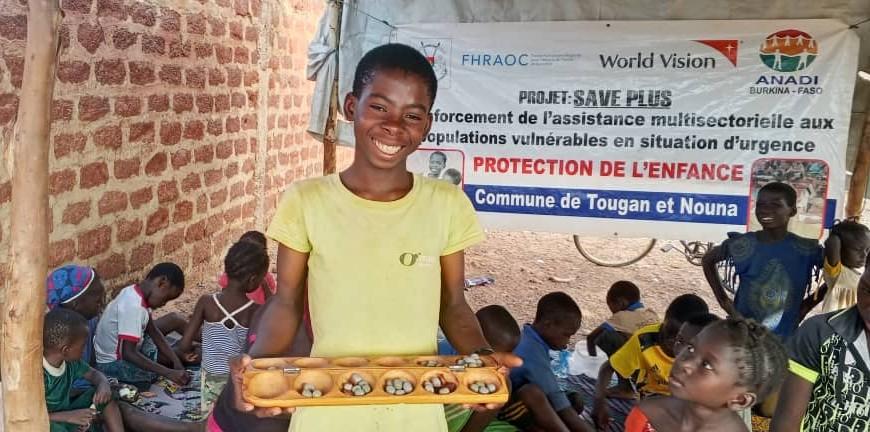
The mobile strategy for Child-Friendly Spaces requires teams to move around in order to provide psychosocial support and protection services to vulnerable children wherever they are. These spaces, established as part of the protection component of the “ SAVE Plus ” project, are proving to be an essential and relevant response to the complex challenges that children face daily.
“ By offering protection, psychosocial support, and learning opportunities, Child-Friendly Spaces help to preserve childhood and prepare them for the future. During the interventions, I observed many children in highly vulnerable situations, marked by fear, stress, or sometimes experiences of violence or family separation, who gradually regained emotional balance. These spaces foster both individual and collective resilience,” explains Carine Estelle Ouédraogo, Protection Officer.
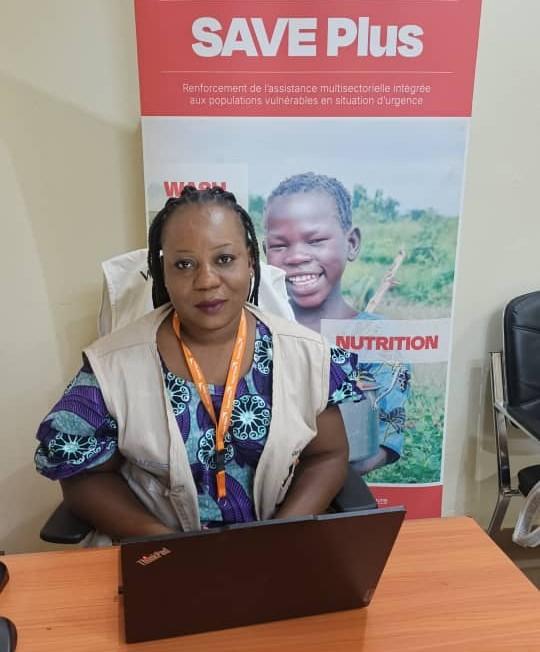
The “ SAVE Plus ” project, co-funded by FHRAOC and World Vision, is a multisectoral humanitarian intervention aimed at improving the living conditions of vulnerable populations in the Bankui and Sourou regions. The project’s main objective is to ensure equitable access to quality essential services, particularly in protection, nutrition, and water, hygiene, and sanitation. For greater effectiveness in the field, World Vision implements the protection component of the project in partnership with the National Association for Integrated Development Action (ANADI).
Helene is a community facilitator trained to monitor children in Child-Friendly Spaces. She acts as an educator, protector and a key community member in ensuring a safe and nurturing environment for children:
“ The early learning games we carry out with the children contribute greatly to their development. We also take time to carefully observe them, identify those with specific needs, and refer them to appropriate social services for better care,” she explains.
“At the beginning of the sessions, some children were shy and wary, while others had tense expressions, but over time they have opened up to others and now fully participate in the activities,” adds Helene.
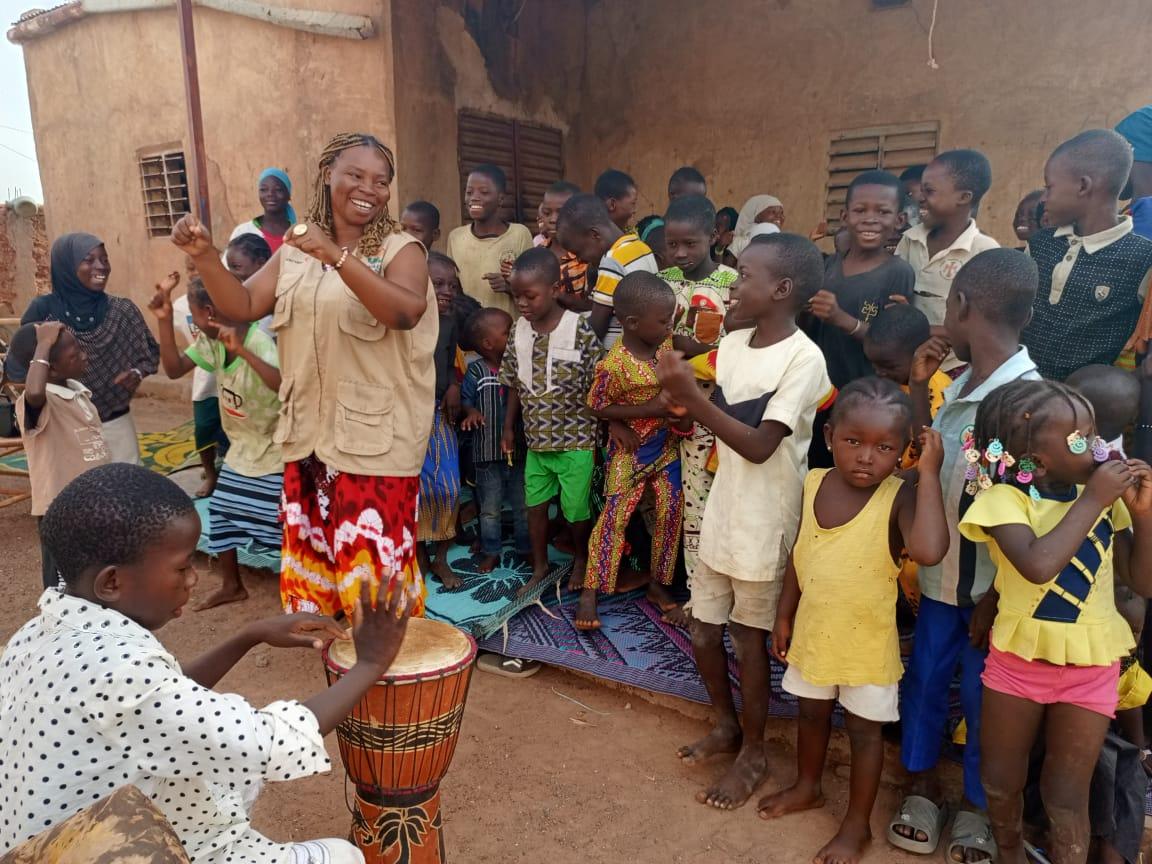
In addition to psychosocial support and recreational activities, the mobile spaces also serve as platforms for raising awareness about child protection, where children receive key messages on their rights, the prevention of violence, and acceptable appropriate behaviour towards children.
Since the start of the “ SAVE Plus ” project, more than 7,000 children have taken part in activities in these mobile spaces, and over 100 have received support for specific needs.
Bringing together children living in contexts marked by multiple vulnerabilities, Child-Friendly Spaces promote tolerance, social cohesion, and the reduction of community tensions, thereby creating a safer and more supportive environment where children can learn, play and thrive.