
Dry‑Season Farming Transforms Lives, Incomes of families in Binduri District
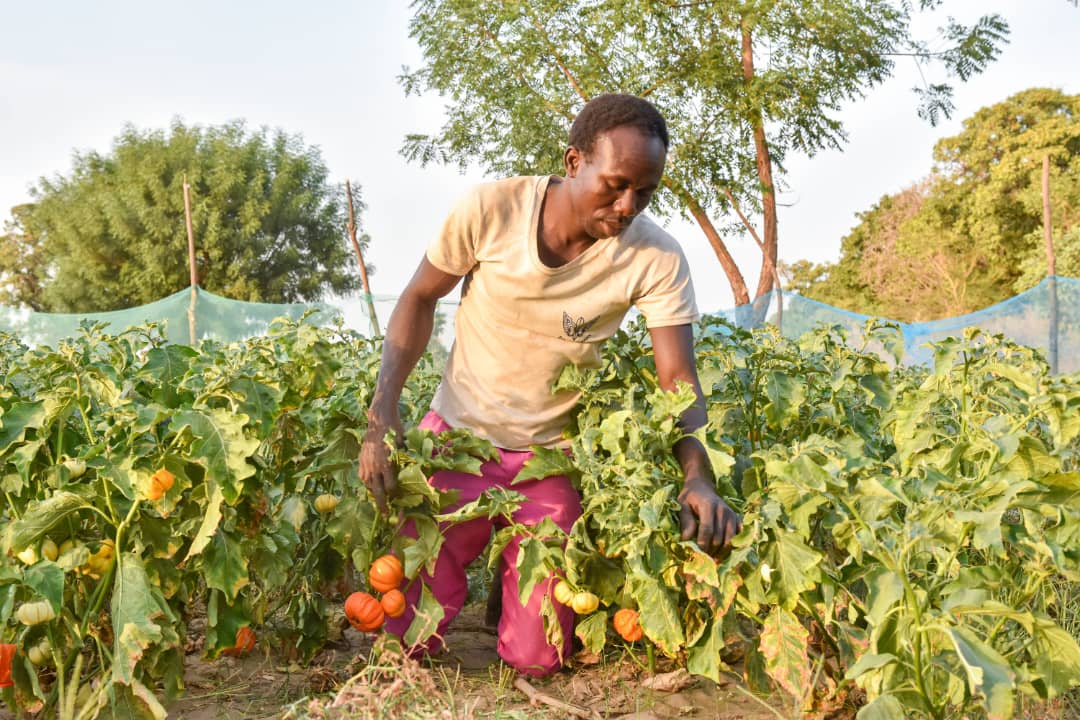
In the far‑northeastern corner of Ghana, where the harmattan winds sweep across dry fields and climate change has tightened its grip on already‑fragile livelihoods, something remarkable is happening. Families in Binduri District are rediscovering hope—adopting dry season farming.
For decades, the long dry season meant months of uncertainty for families in the Benguri and Bansi communities, all in the Binduri District. With little water and few economic opportunities, many young people left home in search of work in urban cities, where they are exposed to social vices. "We didn't have knowledge in dry season farming, so during the dry season, all our young people (girls and boys) migrate to urban centres in search of economic activities to partake in. Some of them came back home with teenage pregnancies and other social vices," said Samuel Ayariga, a farmer.
At home, women carried the heaviest burdens, stretching meagre harvests to feed their families while worrying about the next season.
But today, the story is changing. "We were depending on rainfed agricultural practices alone. We were idling during the dry season, which explains why we previously suffered food and nutrition insecurity. Since adopting this dry season farming and with logistical support and training from World Vision Ghana, we can boldly say we are thriving," Samuel added.
Under the auspices of the Farmer Managed Natural Regeneration (FMNR) for Positive Land Restoration Systems (FMNR PLUS Project) Phase II, funded by the Kneuer Family through World Vision Germany, World Vision Ghana has intensified a results‑driven dry‑season farming initiative that is reshaping both the land and the lives of the people who depend on it.
By pairing reliable water systems with hands‑on agronomic and logistical support such as link chains, water pumping machines and drought‑tolerance‑certified seeds, the organisation is helping farmers in Binduri District turn barren fields into thriving gardens of tomatoes, onions, leafy vegetables, peanuts and other high‑value crops.
And the impact is visible everywhere.
A New Kind of Abundance
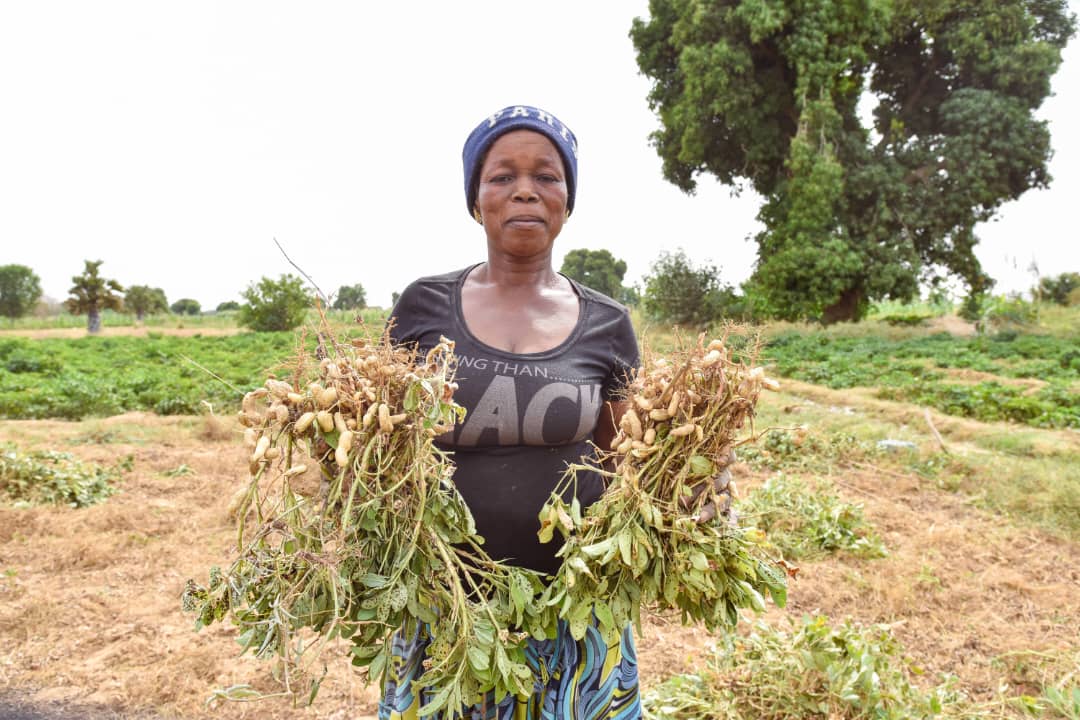
At a small farm in the Bansi community, 45‑year‑old Martha Agurida bends over a row of green peanuts, her hands moving with the confidence of someone who knows her labour will pay off. Just a year ago, she relied solely on rain-fed farming. Today, she harvests vegetables, including peanuts, even in the driest months.
“Now I can feed my children well and still have enough to sell,” she says, her smile as bright as the morning sun. “I don’t worry the way I used to.”
Stories like Martha Agurida’s are becoming common in the Binduri and Garu Districts where World Vision Ghana operates. Families are reporting improved food and nutrition security, steady income from dry‑season produce, better health and wellbeing and reduced migration, especially among women and youth
In communities where migration once felt like the only option, young people are choosing to stay—because they finally see a future at home.
Women and Youth at the Centre
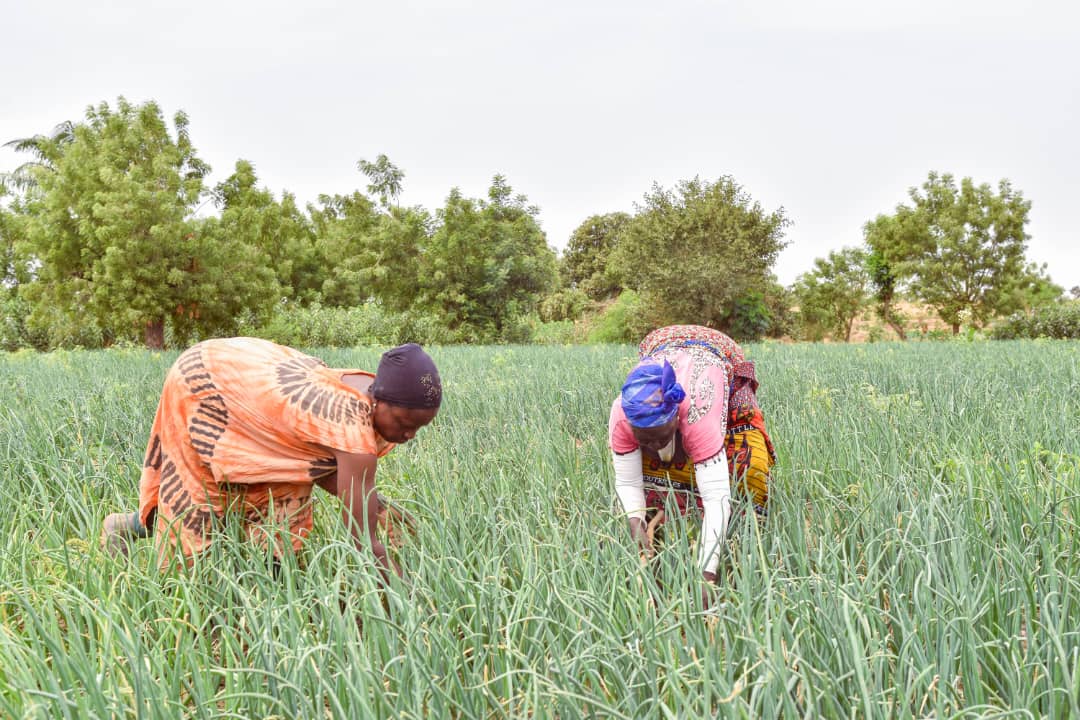
The programme’s design intentionally places women and young people at the heart of the transformation. With training in modern farming techniques, access to water, and support to enter local markets, they are becoming key drivers of local economic growth.
In Binduri district, for instance, about 120 farmers are engaged in dry season farming. “I used to think I had to go to Kumasi or Accra to make money,” Martha said despite her age. “Now I’m earning right here, she added.
For many women, the change is even more profound. Income from dry‑season farming is helping them pay school fees, access healthcare, and contribute to household decisions with newfound confidence.
Restoring Dignity and Resilience
During a recent monitoring visit, Rexford Y. Bugre, Northern Operations Manager for World Vision Ghana, reflected on the deeper meaning of the progress being made.
“This is more than farming—it’s restoring dignity, resilience, and community strength in one of the regions hardest hit by climate change,” he said.
His words echo what many families feel: that this initiative is not just about crops but about reclaiming control over their lives.
A Future Growing from the Ground Up
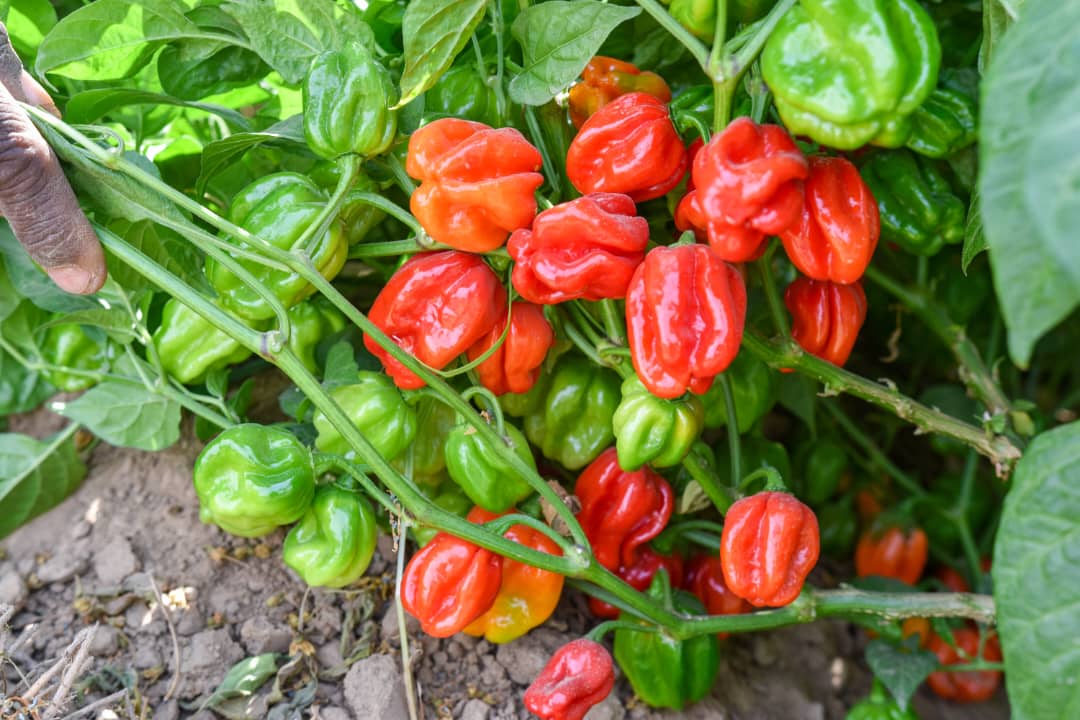
As the sun sets over the fields of the Upper East Region, the landscape tells a different story than it did just a few years ago. Where dry, cracked soil once dominated, green patches now stretch across the horizon. Children run between rows of vegetables. Women gather produce for market. Young men discuss plans for the next planting cycle.
Hope is no longer a distant idea—it is growing, thriving, and taking root in the lives of families across Binduri and Garu Districts. And with every harvest, hope grows stronger.