
A Prescription in Hand, But No Money to Buy Child’s Medication: Thabile's Story of Transformation

"As a mother, it was very painful," recalls 28-year-old entrepreneur from Zombodze Emuva in Eswatini's Shiselweni Region. "I wanted my son to get better, but sometimes I did not have the money to buy the medicine."
This was the life of Thabile Gamedze Whenever her young son fell ill; she would often find herself facing a heartbreaking reality. After visiting the clinic and receiving a prescription from nurses, she would return home knowing she could not afford the medication her child needed.
Today, those difficult days are becoming a distant memory.
Thanks to a thriving business she established with funding support from the Youth Enterprise Revolving Fund (YERF), Thabile is now able to provide healthcare, #ENOUGH nutritious food, and a more secure future for her two-year-old son.
The journey to this point was not easy.
After completing high school in 2016, Thabile hoped to further her studies. However, without a scholarship or financial support, pursuing tertiary education was impossible. Instead, she joined the workforce, spending seven years employed at a local supermarket.
Although the job helped her survive, it did not provide enough opportunities for growth. In 2023, she left her employment and began selling food on the streets of Nhlangano in an effort to earn a better income. However, operating informally came with its own challenges, including difficulties obtaining a trading licence and frequent run-ins with municipal authorities.
"After my son was born, there were times when he became sick and needed treatment," she says. "The nurses would prescribe medication, but I did not always have the money to buy it. I worried constantly about how I would take care of him."
Her circumstances began to change when she joined activities under World Vision Eswatini's Halting the Spread of HIV Project, a youth-transforming initiative funded by the Global Fund through the Coordinating Assemly of Non-Governmental Organisations (CANGO). Through the project, she attended sessions on HIV prevention and entrepreneurship, gaining valuable knowledge and business skills.
Recognising her potential, her Business Mentor introduced her to the Youth Enterprise Revolving Fund, which supports young people with capital to start or grow businesses.
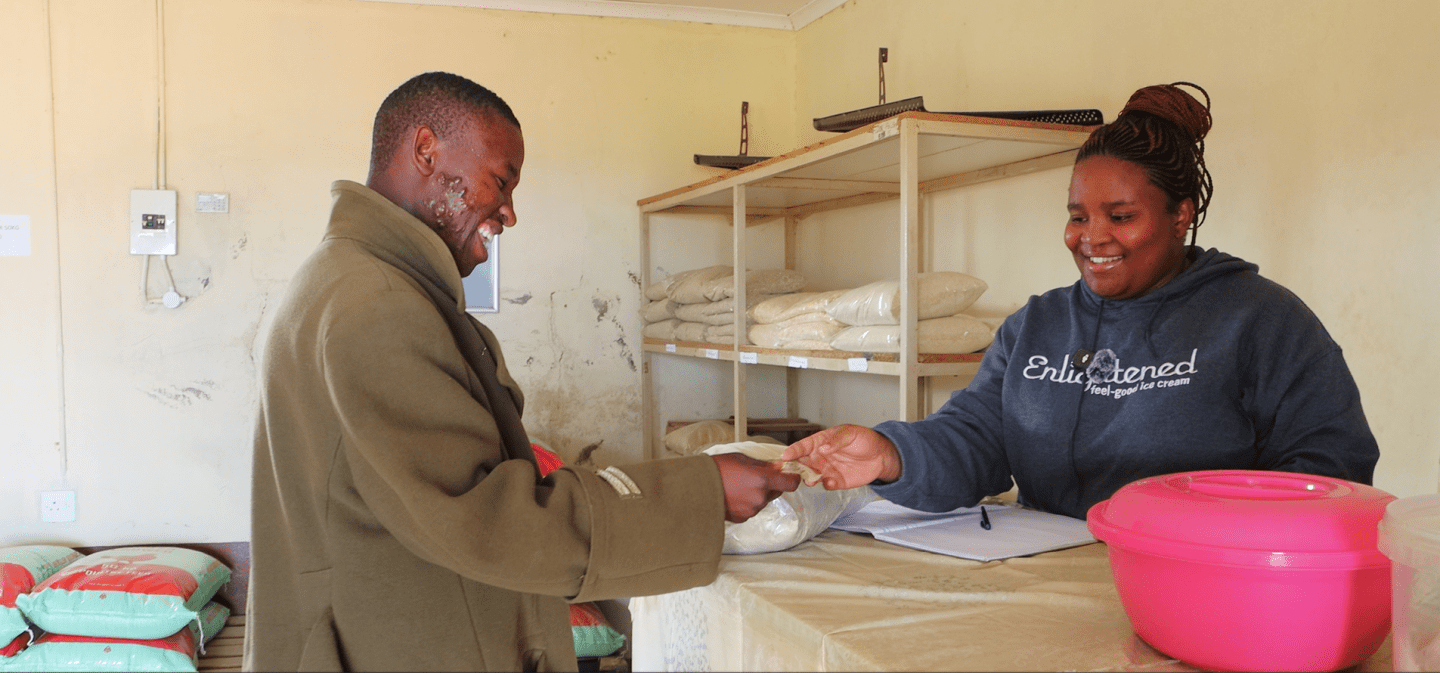
Inspired by the opportunity, Thabile applied for funding to establish an animal feed business by bringing it closer to her community from wholesalers. Six months later, she received approximately E38,000 to launch Silulu Farm Services.
The business was inspired by a need she observed in her community. Many families depend on livestock farming for their livelihoods, raising chickens, pigs, and other animals, yet they often had to travel long distances to purchase animal feed and pay additional transport costs to bring it home.
"I wanted to bring the products closer to the people," she explains. "This way they can save money and have easier access to feed for their animals."
Just two months after opening, Silulu Farm Services has already become a valuable resource for local farmers, receiving strong support from the community.
For Thabile, however, the greatest success is not measured in sales or profits. It is measured in her son's wellbeing.
"Now when my child gets sick, I can take him for treatment and buy the medication he needs," she says. "I can also provide nutritious food and take better care of him. That gives me peace of mind."
The transformation has given her confidence and hope for the future. No longer trapped in a cycle of financial uncertainty, she is focused on growing her business and creating an even brighter future for her family.
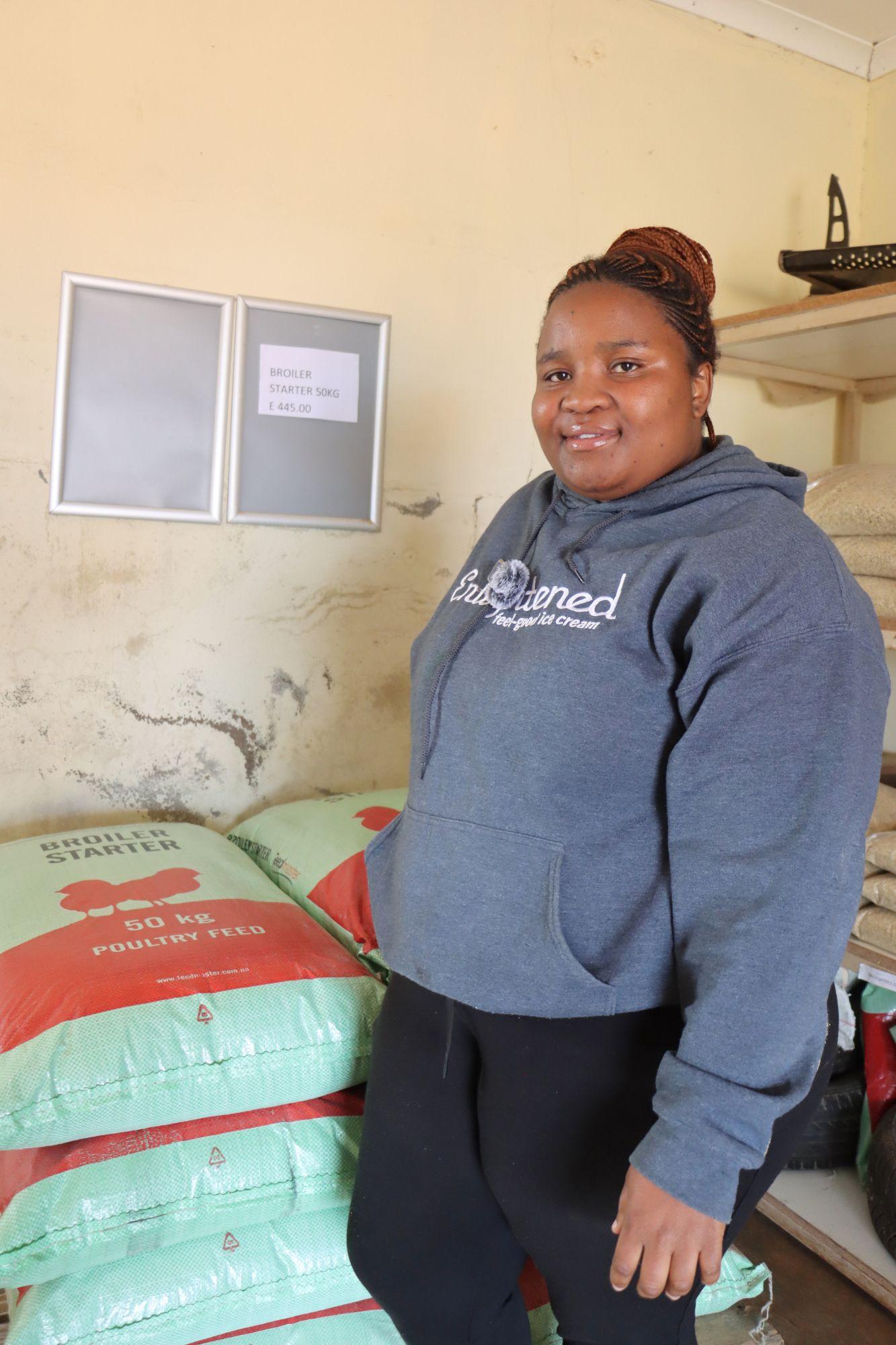
She hopes to eventually expand Silulu Farm Services into a wholesale operation that supplies other animal feed retailers across the region.
For Thabile, entrepreneurship has become more than a source of income. It has become a pathway to dignity, stability, and the ability to provide the care every mother wants for her child.
"Seeing my son healthy and knowing I can provide for him motivates me every day," she says.
Through targeted entrepreneurship support and access to economic opportunities, Thabile's story demonstrates how empowering caregivers can directly improve the wellbeing of children, ensuring families have the resources they need to access healthcare, nutrition, and a brighter future.