
World Vision Eswatini Strengthens Staff Capacity on Citizen Voice and Action

World Vision Eswatini has concluded a week-long training on Citizen Voice and Action (CVA), equipping programme staff with knowledge and skills to support communities in working collaboratively with local stakeholders to improve the well-being of children and their families.
Citizen Voice and Action is a community engagement approach that promotes constructive dialogue and partnership between communities, service providers, and government. The approach helps communities better understand their rights and responsibilities while creating opportunities for participation in identifying local challenges and developing practical solutions.
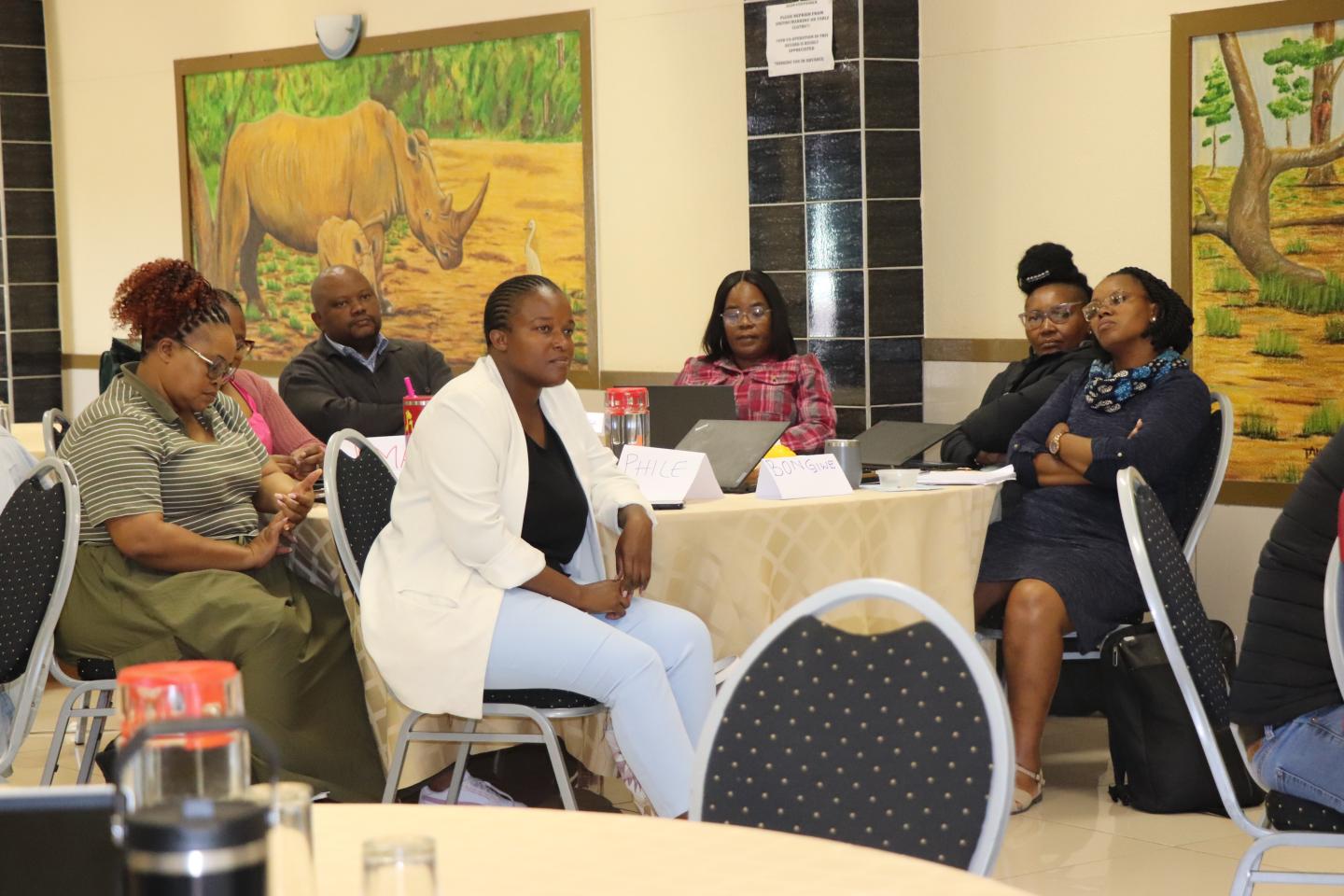
The training brought together programme staff from across the organisation to deepen their understanding of the CVA methodology and strengthen their capacity to facilitate meaningful community engagement. Through interactive sessions, participants explored key concepts such as participation, dialogue, collaboration, and social accountability, as well as practical approaches for supporting communities to engage effectively with local stakeholders.
By fostering cooperation and shared responsibility among stakeholders, CVA helps create an environment where communities can work together to address challenges and improve outcomes for children.
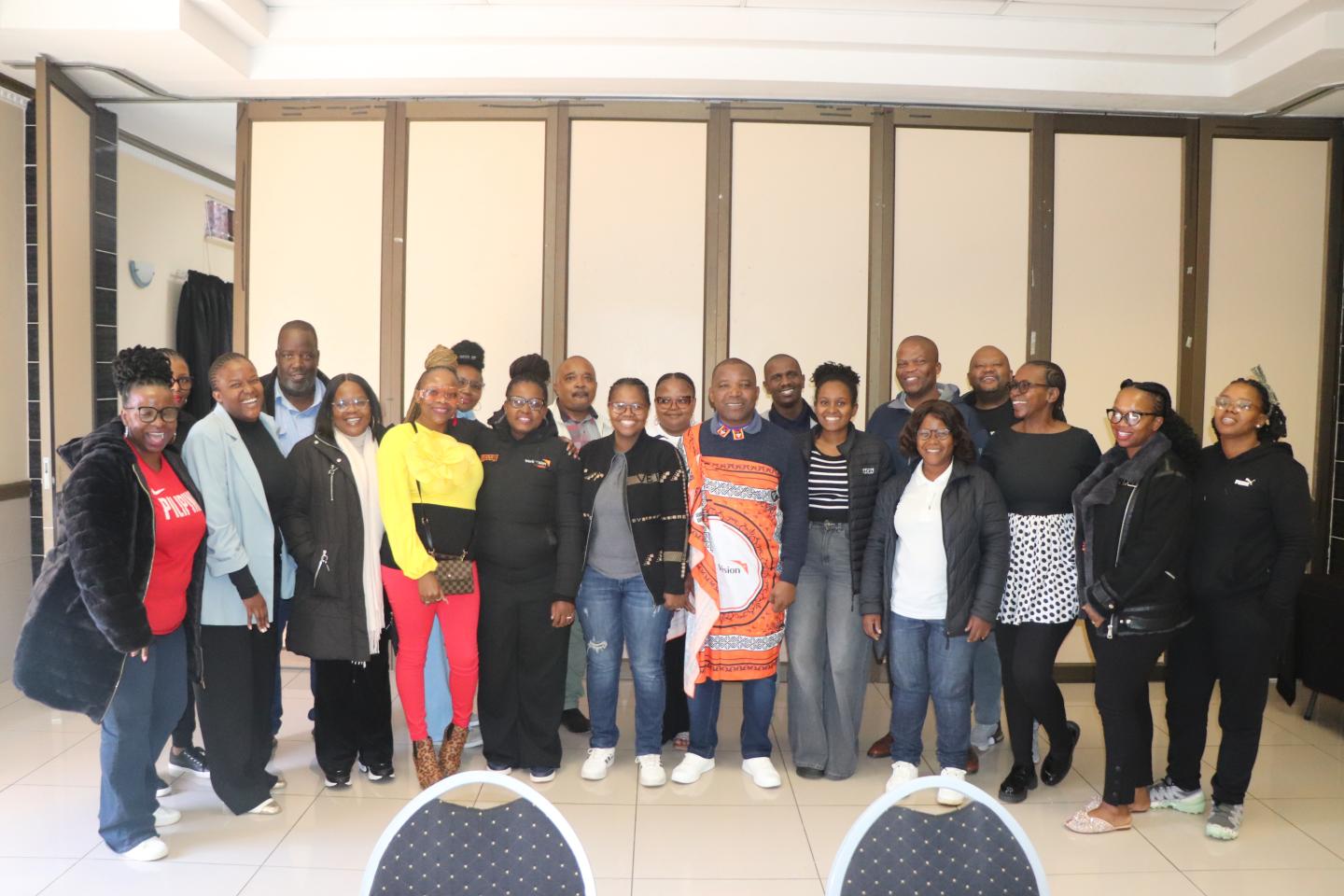
The approach places communities at the centre of the development process, encouraging local ownership and strengthening relationships between citizens, service providers, and government. Through informed participation and constructive engagement, communities are better positioned to contribute to the planning, monitoring, and improvement of services and programmes that impact their daily lives.
For World Vision Eswatini, strengthening staff capacity on Citizen Voice and Action is an important step towards supporting communities to become active partners in their own development journey. By promoting collaboration, dialogue, and collective problem-solving, the approach contributes to stronger, more resilient communities and an improved quality of life for children and their families.
During the course of the training, participants gained practical tools and strategies that will help them facilitate community-led processes that foster lasting and sustainable change.