
Hope at Last: Water for Life Project Delivers Safe Water to Jang Community
For decades, the children and families of Jang—a farming community in the Sawla-Tuna-Kalba District of the Savannah Region—struggled with limited access to clean water, relying on unsafe sources that exposed them to waterborne diseases and daily hardship.
As a result, women and children spent enormous amounts of their productive time searching for water, especially during the dry season. This has affected their economic and livelihood activities as well as children’s education.
For lack of water, observing hygiene guidelines in their totality was a challenge particularly for women and girls. Children's education too was affected. I am glad this has now become a thing of the past with the construction and installation of a solar-powered mechanised water system,” said, the Assembly Member for the community, Kipo Moses.
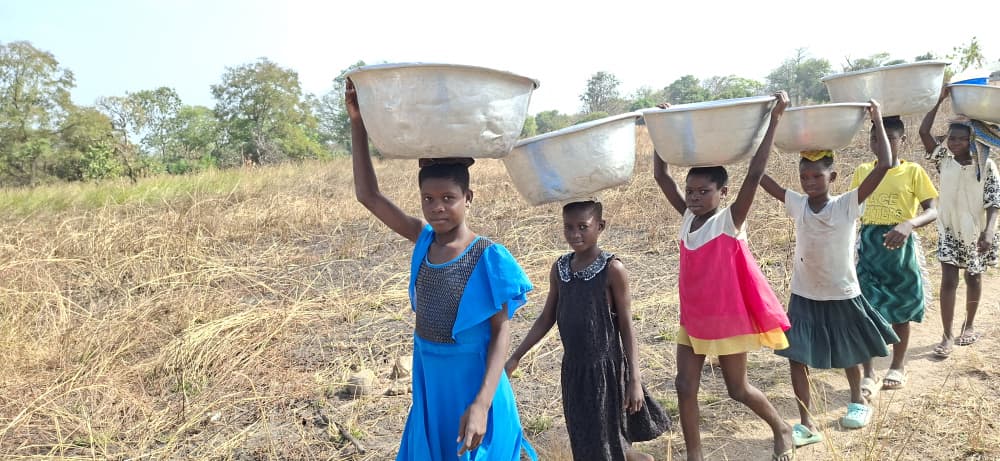
For the residents of this community, the facility is the best gift they have ever received, and it has already begun to redefine life in the community – women and children no longer trek long distances searching for water; each of them now has enough time to attend to their priority activities.
“World Vision Ghana and its funding partner, GIZ, have made this long-held dream a reality, and the people of Jang are grateful. We cannot thank these orgnaisations enough for the relief - our major burden of searching for water has been lifted,” said Boduwaa Budo Tane
The water crisis in Jang was affecting economic and livelihood activities, contributing to deepening poverty. Water-related illnesses—such as dehydration in children, diarrhoea, and malnutrition—continued to dominate health challenges in the community.
The situation was particularly severe during the dry season. “Children and women would wake up at dawn and trek several kilometres in search of water that was not even wholesome. By the time children returned, lessons had already begun, and many missed one or two,” a community member explained.
However, the construction and installation of the solar-powered mechanised water system will relieve the entire community—especially children and women—from the burden of accessing water.
“This facility will allow our children to stay in school and give women more time to attend to their economic, livelihood, and social activities. It will also reduce the burden of trekking long distances for hours in search of water,” a teacher added. “We are glad this story has changed, thanks to the Water for Life Project, which has brought safe and sustainable water solutions to the heart of the community,” said a farmer.
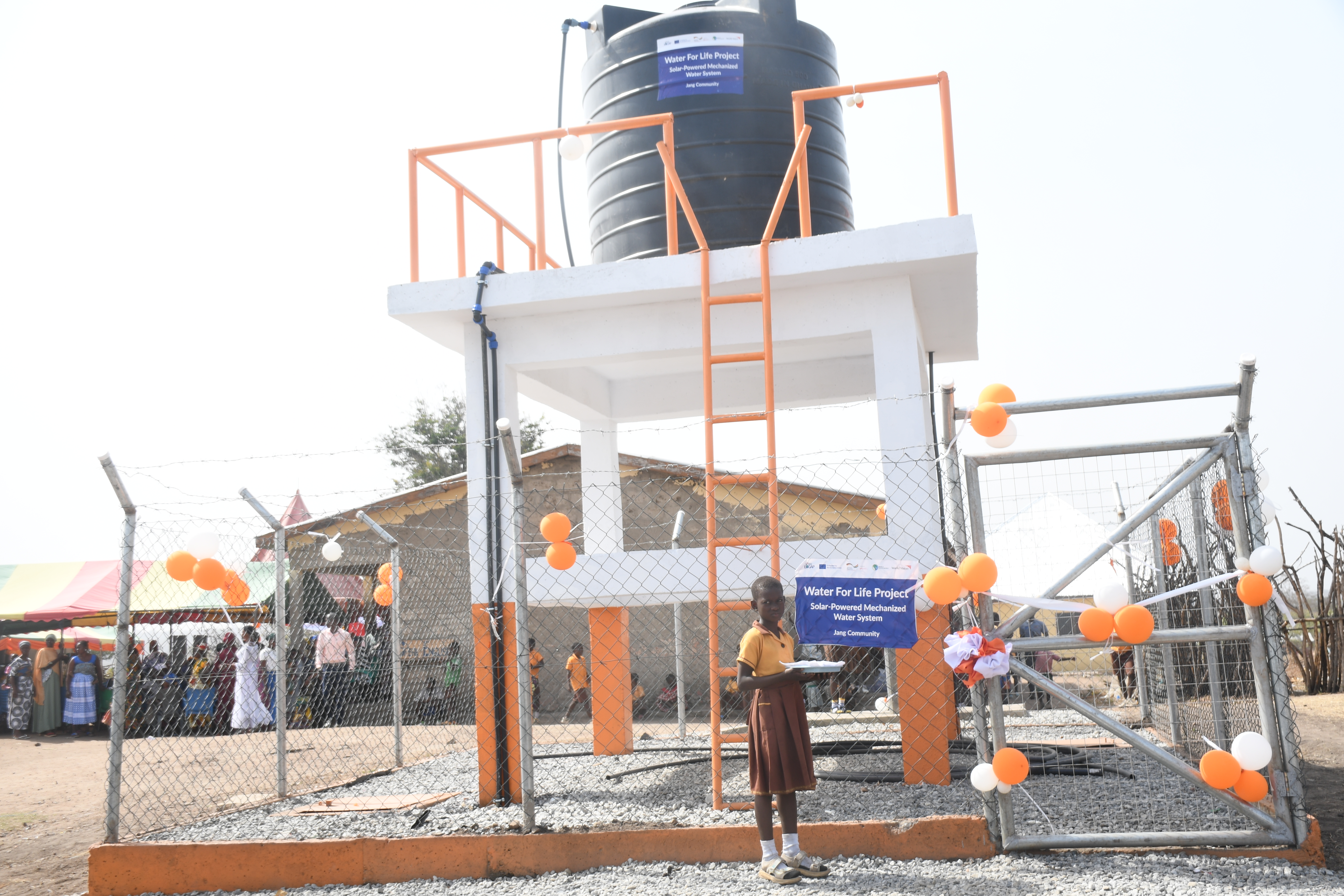
The project—implemented by World Vision Ghana with funding from GIZ, in partnership with the European Union Ghana Agricultural Programme (EU-GAP)—constructed and installed a solar-powered modern borehole system equipped with a storage facility. This will serve over 1,200 residents, including vulnerable children and women who previously walked long distances to fetch water.
“This is a dream come true,” said Madam Fati, a mother of four. “We will no longer fear for our children’s health. Clean water is right here in our community, and soon water-related illnesses will be a thing of the past.”
A Lifeline for Health and Education
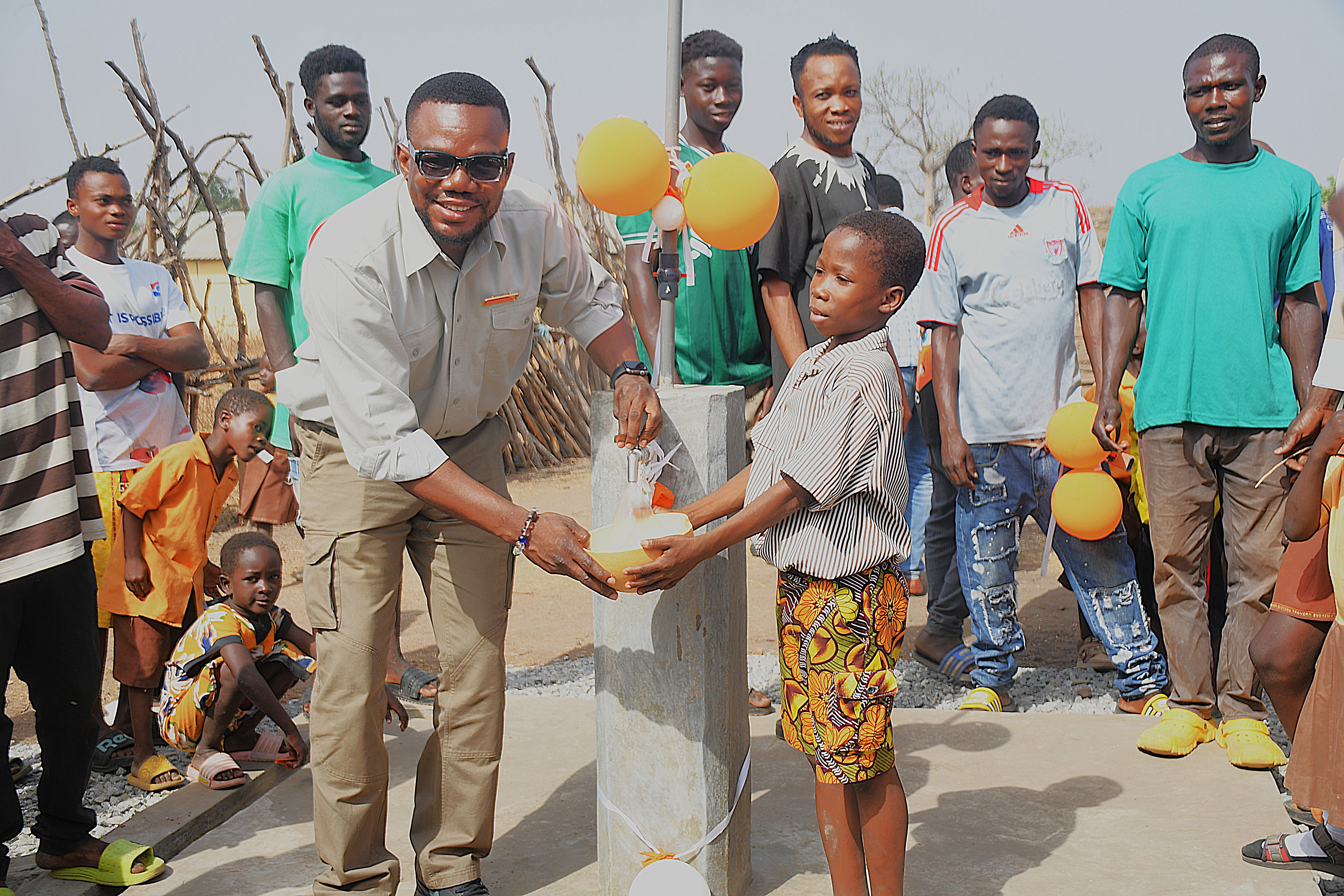
Before the project, frequent water-related infections such as diarrhoea and other waterborne diseases were common, affecting school attendance and household income. According to local health records, diarrhoea and typhoid cases were the most prevalent. School attendance among children was poor. The new facility will allow families to save money previously spent on treating water-related illnesses and redirect it toward food and education.
“We will see a remarkable improvement in community health with this new facility,” said the Savannah Region Environmental Officer. “Fewer cases of diarrhoea and typhoid mean families can focus on education and livelihoods instead of hospital visits,” he added.
Water for Life Project Manager Clemencia Akafoun said, “Access to clean water is the foundation for better health and development. Jang is now a model for what sustainable water solutions can achieve. This project also forms part of World Vision Ghana’s Universal Service Coverage plan to meet the water needs of communities in hard-to-reach areas of Ghana.”
Voices of Change
Community members are already expecting improvements:
“I used to wake up at 4 a.m. to fetch water before going to the farm,” shared Adamu Sulemana, a farmer. “Now, I can start my day earlier and spend more time on my crops.”
Amina, a 13‑year‑old student, said, “I will no longer miss school because of water. There is now a tap right on my school premises, and I have more time to study and play with my friends. I can wash my hands before eating.”
The Chief of Jang, Naa Yakubu, expressed gratitude: “This project has restored dignity to our people. Clean water means life, and we are thankful to World Vision and partners for making this possible.”
Community Ownership and Sustainability
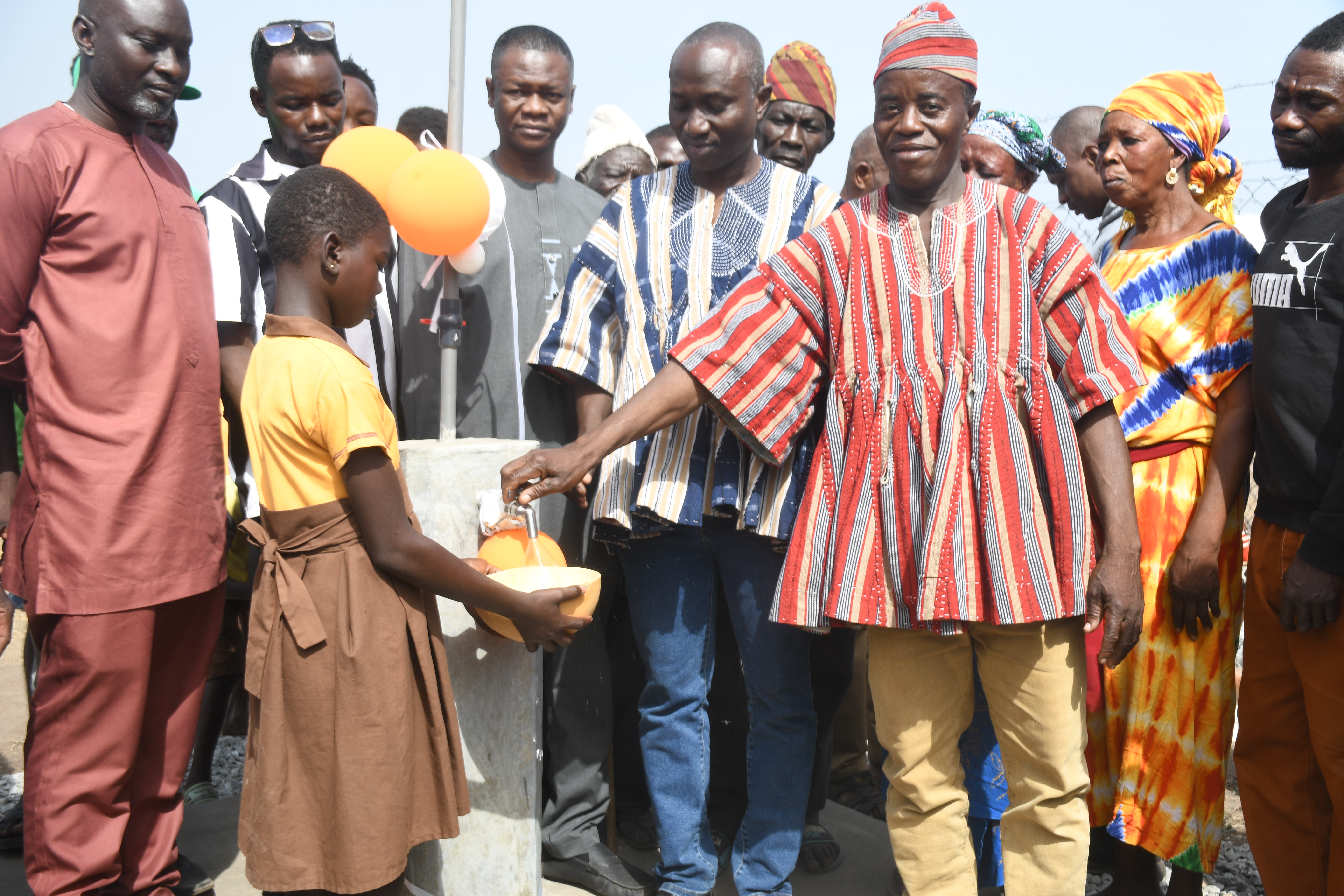
The Water for Life Project goes beyond infrastructure. It empowers the community through Water and Sanitation (WASH) Committees, which train residents to maintain the facility and promote hygiene practices. This ensures long-term sustainability and resilience against future water challenges.
Looking Ahead
World Vision Ghana remains committed to expanding access to clean water in hard‑to‑reach communities across the country. The success in Jang is a powerful reminder that safe water is not a privilege — it is a right.