
Giving Every Child the Best Start: Strengthening Breastfeeding Support in Cambodia

By: World Vision Cambodia
Across Cambodia, a concerning trend is threatening the health and well-being of the youngest children. Exclusive breastfeeding rates for infants under six months, once approximately 74% in 2010, declined to 50% in 2021. This decline has been driven by aggressive marketing of commercial milk formula, limited maternity leave, and the growing influence of digital misinformation that undermines confidence in breastfeeding. For many families, particularly in rural communities, these challenges increase the risk of illness, malnutrition, and poor child development.
To reverse this trend, World Vision, with support from the Else Kröner-Fresenius Foundation, is strengthening breastfeeding support through the Baby-Friendly Health Centre (BFHC) Initiative. By strengthening health systems, from national policies to community-level support, the initiative helps ensure that mothers receive the guidance they need from pregnancy through the first months of their child's life.
A mother's journey: Roeung's story
The impact of this initiative is reflected in the experience of Roeung Sreyphorn, a 20-year-old mother from Cheb District, Preah Vihear Province, who today has a health, active five-month-old son whom she has exclusively breastfeed since birth.
Her journey began long before childbirth. During her antenatal visits at Cheb Health Centre, Roeung learned about the Ten Steps to Successful Breastfeeding, the globally recognised WHO and UNICEF framework that prepares and supports mothers throughout their breastfeeding journey.
"The health centre staff encouraged and supported me to breastfeed correctly," Roeung recalls.
Immediately after delivery, trained midwives ensured uninterrupted skin-to-skin contact for the first 90 minutes and helped her initiate breastfeeding within the first hour of birth – critical practices that promote successful breastfeeding and improve newborn survival.
Transforming health centres into Baby-Friendly Facilities
Roeung is one of thousands of mothers benefiting from the Baby-Friendly Health Centre Initiative. What began in 2023 as a pilot in eight health centres has expanded to 34 health centres across Siem Reap and Preah Vihear provinces.
The initiative is strengthening maternal and newborn care by embedding breastfeeding support into routine health services through:
- Building health worker capacity: 126 midwives and nurses have received specialised training in breastfeeding counselling and support.
- Strengthening national systems: The project works closely with the Ministry of Health to strengthen national guidelines and promote implementation of Sub-Decree No. 133, which regulates the marketing of breastmilk substitutes.
- Creating supportive health facilities: Accredited Baby-Friendly Health Centres promote exclusive breastfeeding for the first six months and discourage unnecessary use of breastmilk substitutes unless medically indicated.
- Improving maternal care: More than 25,900 antenatal care visits have provided pregnant women with counselling on breastfeeding, maternal nutrition, and pregnancy care.
Supporting safe births: Since the project began, more than 5,600 babies have been born in participating health centres, where trained health workers provided Essential Early Newborn Care.
A warm chain of support beyond the health centre
The BFHC Initiative recognises that successful breastfeeding requires continued support after mothers return home.
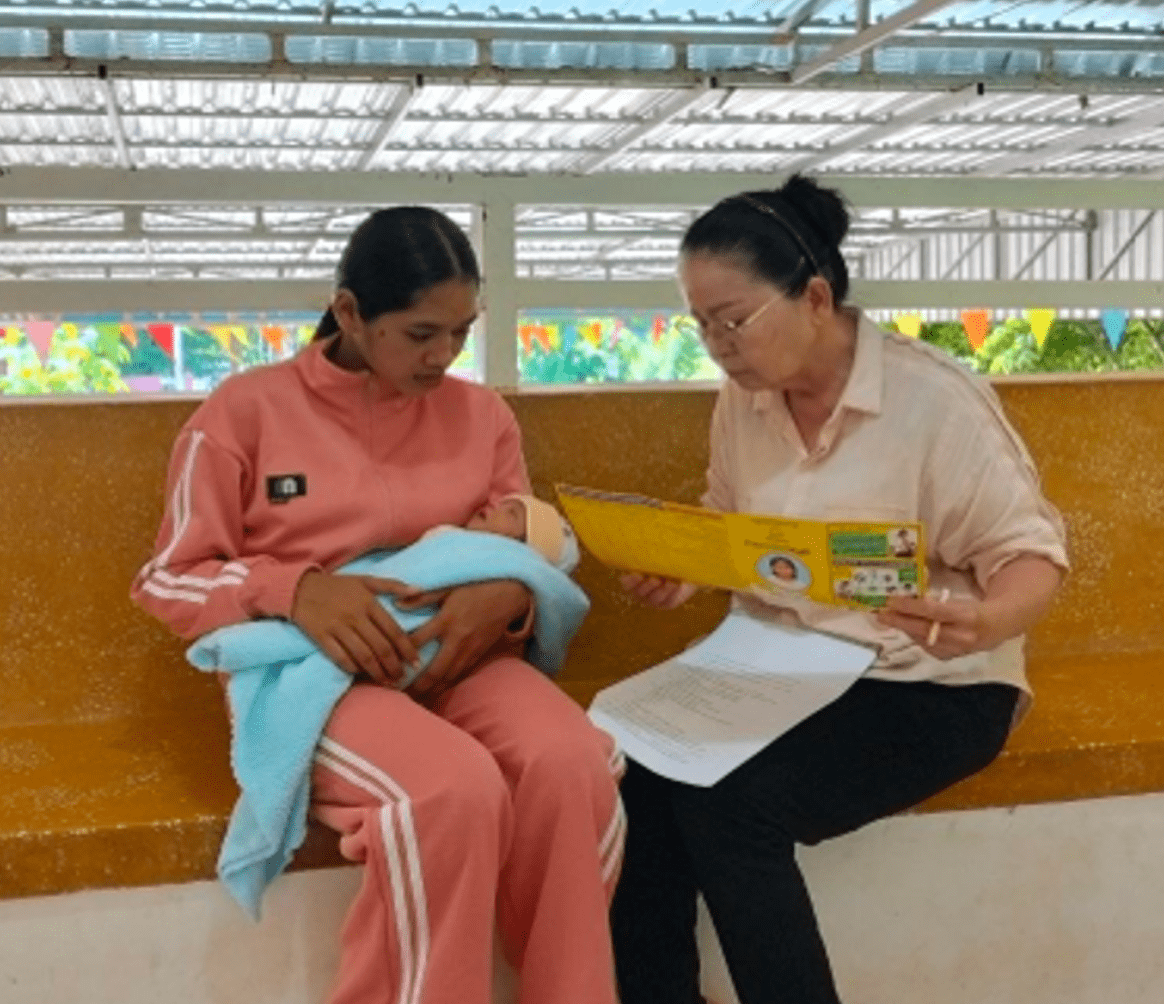
One week after giving birth, Roeung received a home visit from a trained lactation counsellor who assessed her baby's growth, observed breastfeeding techniques, and provided practical guidance and encouragement.
This “Warm Chain of Support" connects health facilities with communities through:
- 10 trained lactation counsellors, who have provided personalised counselling and home-based support to 879postpartum mothers experiencing breastfeeding challenges.
- 491 Village Health Support Group (VHSG) members, trained to provide ongoing breastfeeding counselling, encouragement, and referrals within their communities.
This continuum of care helps ensure that mothers are never alone during their breastfeeding journey.
Creating role models for healthier communities
Today, Roeung has become a role model in her community. She actively shares her knowledge and experience with other pregnant women and new mothers, encouraging them to exclusively breastfeed and seek support when needed.
Her story demonstrates that when mothers receive quality care during pregnancy, skilled support at birth, and continued guidance at home, children are given the healthiest possible start in life.
By investing in stronger health systems, building the capacity of health workers, empowering communities, and fostering supportive national policies, World Vision is helping Cambodia strengthen a culture of breastfeeding, ensuring that every mother is supported and every child has the opportunity to thrive.
This article was authored by World Vision Cambodia, drawing on insights from frontline health professionals and community partners involved in the project Promotion of Baby-Friendly Health Centres (BFHC) in Siem Reap and Preah Vihear Province, Cambodia, funded by the Else Kröner Fresenius Foundation.