
From crisis to care: Community nutrition hearths help mothers fight malnutrition in Narang

Narang, Haiti — Mothers in the Narang Area Programme are turning the tide on child malnutrition through community-run “nutritional demonstration hearths,” a practical, hands-on approach launched by World Vision in September 2024 as part of its Community-based Management of Acute Malnutrition (C‑MAM) programme. For families like Adafcar’s—displaced by violence from Port-au-Prince and now living far from basic services—the hearths are quickly becoming lifelines that teach, nourish, and unite.
Displacement and hunger converge
Two years ago, Adafcar fled armed gang violence in the capital and resettled in a remote village in Narang. Safety came with trade-offs: “There is nothing here—no basic services, no clinic, no work. The children are hungry and don’t eat well,” she says. Her three-year-old son, Judensley, began to lose weight and was frequently ill. With the nearest hospital in Maïssade far away, many parents, including Adafcar, hesitated to undertake the costly, time-consuming journey for routine care and nutrition support.
A community-led answer: the nutrition hearth
To close that gap, World Vision introduced the Nutritional Demonstration Hearth—small-group, mother-led sessions where caregivers learn to prepare nutritious meals with locally available ingredients, while receiving guidance on breastfeeding, hygiene, and early warning signs of malnutrition. “We provide practical education, peer support, and a safe space for mothers to learn how to prepare specific food and protect their children from malnutrition,” says Marie Judith Marseille, a World Vision staff member who facilitates the sessions with Nurse Jeanine and community volunteer Navard.
These gatherings are intentionally simple and close to home. They lower barriers for mothers who would otherwise struggle to access care and empower families with knowledge they can use immediately.
Learning by doing: inside a Friday hearth
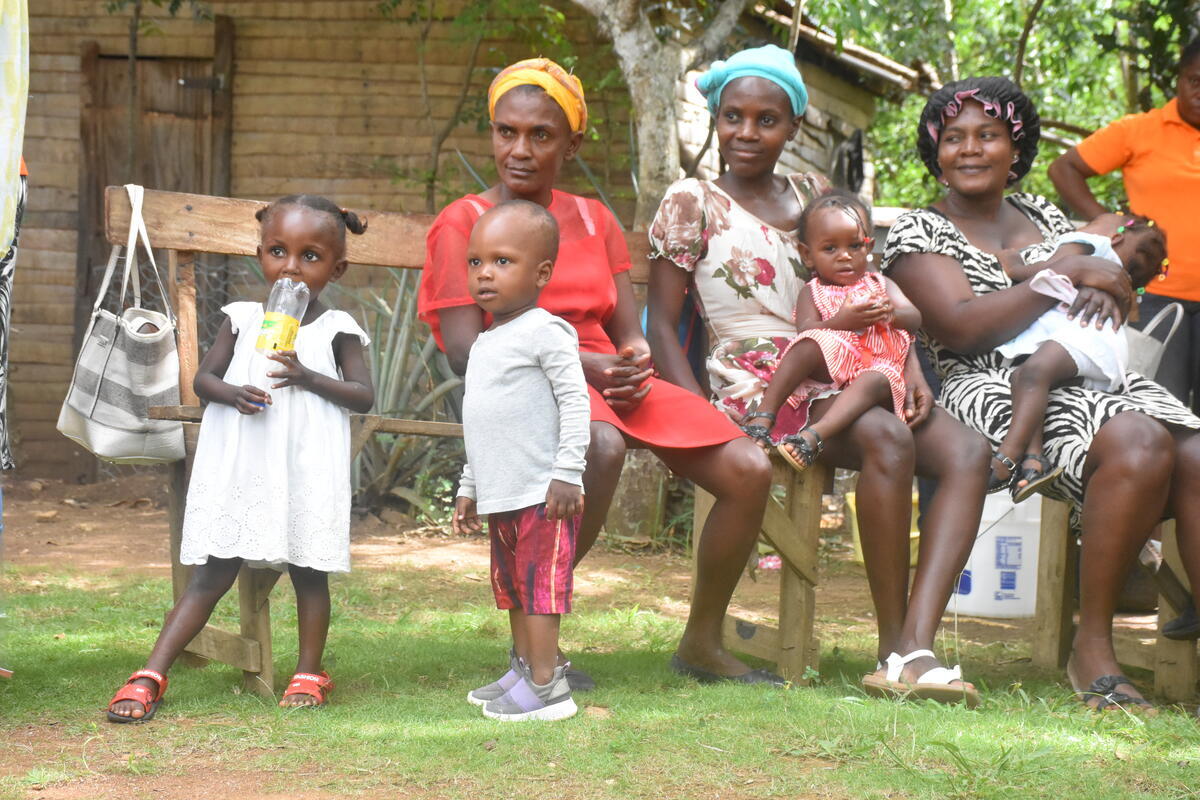
On a recent Friday, Adafcar arrived early with Judensley for a session hosted in a modest home. The room filled with the smell of wood smoke as mothers pooled ingredients—water, sugar, salt, flour—and firewood. “We soak the flour for several days,” Marseille explains, demonstrating a step that improves taste and digestibility for young children. Together, the group measured, stirred, and cooked a fortified porridge designed to meet the nutritional needs of children under five.
The approach is deliberately hands-on. Mothers practice proper portioning, safe food preparation, and responsive feeding; they ask questions and troubleshoot together. Facilitators reinforce key messages—exclusive breastfeeding for the first six months, handwashing at critical times, and when to seek help if a child shows signs of wasting, swelling, or persistent illness. For families spread across the area, the rhythm is predictable: Friday mornings become a standing appointment for learning and mutual support.
“I’ve seen how common malnutrition is here,” says Adafcar, watching her son sit quietly in his short pants, T‑shirt, and boots. “And without a health center nearby, it’s hard to improve our children’s condition.” The hearth is changing that—one recipe, one conversation, one shared meal at a time.
Early results: skills, confidence, and healthier children
While the hearths look like cooking classes, their impact reaches far beyond the pot. Mothers report growing confidence, stronger peer networks, and practical skills they can apply at home—recognizing early danger signs, preparing balanced meals with what’s on hand, and supporting one another through setbacks. These gains translate into better feeding practices and improved growth outcomes for children like Judensley.
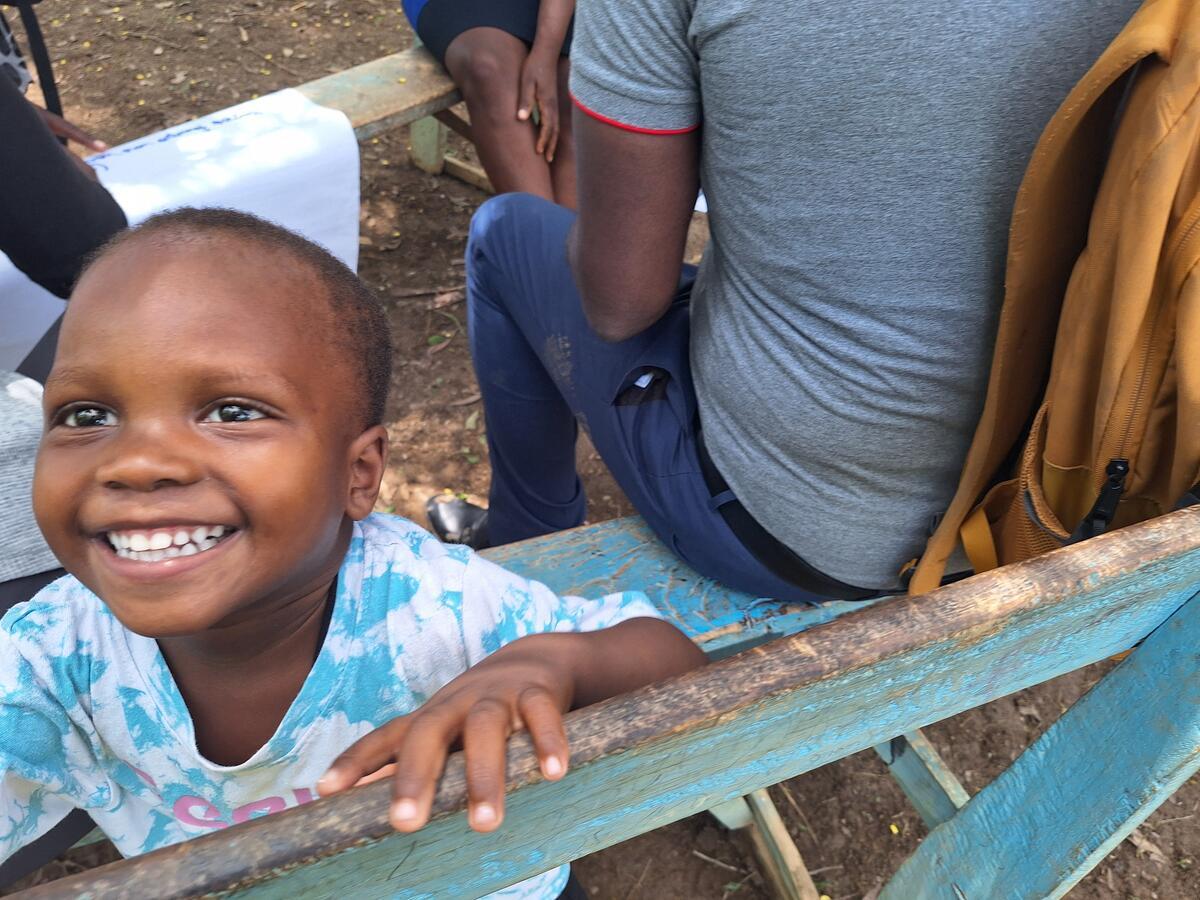
Thanks to steady participation, Adafcar’s son is now gaining weight, eating better, and smiling more. “I was worried and traumatized,” she says. “But now I feel supported. I have learned how to care for my child. And I love to practice what I have learned to take care of my son.”
Scaling hope: a network of mothers leading change
More than 90 mothers are now engaged in Narang’s hearth activities, building a grassroots network that strengthens child nutrition where health services are scarce. By rooting solutions in community leadership and everyday ingredients, the programme reduces reliance on distant facilities and helps families act early—before malnutrition becomes life-threatening.
In a context of displacement, scarcity, and uncertainty, the nutritional demonstration hearths offer something tangible: knowledge in mothers’ hands, warmth around a cooking fire, and practical care a child can taste. For Adafcar, the path from crisis to care is becoming clear. “I want my little boy to grow up strong and healthy,” she says. “And now, I know how to help him.”
As the C‑MAM programme continues across Narang, these community hearths are guiding families from despair to hope—one child, one meal, one mother at a time.