
Hope in a Milk Pail: Cow’s milk lifts a family from hunger to school in Northern Haiti

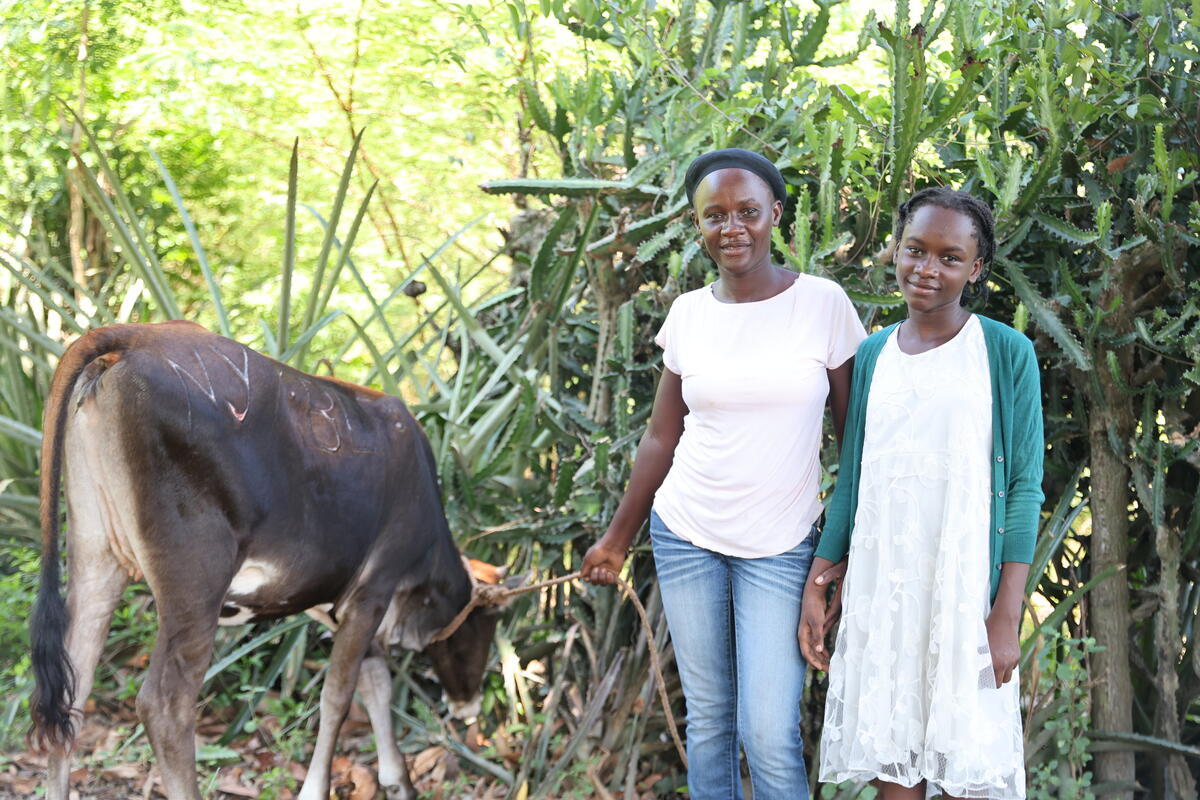
Malfety, Northern Haiti — A single cow has transformed daily life for 11‑year‑old Djenie Flore and her family, turning hunger into steady income and opening the door to school. Through a World Vision livelihoods initiative, her parents received a dairy cow and joined a “pay‑it‑forward” model that helps vulnerable families earn with dignity while passing the first female calf to another household in need.
From chronic hunger to reliable nutrition
Before the intervention, food insecurity shaped every day. Djenie, the eldest of three sponsored sisters—Djenaylove (8) and Wislène (6)—often faced meagre meals and the constant worry of going to bed hungry. Her stepfather, Micius (41), labored cutting wood for charcoal and plowing neighbors’ fields, yet earnings vanished quickly on basic necessities. “I thought I would always be hungry and that I would never learn anything,” Djenie says.
The gift of a cow changed the equation. Milk became the family’s first consistent source of food and income, improving diet quality at home while creating something they could sell daily.
A livelihood with dignity—and ripple effects
World Vision’s approach focuses on resilience, not short‑term relief. The cow—affectionately nicknamed “Hope”—was provided to Micius and Rose Carline, who had the capacity to care for livestock. Under the programme’s first‑female‑calf pass‑on commitment, families extend the benefit to others, creating a chain of solidarity that strengthens the wider community.
With buckets of fresh milk each morning, Rose Carline and Micius walk the neighborhood to sell the “precious liquid.” Each sale stretches beyond daily survival: it helps pay for school fees, uniforms, and supplies that once felt out of reach.
School doors open—and a backpack fills up
Regular meals brought stability; income brought opportunity. For the first time, the family could consistently cover tuition, uniforms, notebooks, and pencils. The shift is evident every school day. “I have my own uniform and my books. I love learning to read. It doesn’t feel like we are forgotten anymore,” says Djenie, now a fourth‑grade student.
Freed from the gnawing worry of scarcity, she can focus in class. The backpack that was once empty is now full—mirroring the renewed hope she carries into each lesson.
A child’s future, reimagined
The change is not only material but emotional. The family’s anxiety has eased, replaced by a clear plan and the pride of earning. For Djenie, dreams are growing larger. “Before, I dreamed of just having a notebook. Now, I dream of being a nurse. I want to care for people, just like my family was cared for.”
What began as a crisis of hunger has become a story of perseverance, partnership, and pay‑it‑forward generosity. The milk of “Hope” sustains more than a household—it fuels a pathway to education and dignity.
Community resilience in action
By investing in simple, locally viable assets, World Vision’s livelihoods approach helps families generate income, meet immediate needs, and build long‑term resilience. For Malfety, that means fewer empty plates, more children in classrooms, and a growing network of families ready to help the next neighbor succeed.
From a single cow to three full backpacks, the journey of Djenie Flore shows how practical support—grounded in dignity and shared responsibility—can break the cycle of poverty and brighten a child’s future.