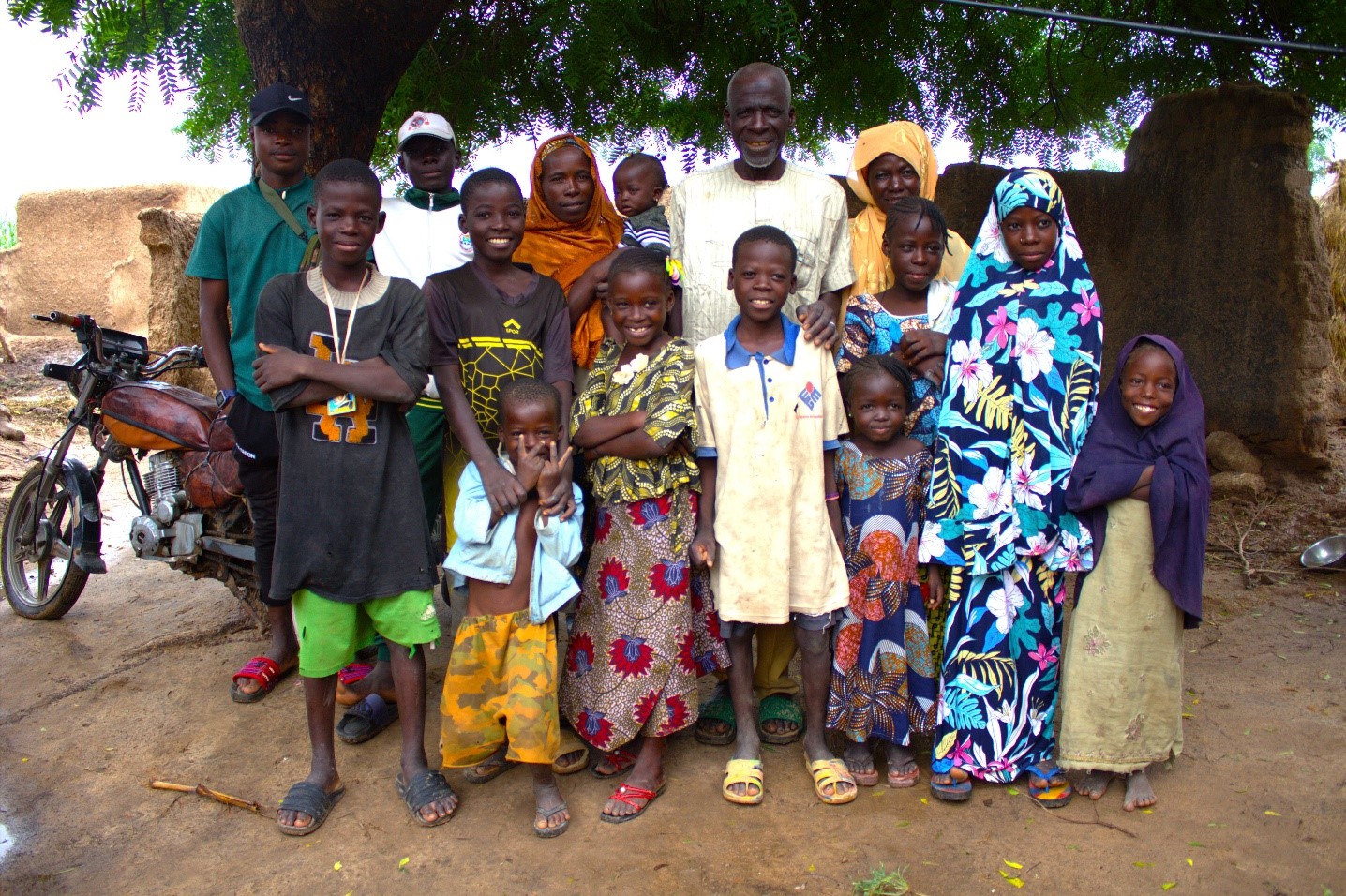
Harouna Yahaya's inspiring journey to resilience

Harouna's inspiring journey to resilience
The Guidan Roumdji department in southern Niger faces numerous socioeconomic and food-related challenges. This predominantly rural region is experiencing severe agricultural land degradation, chronic food insecurity and a lack of economic opportunities for vulnerable households. The village of Tchamro, located in this area, is no exception. It is in this challenging context that Harouna Yahaya's story truly comes to life.
"My name is Harouna Yahaya and I am from the village of Tchamro. Before, my life was truly miserable. My family lived from hand to mouth in complete poverty.'
Harouna, a father and farmer, saw his once fertile land become barren, invaded by Sida cordifolia, a harmful plant that suffocates crops. With no other source of income, he struggled to feed his children and wives.
"Our land was producing almost nothing anymore. And I had no other activity to compensate."
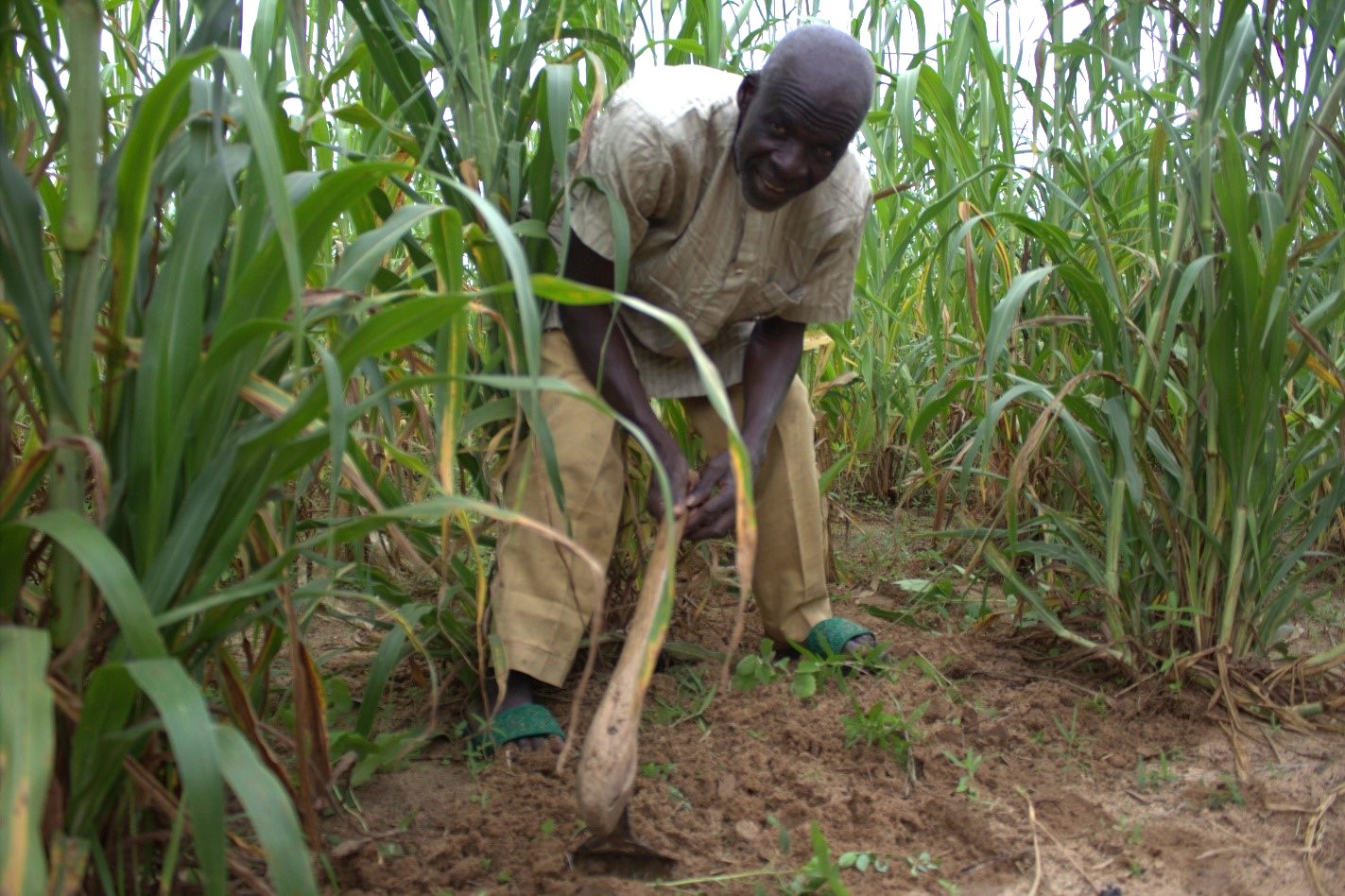
A decisive turning point came with the arrival of the Maradi Integrated Resilience Project, which was funded by the World Food Programme (WFP) and implemented by World Vision in the rural commune of Guidan Roumdji. Focusing on the reclamation of degraded land, the project offered local communities the opportunity to participate in paid work, such as removing invasive plants, digging half-moons and planting grasses and trees.
"At first, I wasn't even selected. But I begged Lawali to enrol me. Today, I thank God for his persistence.'
Thanks to his involvement in Food for Assets (FFA) activities, Harouna began to earn a monthly income of 19,500 CFA francs. Although modest, this income marked the beginning of a profound transformation: "With this money, I was able to feed my family and save some too. I saved up to 110,000 francs.'
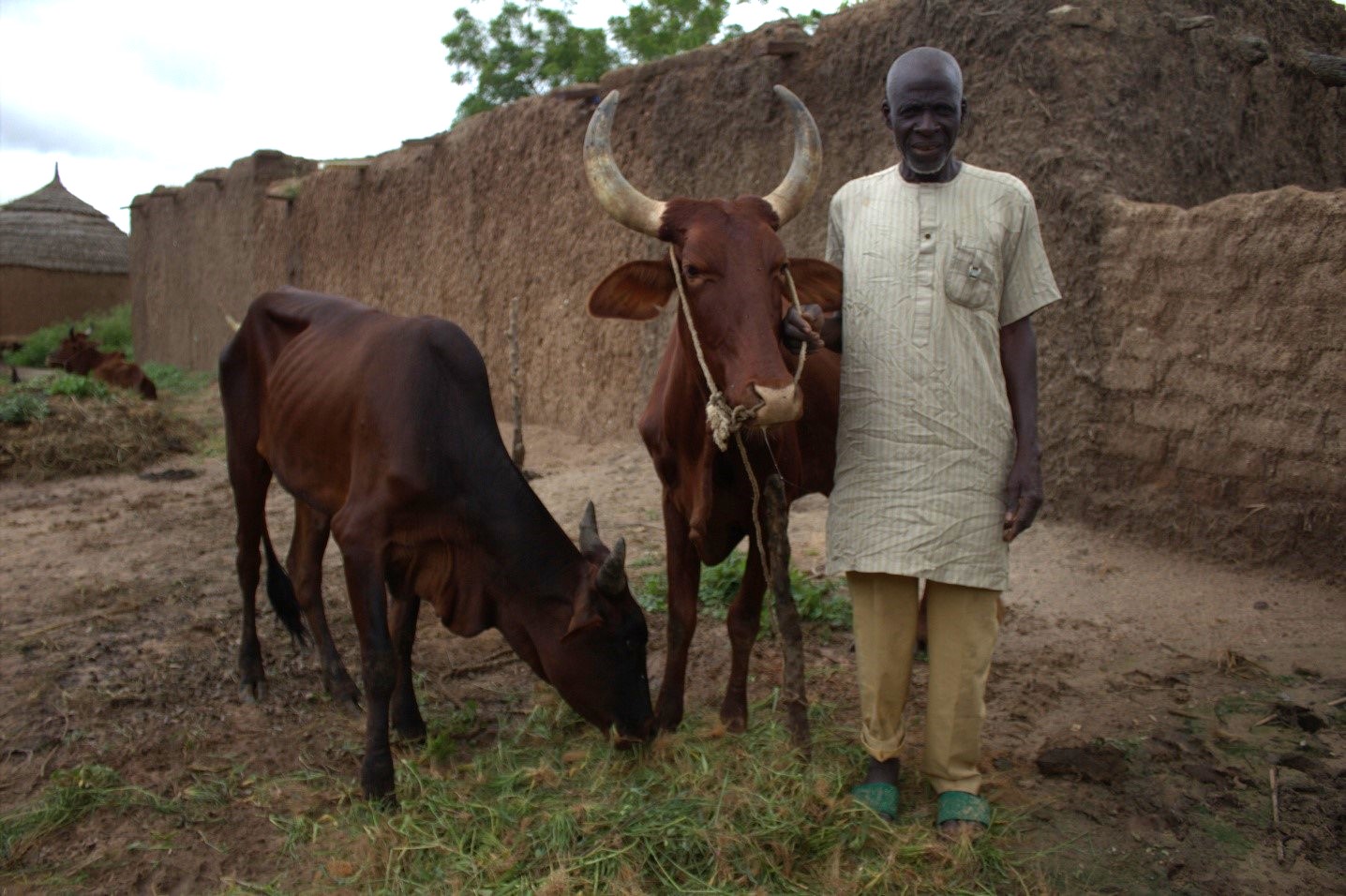
Using his savings, Harouna bought a cow that later gave birth to a calf. He also bought 25 bags of peanuts to plant on two plots of land. The harvest was exceptional: 40 bags of peanuts.
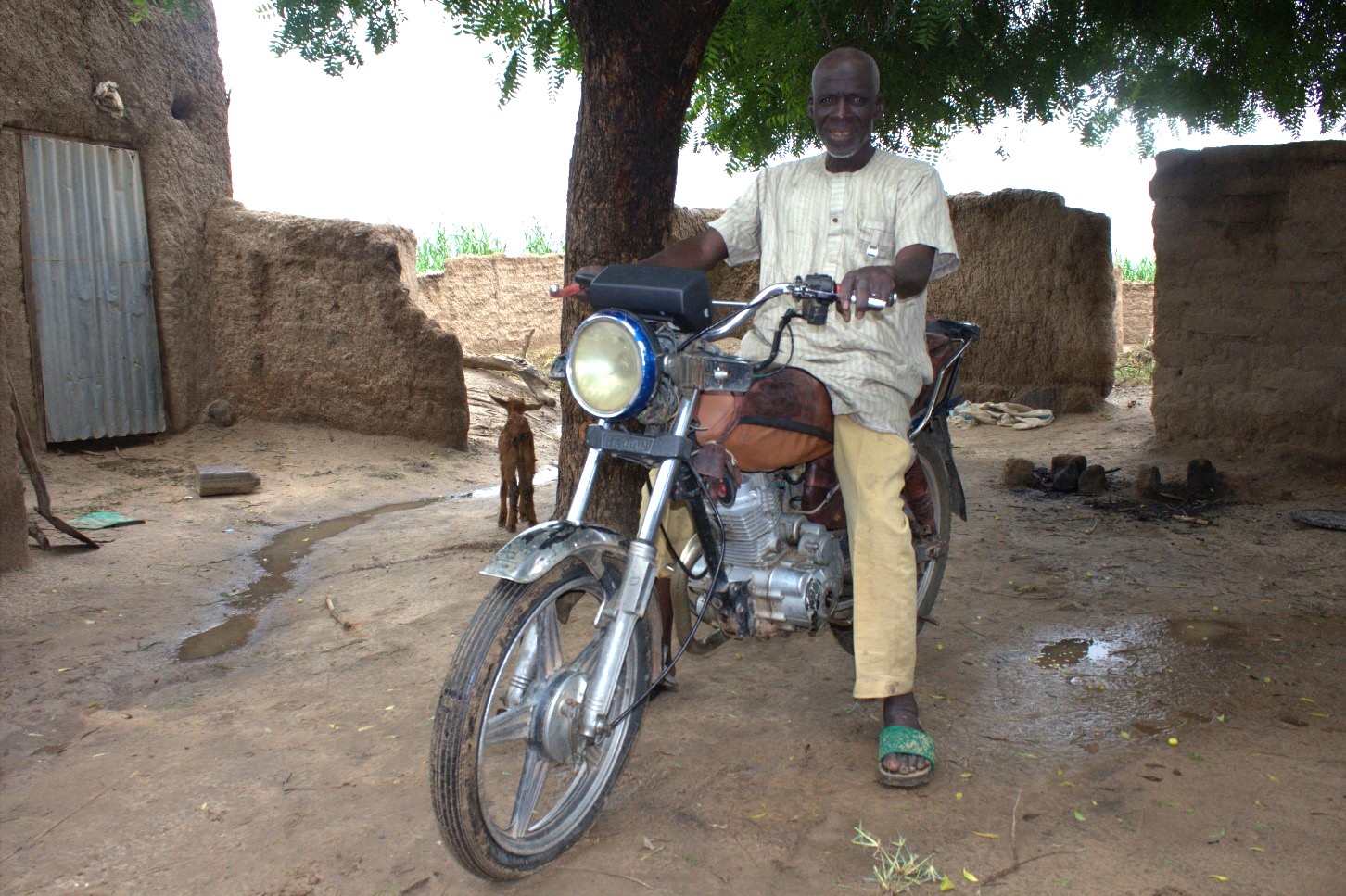
"I stored the bags until the price rose. Then I sold them and bought a motorcycle for 130,000 francs. The motorcycle is still there, and my cow is now in her third pregnancy.
Today, Harouna is a model of resilience in his village. He turned an opportunity into a springboard to economic independence: "I thank God for this business. It changed my life.' His message to his peers is clear: "I call on my compatriots: don't sit idly by. This project is an opportunity. It's not about remaining vulnerable and waiting for help. We must act to escape poverty.'