
Journalists Equipped to Lead the Fight Against Child Labour and Forced Labour in Lesotho

By Lebohang Takane, Communications Officer
World Vision Lesotho, in partnership with the Ministry of Labour and Employment and the Ministry of Gender, Youth and Social Development, this week hosted a two-day training for journalists at Thaba-Bosiu Cultural Village. Held from Monday to Tuesday, the training focused on strengthening the media’s role in addressing child labour and forced labour in the country. The initiative is part of the European Union-funded Accelerating Action for Eliminating Child Labour and Forced Labour (AECFL) project.
The workshop brought together 30 journalists from across Lesotho, equipping them with skills in ethical reporting, responsible storytelling, and effective advocacy on child protection issues. It forms part of a broader national effort to enhance the media’s capacity to raise awareness, influence decision-making, and promote the implementation of laws that safeguard children from exploitation.
Recognising journalists as influential voices in society, the training builds on ongoing efforts under the AECFL project to strengthen media engagement in child protection. By enhancing their knowledge and tools, the initiative aims to support journalists in shaping informed public dialogue and encouraging action toward ending child labour and forced labour. Ultimately, it contributes to a shared vision of ensuring that all children in Lesotho grow up in safe environments, attend school, and reach their full potential.
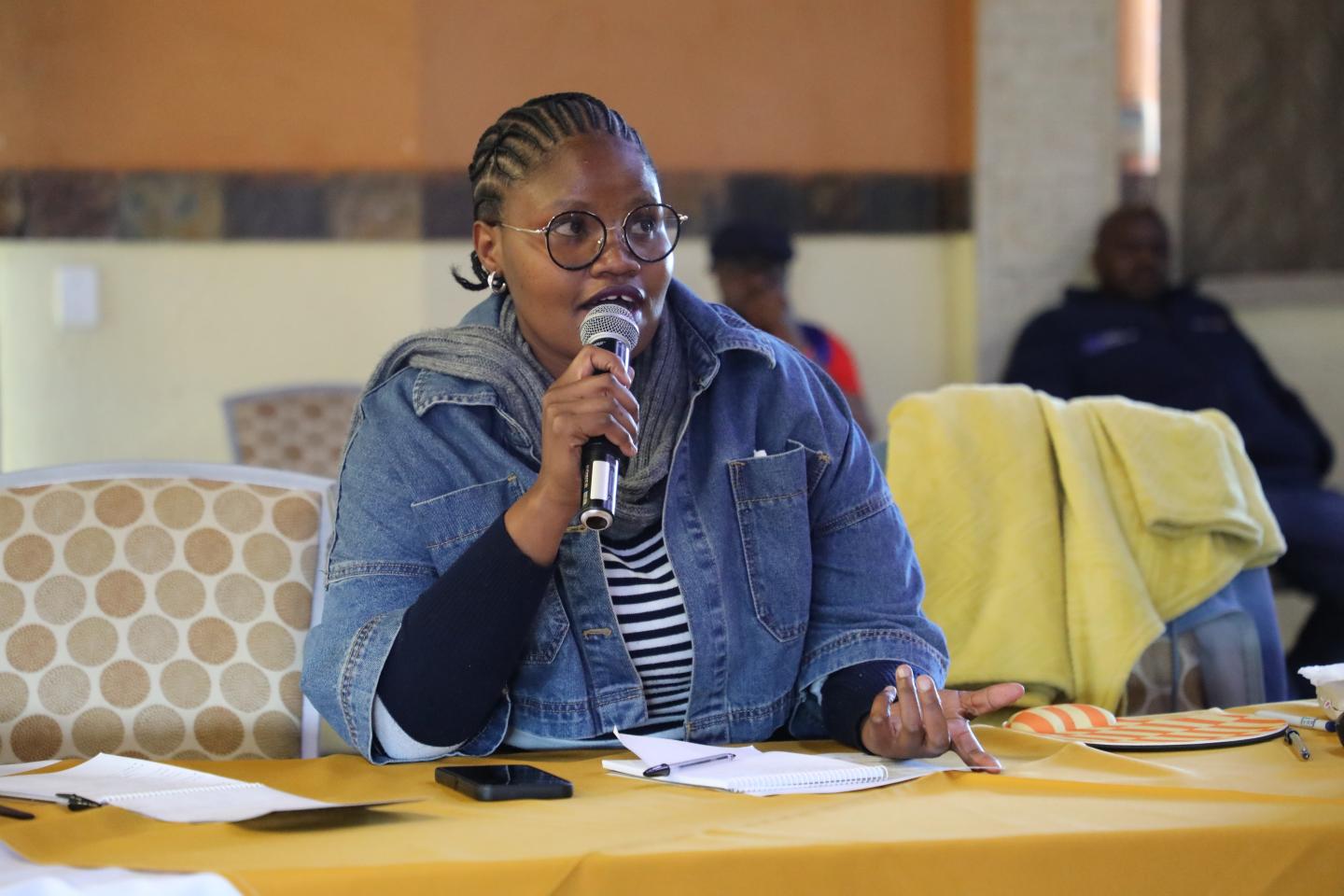
Journalists Reflect on Learning and Impact
Participants highlighted the significance of the training in deepening their understanding of child labour issues and reinforcing their role as advocates for change.
Ms. Relebohile, one of the journalists, said the workshop expanded her perspective: 'The training broadened my understanding of the realities many children and vulnerable people face in communities where child labour and forced labour still exist. Before the workshop, I understood these issues mainly from a general perspective, but the sessions helped me recognize the deeper social, economic, and human rights dimensions connected to exploitation.'
Another participant, Mr Ramabiletsa, emphasised the importance of ethical reporting: 'Attending the journalists’ training on child labour has strengthened my understanding of the important role the media plays in protecting children and promoting social change. I learned that reporting on child labour requires ethical journalism practices that prioritise children’s safety, dignity, privacy, and best interests.'
A third journalist, Ms. Lesia, described the training as particularly insightful in expanding technical knowledge: 'I found the training very informative as it deepened my understanding of child labour, especially the difference between light work and hazardous work.” She also went to add that the training has also strengthened her knowledge of the legal frameworks and reporting procedures, while improving her awareness of the importance of ethical journalism, particularly the need to protect the identity and dignity of vulnerable children when reporting on sensitive issues.
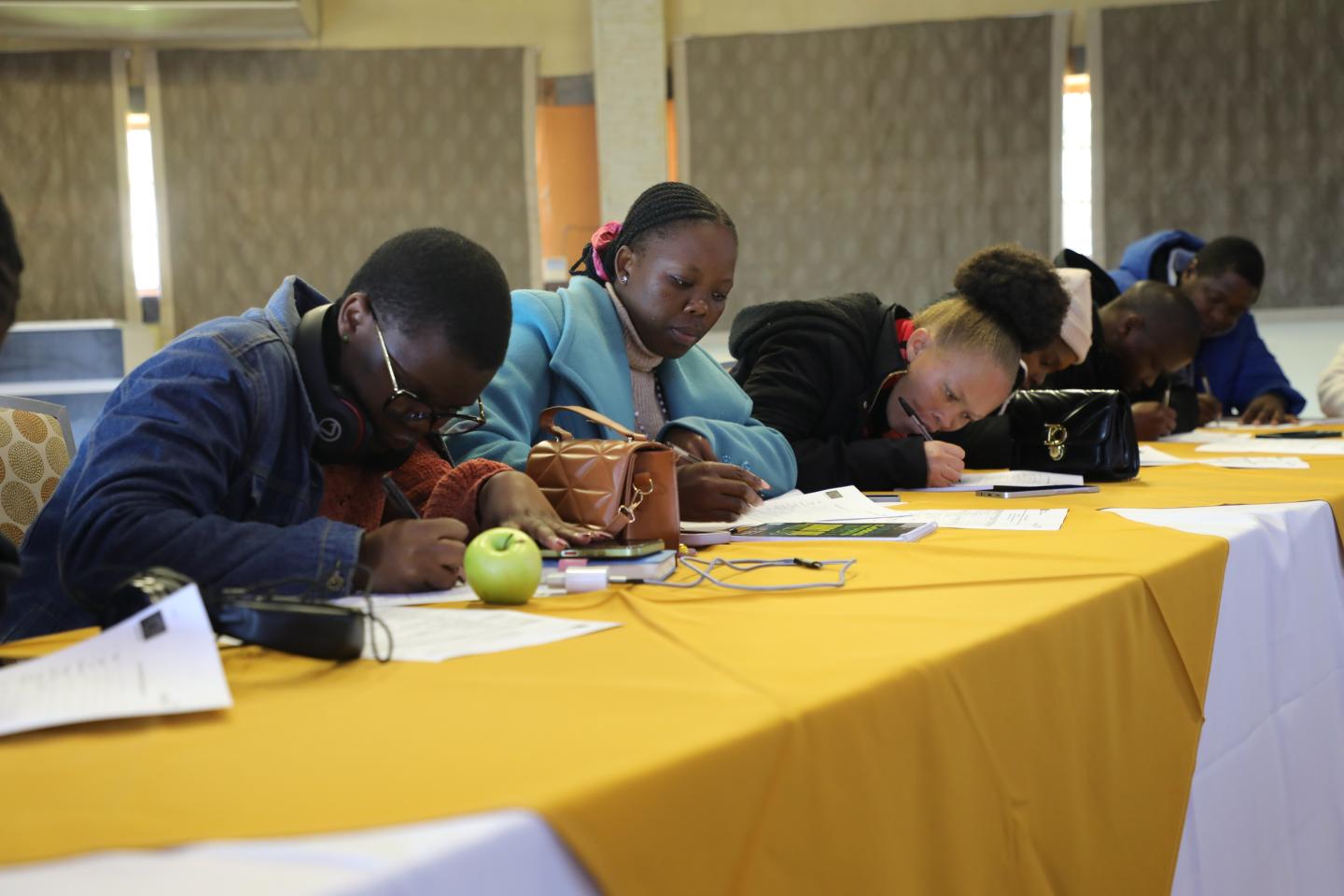
Strengthening Collective Action for Child Protection
The AECFL project, supported by the European Union and implemented by World Vision Lesotho, continues to drive efforts aimed at addressing the root causes of child labour and forced labour. Through awareness campaigns, support for affected individuals, and improved coordination among stakeholders, the project seeks to create a safer and more protective environment for children.
This training represents an important step in strengthening collaboration between the media, government institutions, and development partners. By equipping journalists with practical skills and knowledge, the initiative helps to ensure that reporting on child labour is accurate, ethical, and impactful.
As media practitioners return to their respective platforms, they carry with them a renewed responsibility to inform the public, highlight critical issues, and hold systems accountable. Their voices have the power to influence perceptions, inspire community action, and contribute to lasting change.
Through sustained partnerships and a shared commitment, efforts such as these continue to move Lesotho closer to eliminating child labour and forced labour, creating a future where children are protected, empowered, and given every opportunity to thrive.