
Localisation When It Mattered Most

By Elissar Gemayel, Director of Programmes and Response, World Vision Lebanon
When the escalation began on 2 March 2026, Lebanon did not have the luxury of time.
Within days, hundreds of thousands of people were on the move. Schools became collective shelters. Communities opened their homes to displaced families. Municipalities managed unprecedented pressures as displacement surged. Volunteers stepped forward to support distributions, shelters, and community outreach. Communities themselves became responders, opening their homes and sharing what little they had with those who had lost everything. By mid-March, displacement had exceeded one million people, stretching communities and services across the country.
As we mark World Humanitarian Day, it is worth reflecting on a simple truth that the Lebanon response reinforced: humanitarian action is most effective when local actors are not treated as implementers of someone else's response, but as leaders of their own.
For years, the humanitarian sector has spoken about localisation as a commitment. In Lebanon, the events of 2026 demonstrated why it must become a reality.
Localisation Is Not About Proximity Alone
It is often said that local actors are the first responders. While true, this description does not fully capture their contribution.
Local organisations were not simply first on the scene because they were geographically closer. They were able to respond because they possessed something that cannot be imported during a crisis: trust, relationships, contextual understanding, and a long-term commitment to the communities they serve.
When roads were damaged, access routes changed daily, and displacement patterns shifted rapidly, local actors knew where vulnerable families had gone. They understood community dynamics, and the practical realities facing families trying to survive another crisis in a country already burdened by years of economic hardship and instability.
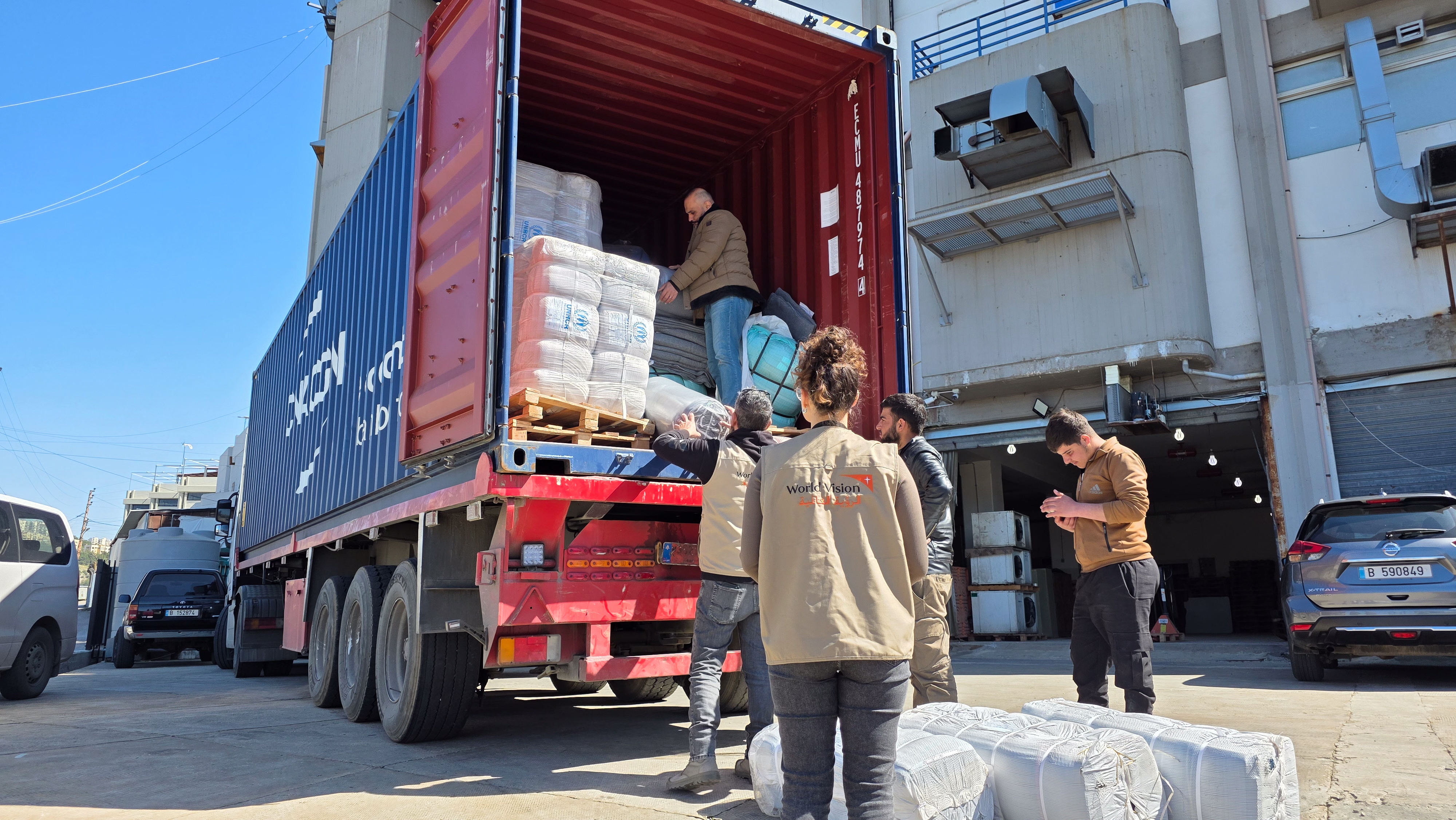
For World Vision Lebanon, localisation was not an aspiration activated during a crisis; it was a way of working that had been built over years of partnership and investment. Throughout the response, World Vision Lebanon worked through more than 22 local partners across multiple sectors and governorates, applying a partner-led delivery model in which local organisations led frontline implementation and community engagement while World Vision provided technical support, safeguarding, accountability systems, and donor compliance oversight.
Our local partners brought far more than implementation capacity. They brought trust, contextual understanding, community acceptance, and the ability to adapt quickly as circumstances changed. When displacement patterns shifted overnight, local actors knew where families had moved. When access became challenging, they understood how to navigate local realities. When needs evolved, they helped shape solutions informed by the lived experiences of affected communities.
Local Leadership Across the Response
The response also highlighted the critical role of national and local institutions.
The Ministry of Social Affairs (MoSA) played a central leadership role throughout the crisis, coordinating national response efforts and working with humanitarian actors to support affected populations. At a time when needs were escalating rapidly, national leadership provided an essential anchor for coordination, prioritisation, and collective action.
Equally important was the pivotal leadership role of municipalities and Disaster Risk Reduction (DRR) Units. Across the country, DRR Units became a critical bridge between communities, local authorities, and humanitarian actors. They supported preparedness, facilitated coordination, identified emerging needs, and helped ensure that assistance reached the most vulnerable populations.
The response also underscored the contribution of a diverse ecosystem of local actors. Women-led organizations, organizations of persons with disabilities, youth groups, faith actors, and community-based organizations played critical roles in identifying needs, reaching marginalised populations, mobilizing volunteers, and sustaining community support networks. Their presence, trust, and understanding of local realities enabled more inclusive and contextually relevant responses. Together, these actors demonstrated that effective humanitarian action relies not only on formal institutions, but also on the strength of community-rooted structures that exist long before crises emerge and remain long after they subside.
Too often, these structures operate quietly in the background. Yet during the response, they demonstrated the value of investing in local preparedness and local response capacities long before a crisis occurs.
The speed and effectiveness of the response owed much to these actors who were already embedded within the communities they served.
Moving Beyond Subcontracting
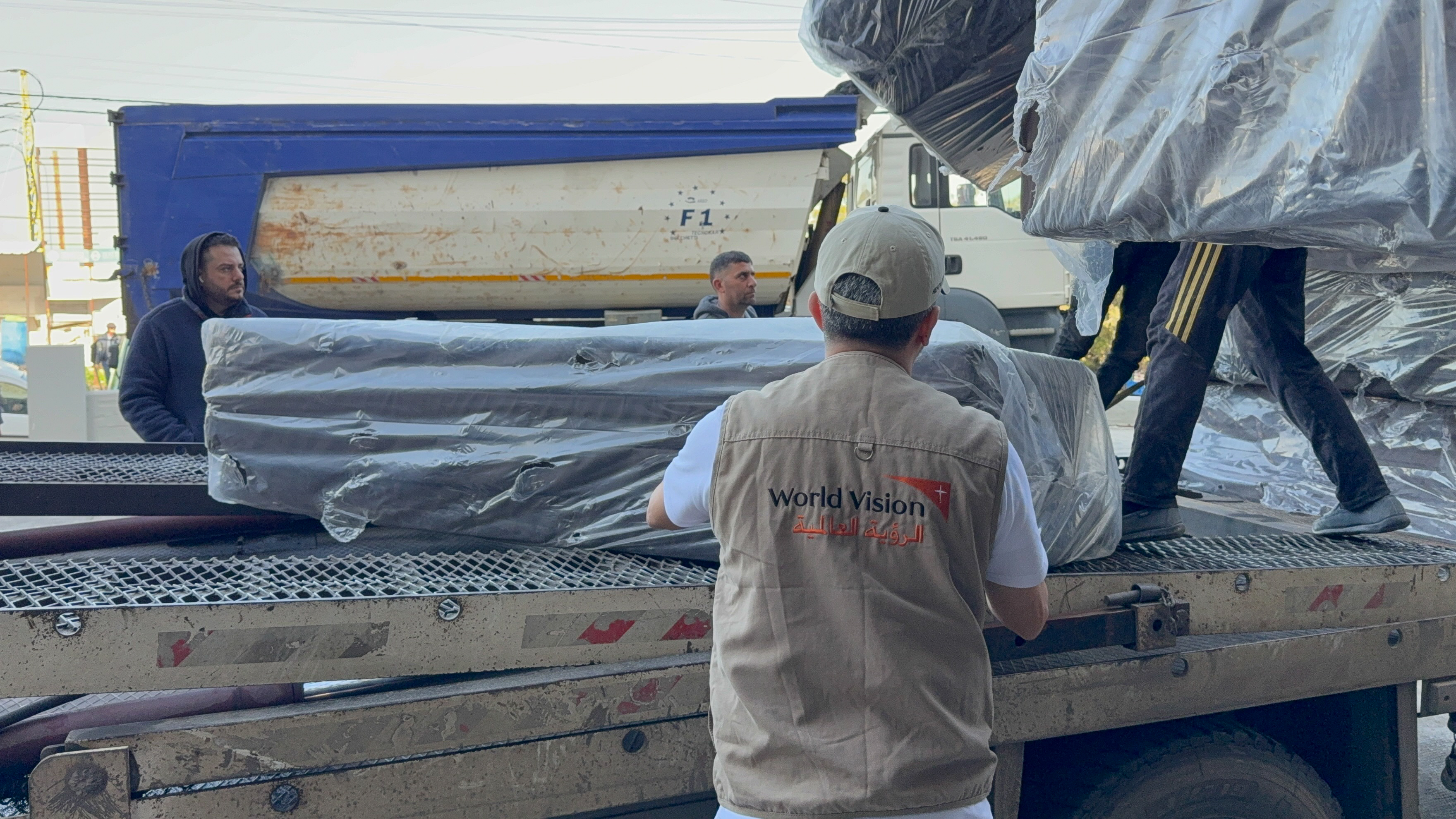
The humanitarian sector often celebrates localisation while maintaining structures that concentrate decision-making, resources, and risk with international organisations. True localisation requires something deeper than increasing the number of local partners in a project. It requires a shift in power.
This means recognising local organisations as strategic actors capable of shaping response priorities, influencing programme design, and making decisions about how assistance is delivered.
During the Lebanon response, local partners contributed not only to implementation but also to needs analysis, programme adaptation, community engagement, and operational problem-solving. As the crisis evolved, their insights helped humanitarian actors understand changing displacement patterns and the realities facing communities seeking to return to conflict-affected areas.
The question is no longer whether local organisations have the capacity to lead. The question is whether the humanitarian system is willing to create the space for them to do so.
Localisation Requires Risk Sharing
Perhaps the most overlooked dimension of localisation is risk.
Too often, humanitarian systems transfer operational responsibility to local actors while retaining decision-making authority. Funding, visibility, and control remain concentrated at international levels, while local organisations carry the greatest exposure to security incidents, community tensions, reputational risks, and operational uncertainty.
The events of 2026 reminded us that localisation cannot mean transferring risk without transferring power.
Equal partnership requires equal ownership of decisions, transparent dialogue about risks, and investment in the institutional capacities that enable local organisations to navigate complex humanitarian environments safely and sustainably.
Risk sharing means recognising that local actors should not only absorb operational risks; they should also have a meaningful voice in determining how those risks are managed.
Communities Are Not Beneficiaries of Localisation—They Are Its Foundation
One of the strongest lessons from the Lebanon response was that localisation extends beyond organisations..
In a country already facing multiple crises, families welcomed displaced families into their homes. Community kitchens provided meals. Volunteers gave their time. Teachers, social workers, health workers, and community leaders became sources of stability and hope.
These acts may never appear in response dashboards or donor reports. Yet they represent the very essence of humanitarian action.
The response was not only about what was delivered. It was about how people cared for one another.
The Future of Humanitarian Action
Today, as displacement from the March escalation gradually shifts into a more protracted reality, many families remain unable to return because of extensive damage to homes, infrastructure, and essential services. Recovery will require long-term commitment, local leadership, and sustained investment.
The future of humanitarian action in Lebanon will not be determined solely by the volume of funding mobilised or the number of projects delivered. It will depend on whether we are willing to build a system that genuinely values local leadership, shares power more equitably and recognises that those closest to a crisis are often best positioned to shape the solutions.
On this World Humanitarian Day, we celebrate all humanitarian workers. But we also recognise the local organisations, community leaders, volunteers, municipalities, and citizens who stood at the forefront of Lebanon's response.
Their role is a reminder that localisation is not a destination. It is a choice; one that requires courage, trust, and a willingness to rethink how humanitarian action is led.
Because when crisis strikes, the most resilient humanitarian system is not the one that arrives first. It is the one that was already there.