
A River, A Dream, and a Future for Lebanon's Children: Reflections from Akkar

By Heidi Diedrich, World Vision Lebanon National Director
Some field visits leave a mark on your heart. I had the privilege of travelling to Akkar in Lebanon with one of our Advisory Council members, Wissam Fahed, and I left feeling both humbled and hopeful. Not only because of what I saw, but because of what it represents for Lebanon's children.
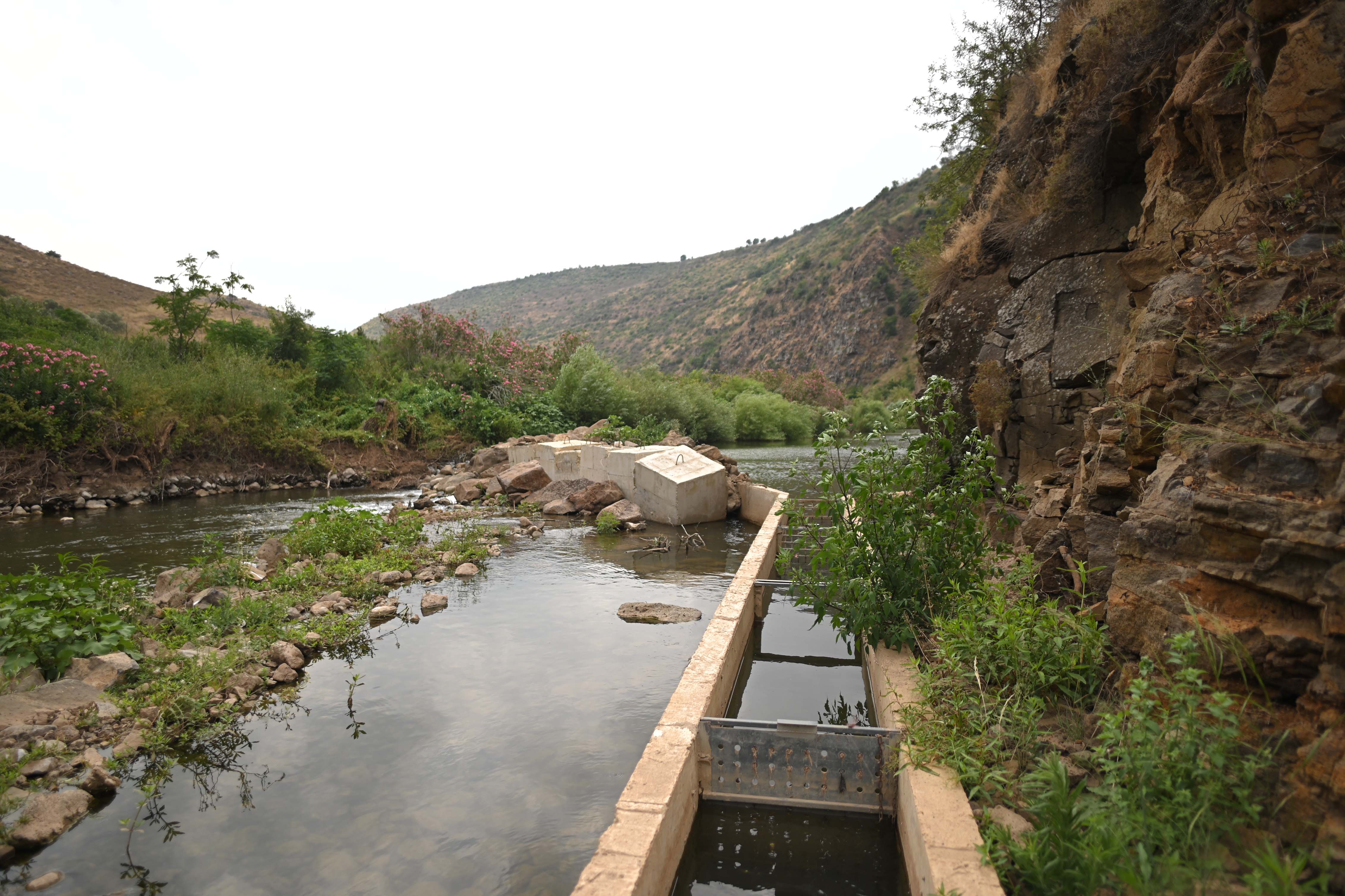
Standing on the banks of a river that has sustained communities for centuries, I found myself reflecting on the future. Across the water, Syria. Behind me, a centuries-old irrigation structure that had once fallen into disrepair and now flows with life again. Around me were farmers, community leaders, faith leaders, engineers, municipal representatives, and World Vision Lebanon colleagues who refused to give up on a dream many believed was impossible.
What I witnessed was not simply an irrigation project. It was a story about children..
Because when a family can continue farming its land, children are more likely to stay in school. When livelihoods are protected, families are less likely to be forced to leave their communities. When water flows, crops grow. And when crops grow, children have a better chance to thrive.
In Menjez and Kfarnoun, a restored and modernised irrigation system is now bringing reliable water to more than 175 farmers and supporting over 1.5 million square metres of agricultural land. At a time when water scarcity and climate pressures continue to threaten livelihoods, this project is helping families remain on their land, grow their crops, and build a future for the next generation.
 But what moved me most was the people behind it. The monks and church leaders who opened their land and embraced a shared vision. The municipalities who stood behind the initiative. The farmers who never stopped believing. The development partners who invested in something that would create long-term change. The local workers, many of them women, who helped bring this vision to life.
Every person contributed something. Every partner brought a piece of the solution. Together, they achieved something that none could have accomplished alone.
As I stood there looking at the restored structure, I couldn't stop thinking about the generations who came before us, and the generations who will come after us. Centuries ago, communities built these systems to bring water, life, and prosperity to this land. Today, we have honoured that legacy and extended it, ensuring that today's children and tomorrow's children can continue to benefit from it.
This feels deeply symbolic of Lebanon itself. This country has endured crisis after crisis. Economic collapse. Conflict. Displacement. Political uncertainty. Yet everywhere I go, I meet children who still dream, families who still hope, and communities who continue to invest in the future despite overwhelming challenges.
Lebanon is resilient. Not because its challenges are small, but because its people are extraordinary. We are often asked what we are doing for Lebanon and for Lebanese communities. The answer is that there are extraordinary things happening every day.
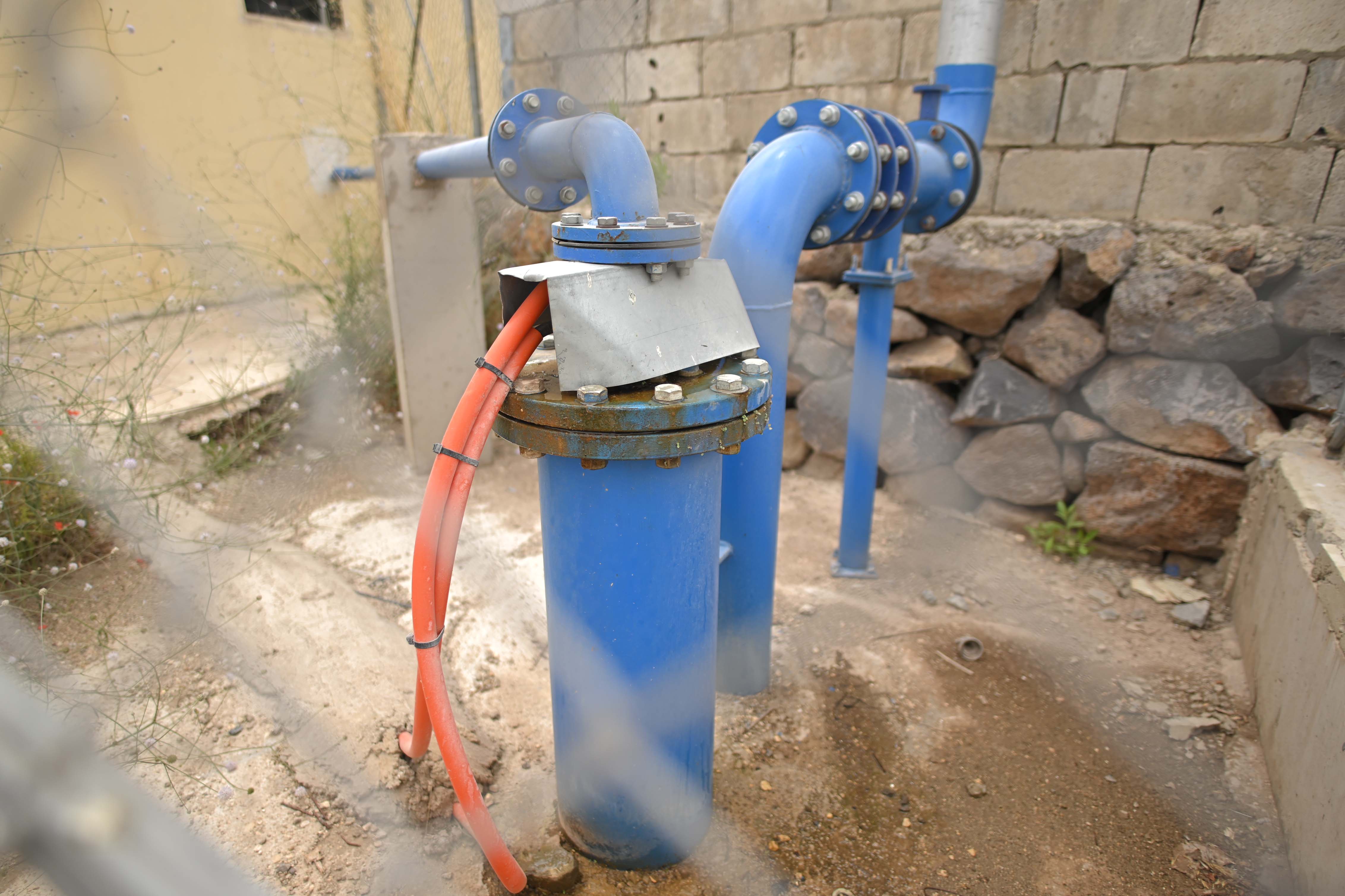
There are communities restoring water systems. Farmers adapting to climate change. Young people learning to care for their environment through Eco-Clubs and community regreening initiatives. Parents working to provide better opportunities for their children. Local leaders investing in the future of their villages.
These stories deserve to be told. And they deserve to be supported.
The future of Lebanon's children will not be secured through humanitarian assistance alone. It will be secured through sustained partnerships that strengthen communities, improve food security, protect natural resources, create economic opportunities, and help families build lasting resilience.
Leaving Akkar, I felt immense gratitude, to our Advisory Council member, for witnessing this journey with us, to the partners who believed in the vision, and to the communities who remind us every day why this work matters.
If you care about Lebanon's children, partner with those investing in their future.
Invest in communities. Invest in resilience. Invest in local leadership. Invest in solutions that allow families to stay on their land, earn a living, and create opportunities for the next generation. Because when communities, local leaders, faith institutions, donors, and development organisations come together around a shared purpose, remarkable things can happen.
I saw that possibility in Akkar. And it left me believing more strongly than ever that Lebanon's greatest asset is its people, and its greatest opportunity is the generation of children who will inherit what we choose to build today.