
Before They Fled: How Early Action Protected a Childhood Stolen by Crisis

Eight-year-old Ali still remembers that night. There wasn't time to decide what to take. Adults were shouting. Cars were filled. The only thing that mattered was leaving.
"I didn't have time to bring my bag. We left right away," he said. Somewhere between home and safety, his school stayed behind.
"I forgot my books... my notebook... my toys... and I forgot my school," said Ali. Weeks later, when asked what he missed most, he didn't talk about his bedroom or his clothes. "I miss the teacher... my friends.”
For children, displacement is measured differently. It's measured in classrooms that remained empty, toys left behind, unfinished homework, and lost friendships.
When hostilities sharply intensified on 2 March 2026, more than one million people were displaced across Lebanon within days. Families fled with little warning, to stay in schools, unfinished buildings and collective shelters, often after spending hours on the road with only the belongings they managed to carry with them.
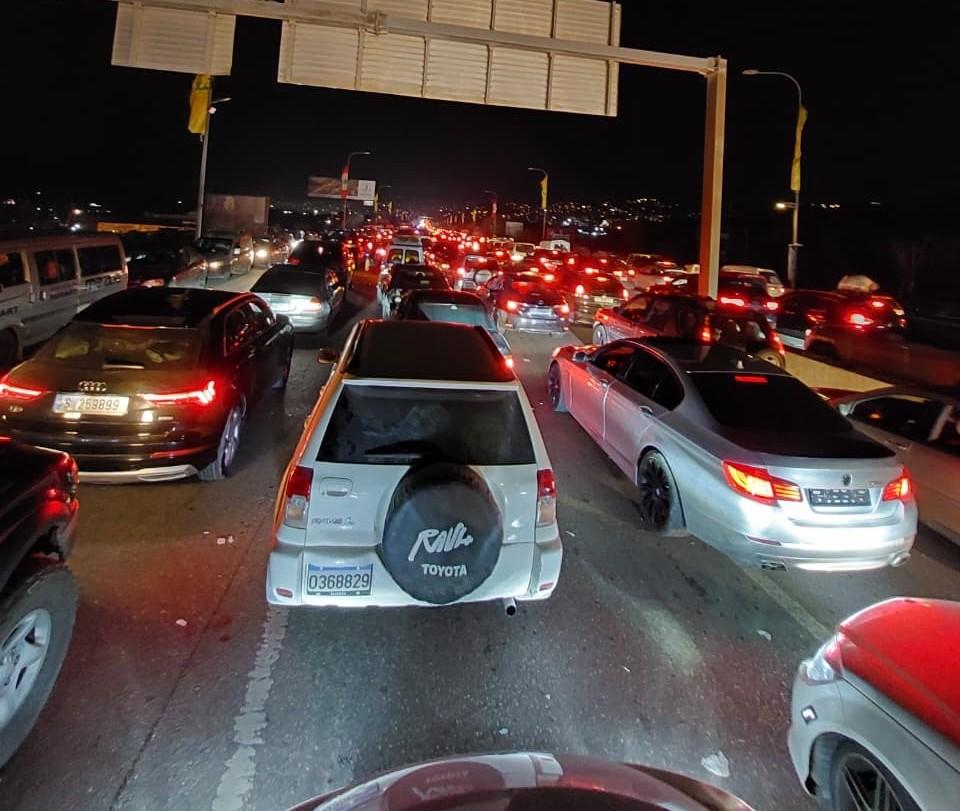
But while Ali's family was escaping, another story had already begun. Several weeks before the escalation, World Vision Lebanon's field teams noticed something that official data had not yet captured.
Families living near the border were quietly relocating inland to stay with relatives; subtle movements that were almost invisible in national reporting but impossible to miss for teams who had been walking alongside those communities for years.
Recognising these early warning signs, World Vision Lebanon secured anticipatory funding through the Start Network's Start Fund, enabling the organisation and its local partner, Basmeh & Zeitooneh, to begin preparing before the crisis reached its peak.
The objective was to recognise the growing risk of large-scale displacement early enough to reduce its impact.
Between early February and the beginning of March, World Vision and Basmeh & Zeitooneh worked alongside Disaster Risk Reduction units, municipalities and the Ministry of Social Affairs to strengthen preparedness.
Food, hygiene and winterisation supplies were pre-positioned across warehouses in four governorates, distribution plans were finalised, and community awareness sessions encouraged families to safeguard important documents, medicines and essential items should they need to flee.
Preparedness, however, cannot remove the chaos of conflict. For many families, events unfolded so quickly that there was simply no time to think.
Seeing as preparations had already been completed before the escalation, World Vision didn't need to wait for emergency funding or begin planning from scratch. Once the pre-agreed triggers were activated on 2 March, distributions started within hours, reaching families while many were still on the move.
Within the first month alone, more than 55,000 displaced people received ready-to-eat food, hygiene kits, winter items and hot meals across six governorates, helping families during the critical first hours of displacement when access to food, shelter and basic services was most limited.
"It was our years of community presence through sponsorship programming in South Lebanon that allowed us to read the barely perceptible signs that large-scale displacement was coming, invisible in aggregate data, yet visible to teams who had been walking alongside those communities for years, said Heidi Diedrich, National Director of World Vision Lebanon.
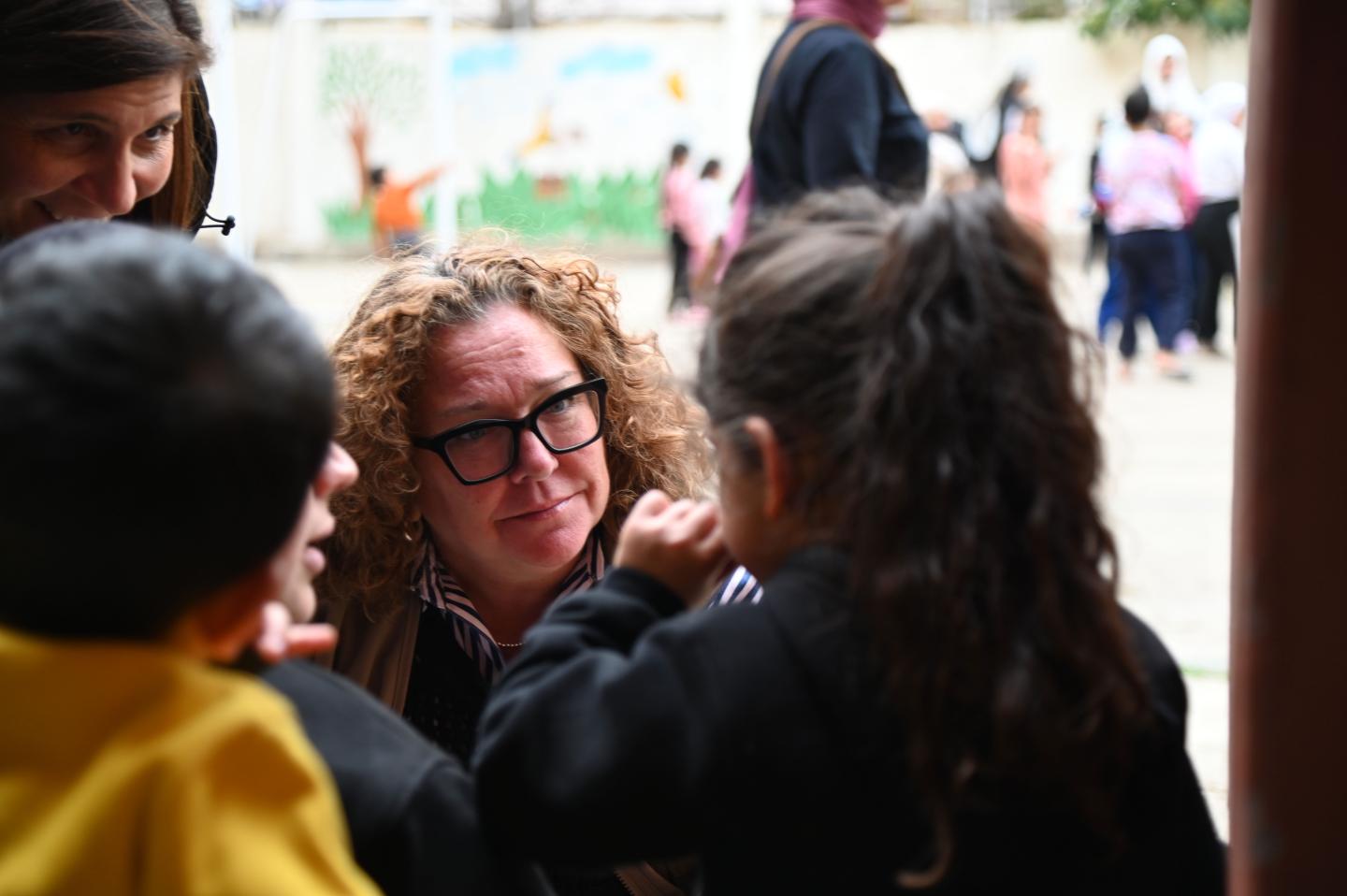
That same long-term presence created the operational foundations needed to act quickly. Warehouses, supplier agreements, trusted local partnerships and strong relationships with municipalities and disaster management authorities were already in place long before the crisis unfolded.
"The deep community trust we had earned over those years allowed us to reach people fast when it mattered most. Such earned respect did not happen overnight; it was built over many years," said Heidi.
Today, Ali runs outside whenever he sees the World Vision team arriving at the shelter. He loves playing football and still dreams of having another remote-controlled car after the one he owned was destroyed during the bombing.
His story is a reminder that humanitarian action is not only about delivering assistance after disaster strikes. It is about protecting childhood before its losses become even greater.
Every hour gained before a crisis means more children protected, more families supported, and more hope preserved. This is the power of anticipatory action.