
From Rachaya to Hermel: How Food Assistance Is Sustaining Families across the Bekaa

Across West, Central and North Bekaa, many families wake up each day unsure if they will be able to afford their next meal. Rising food prices, unstable work and reduced support have made it increasingly difficult to put food on the table. For many households, this is no longer a short term hardship but an ongoing struggle that affects their health, their children’s education and their overall wellbeing.
In response, the in-kind food assistance provided in partnership with the World Food Programme, implemented by World Vision, helps ease daily pressure, reduces harmful coping strategies and allows parents to focus on caring for their children with greater stability and dignity.
Adib, a father of seven from Aaqabeh in Rachaya al Wadi, has been receiving food assistance for four months. He relies on daily labour whenever work is available, while also caring for his elderly father. “This support helps us make it through to the end of the month,” he says. “Many families like ours genuinely depend on this kind of assistance. When food is available at home, even if simple, everything feels different. The children eat properly, and there is more calm in the house.”Adib explains that knowing food will be there allows families to think beyond the next meal. It brings a sense of reassurance that reflects on daily decisions, on how parents manage their limited income, and on how children experience their home.
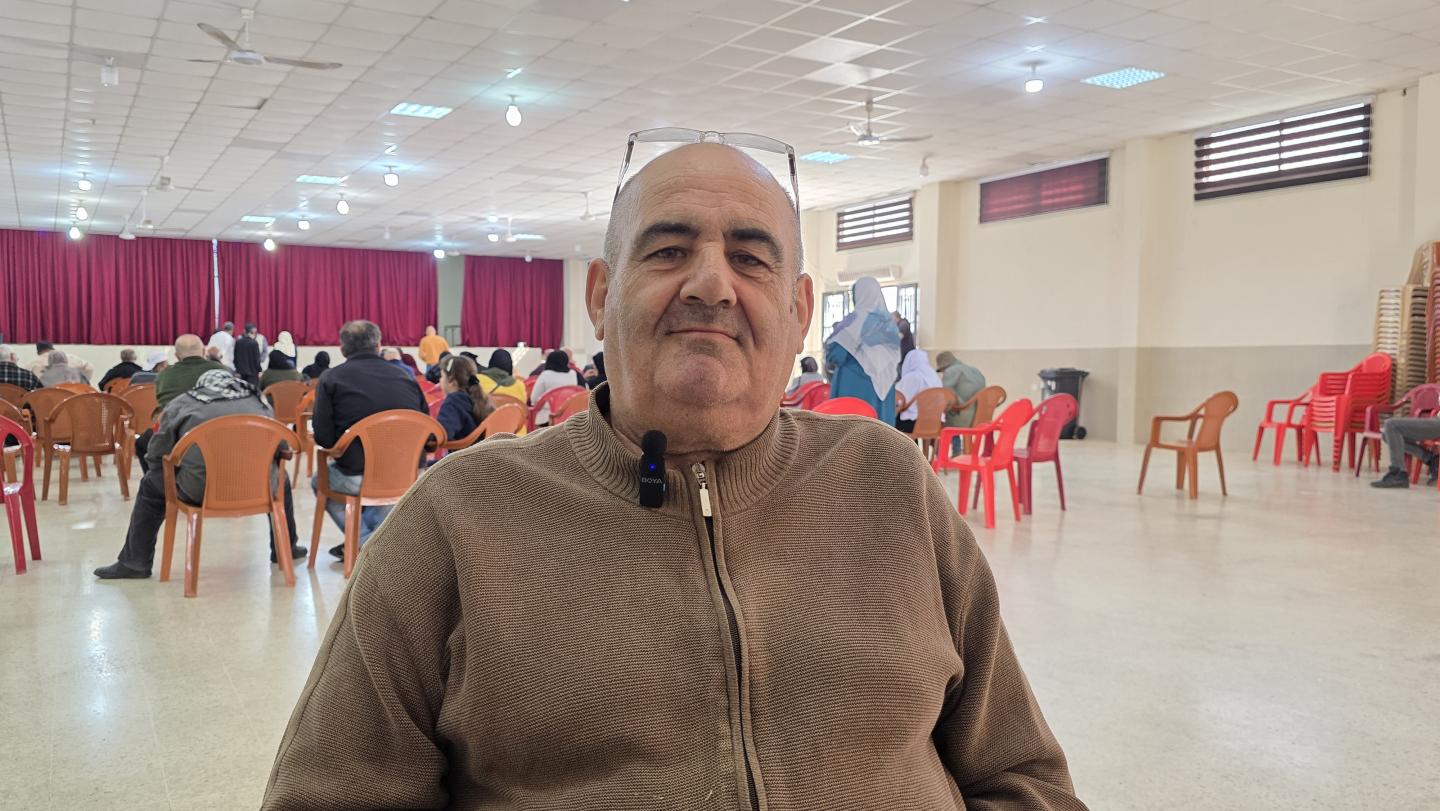
Adib notes that while the food basket generally matches familiar dietary habits, larger households tend to run out of certain items more quickly than others.“Oil, sugar and salt are used every day. We appreciate the assistance.“ For Adib, food security is closely tied to education. “All my children are still in school. This is my biggest concern. When we are not worried about food, we can focus on keeping them learning and protecting their future.”
In Ghazzeh, Fatmeh shares a similar story. A mother of five, she explains that her husband is only able to find occasional work due to his age, leaving the family with limited and unpredictable income.“Two of my children had to leave school because we could not afford the costs,” she says. “The food box helps me cook and feed the family. Without it, we would struggle to cope.”
Fatmeh describes how the presence of food at home eases tension and worry. “When I open the cupboard and know I can prepare a meal, I feel less pressure. Even simple meals make a big difference when you are caring for a big family.”
She also attends the protection and Gender-based violence (GBV) awareness sessions delivered during distributions. “These sessions are important,” she adds They help us recognize risks and learn how to protect ourselves and our children.”
To ensure wide and equitable coverage, World Vision operates eight distribution sites from Rachaya to Hermel, reaching communities across West, Central and North Bekaa. In November alone, 2,588 households were invited to receive assistance.
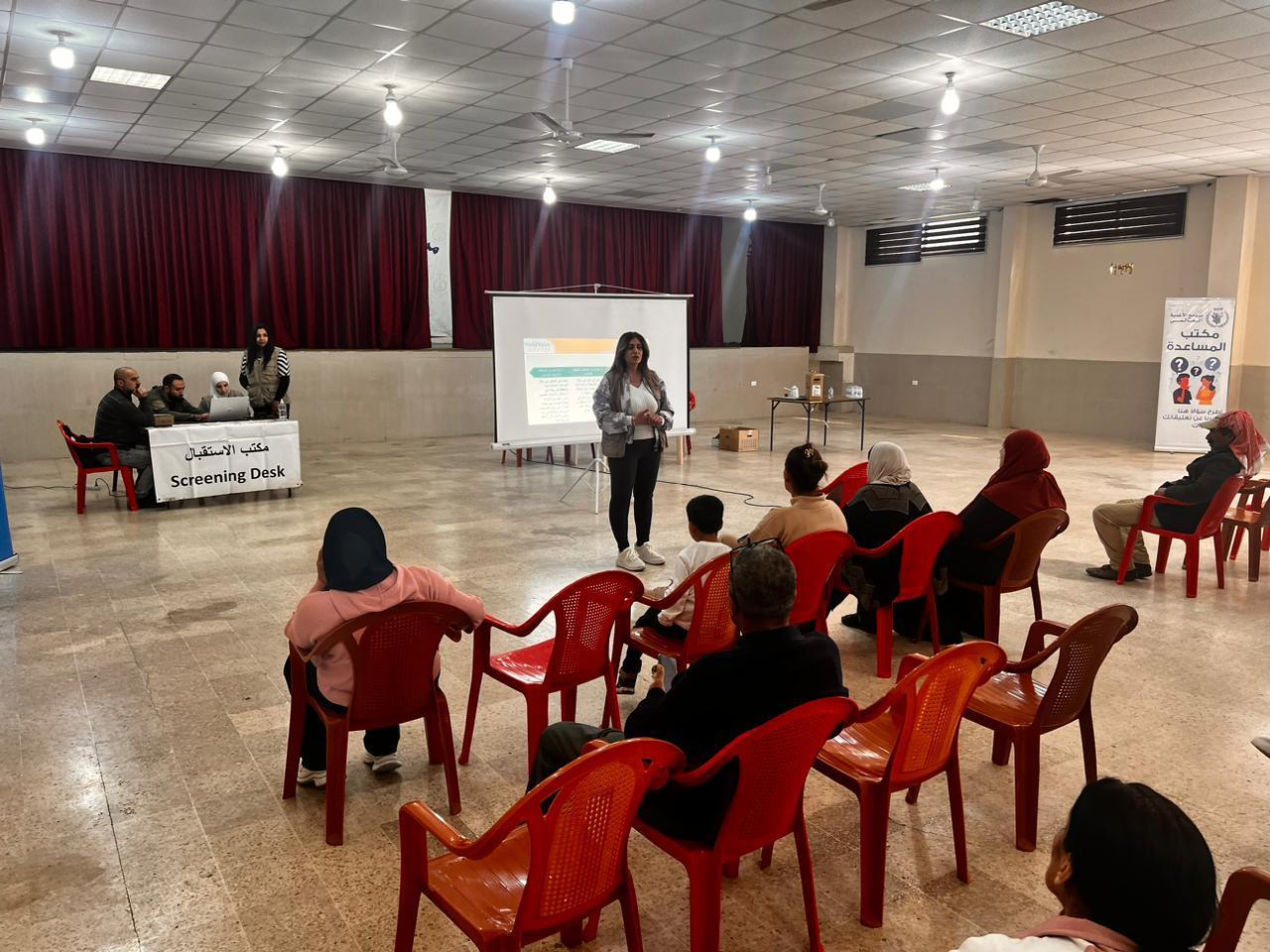
Christian Kfoury, WFP Project Team Leader at World Vision, explains that dignity and organisation are central to the process. “Our distributions are structured to ensure order, privacy and respect. Families arrive in time slots, their information is verified, and awareness sessions are provided while they wait. Many beneficiaries tell us this assistance removes a significant part of their food expenses and reduces daily stress.”
From a food security and resilience perspective, the strategic value of in kind assistance goes beyond calories. Georges Abi Rizk, Resilience and Livelihoods Specialist at World Vision, explains, “In kind food assistance is designed with local eating habits in mind. When families receive food they know how to prepare and share, it supports household balance and reduces pressure on parents. This stability at home helps protect children from anxiety and harmful coping practices. Food security is not only about meeting basic needs, it is about dignity, routine and keeping daily life intact.”
This lived experience aligns with findings from World Vision’s “Adolescents, Hunger, and Conflict: Voices and Key Figures across Lebanon – Advocacy Brief”, which documents how hunger among adolescents is prolonged, pervasive and closely linked to stress and declining wellbeing. The brief shows that 24.1% of surveyed adolescents experienced hunger for more than one month, and that 83.1% reported feeling anxious or stressed due to worrying about food.
It further highlights that when assistance is stopped or reduced, families face longer gaps without support, deepening anxiety and increasing the likelihood of harmful coping strategies. By contrast, predictable support helps reduce worry and creates a more stable environment in which children and adolescents can focus, learn and cope.