
Breaking Barriers: How School Sanitation is Keeping Girls in Class in Northern Mozambique

New sanitation blocks inaugurated in a local school in Murrupula district, northern Nampula province, are contributing to increasing the number of children enjoying good health by, among others, reducing their vulnerability and risk to diseases such as cholera.
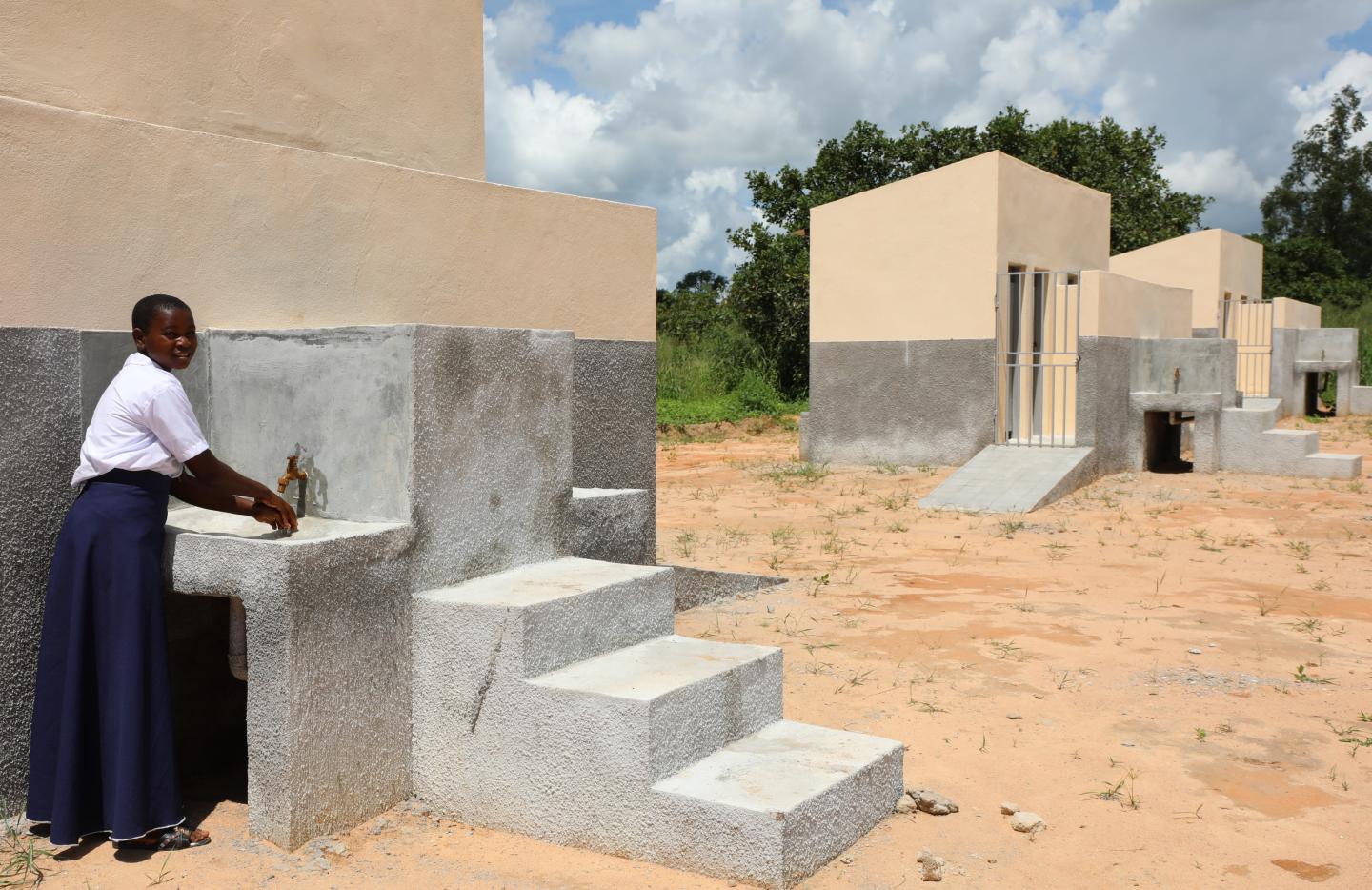
The sanitation blocks are already serving 830 students, including the school academic board in a moment Nampula province is recovering from a cholera epidemic, which is still counting with 10 active cases in 23 districts from a cumulative of 3623 cases that caused the death of 39 people.
Nampula province stands as the most affected by the cholera outbreak, demanding that sanitation facilities are available and are essential in keeping students through the promotion and adoption of hygienic practices in a context characterized by fragile sanitation infrastructures forcing children to resort to nearby bushes, exposing them to disease and other risks.
Sanitation blocks are boosting the learning environment
The sanitation blocks are equally contributing to boost school attendance, with girls' retention on the rise as students are no longer under pressure to use a single latrine.
For adolescent girls, the consequences were often decisive. Without private, hygienic spaces to manage menstruation, many missed several days of school each month. These absences eventually undermined their academic performance and confidence, in some cases leading to permanent dropout.
That reality is now beginning to shift. Supported by World Vision, the newly constructed sanitation facilities provide safe, private, and hygienic spaces for students. More than just infrastructure, these buildings are removing one of the most immediate and overlooked barriers to education.
"Before, going to the bush was something we feared every day," says 14-year-old Telísia. "It was not safe, and it was embarrassing. Now, we feel protected. I can stay in school without worry, even during my period."
The impact is already visible. Teachers report a noticeable improvement in attendance, particularly among girls. Students are arriving on time and staying through lessons, no longer forced to leave school grounds in search of a place to meet their most basic needs.
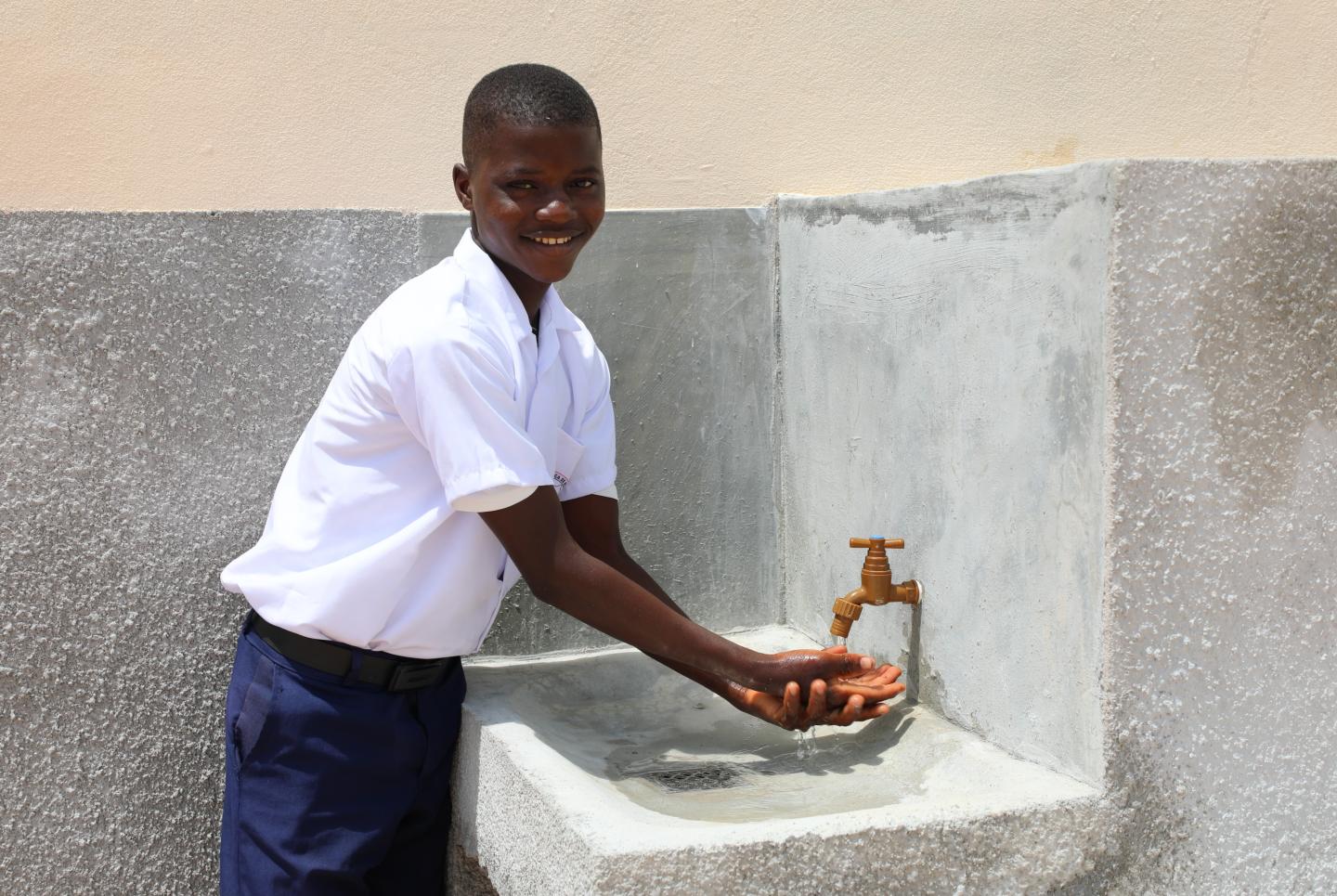
For 16-year-old Osvaldo, the difference is practical and immediate. "We used to miss lessons or arrive late because we had to go far to find a place," he says. "Now everything is here. We can focus on learning."
School representative Júnior Ramos Fausto describes the intervention as a turning point for the school and the wider community.
"This is not just about infrastructure," he explains. "It is about dignity, health, and the future of our children. These facilities create safer conditions, especially for girls, and allow students to learn in an environment that respects their needs."
In districts like Murrupula, where resources are limited and distances are long, access to proper sanitation is not a secondary concern. It is a determining factor in whether children can remain in school and fully participate in their education. For these 830 students, the construction of three sanitation blocks is already changing that equation.
What was once a daily struggle marked by fear and uncertainty is being replaced by a safer, more stable learning environment. In a place where small interventions can have life-changing effects, three simple structures are helping restore the right to learn with dignity.