
Flood-Resilient Sanitation Is Changing Lives in Mozambique

“I No Longer Have to Walk Long Distances into the Bush.” A smile of relief lights up Lucia’s face as she reflects on a change that has transformed her life. For years, the elderly resident of a community in Mabalane District, Gaza Province, lived with a reality that many would find unimaginable: no access to a safe household toilet.
“Whenever I needed to use the toilet, I had to walk into the bush. At my age, that was extremely difficult, especially at night or when it was raining,” she explains, pausing briefly as she looks back on those difficult years.
Lack of adequate sanitation has long been a challenge for her family and for many in the community. Whenever the rains came, the few latrines that existed would collapse due to fragile soil conditions and recurring floods.
“I have lost count of how many latrines I have built over the years. A single heavy rain was often enough to bring them down. At times, it felt easier to go back to the bush than to keep spending time and energy rebuilding one latrine after another,” Lucia recalls, her voice carrying the weight of years of hardship.
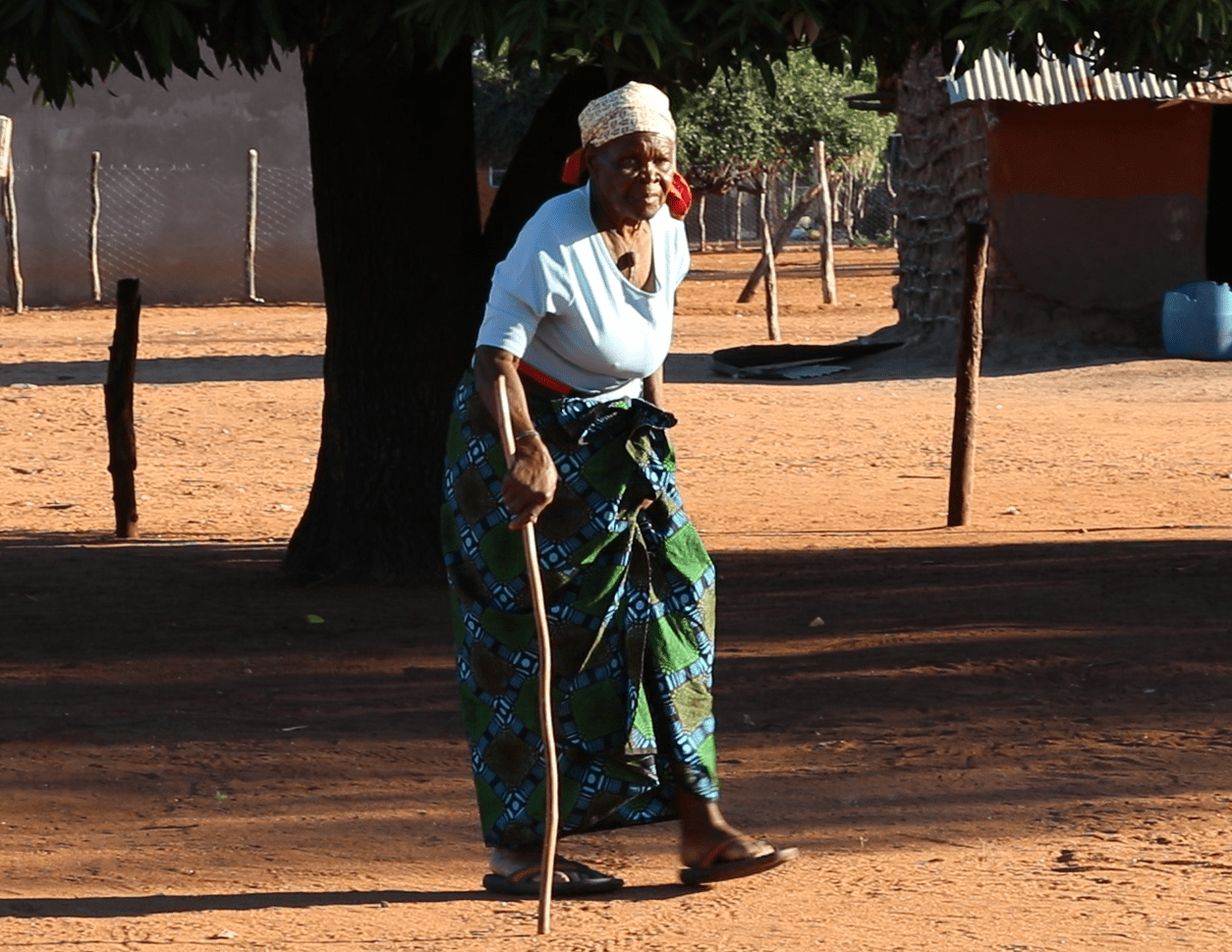
Lucia remembers a time when her yard stood as a silent witness to this constant struggle.
“I nearly filled my entire yard with pits that once served as latrines. We would dig one, use it for a while, and soon after it would collapse again. It felt like an endless cycle of hardship,” she continues, gesturing across her compound where those structures once stood.
Although she does not know her exact age, Lucia knows she has lived long enough to witness countless latrines collapse throughout her lifetime. Today, however, she is experiencing a different reality.
Through World Vision’s Sanitation Marketing approach, Lucia now has access to an improved latrine designed to withstand the harsh weather conditions that frequently affect the area.
When recent floods hit Mabalane District, something happened that had never happened before.
“When I saw the water rising, I thought this latrine would collapse like all the others. But this time it didn’t. It remained standing,” Lucia says, her voice softening with relief. “I was so relieved… truly happy.”
The change goes far beyond infrastructure. For Lucia, it represents dignity, safety, and peace of mind. It means no longer having to walk long distances into the bush or face the risks associated with open defecation.
Perhaps the most profound impact, however, lies with the next generation.
Lucia lives with her 13-year-old granddaughter, Vilma. Unlike her grandmother, Vilma is growing up in a safer environment, with access to dignified sanitation and improved hygiene conditions.
“I have endured many hardships in my life,” Lucia reflects, looking at her granddaughter, “but I am grateful that she will not go through the same experience. She now has a safe toilet close to home, and that gives me peace of mind.”
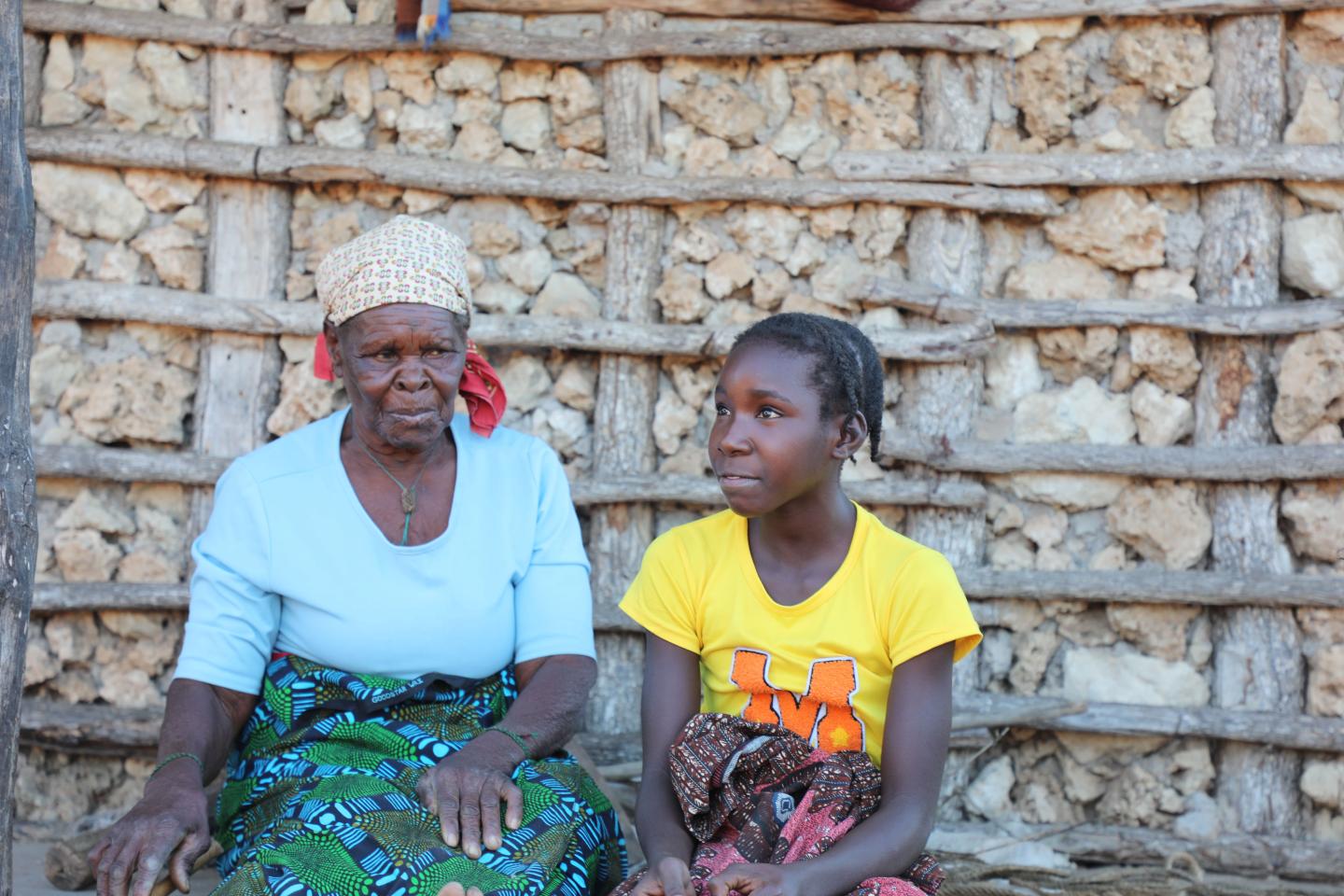
For an adolescent girl, access to a proper toilet means far more than comfort. It means privacy, safety, better health, and the opportunity to grow up with dignity.
Lucia’s story is just one of hundreds of stories of transformation taking place across the districts of Guijá and Mabalane in Gaza Province.
Since 2024, when the Sanitation Marketing approach began implementation in Guijá and Mabalane, more than 2,500 improved latrines have been constructed. In 2026 alone, over 800 improved latrines have already been built through World Vision’s Sanitation Marketing approach. The initiative is helping to reduce the frequent collapse of latrines, eliminate open defecation, and promote healthier, more resilient, and safer communities for children.
For families like Lucia’s, a latrine is far more than a structure in the yard. It is a symbol of restored dignity, renewed hope, and the assurance that the next generation can grow up with greater safety, better health, and more opportunities.