
Floods in Mozambique- Hunger Forces Families Back into Danger

Just two weeks after heavy rains triggered severe flooding in Mozambique’s Gaza Province, dozens of families who had fled their homes to seek safety are now facing an impossible choice: remain in Accommodation Centres without enough food, or return to flood-affected areas where danger still looms, but where there is at least a chance to eat.
For Eliza, it was hunger that pushed her back towards risk.
Under the scorching sun, she stands in a long queue near a bridge, waiting for a small boat that crosses the stretch of water separating Tomanine locality from Caniçado village. Around her are women, children and elderly people, some have been waiting for hours, others for days. All of them understand the risks ahead. Yet they feel they have no alternative.
“The risk doesn’t matter,” Eliza says quietly. “I can’t watch my children die of hunger in the centre.”
Safety without food is not survival
When floodwaters rose, these families fled with almost nothing, hoping that displacement centres would offer protection and relief. They found shelter, but food has been scarce, and daily meals are far from guaranteed. For many, staying has become unbearable.
“Better a danger we know than the hunger that is already killing us,” murmurs one woman in the queue.
Among those waiting is Ester, a mother of six young children and head of a household of 14 people. She has been waiting for the boat for three days. In her hands, she carries only a small bundle of clothes, and the weight of hunger.
“We would rather go and starve at home than starve in the centre,” Ester says, shielding her eyes from the sun.
The same sun that helped dry the floodwaters has become another enemy, draining the strength of people desperate to cross back to what they call, with painful irony, their “promised land”.
Returning to nothing but ruins
In Tomanine, three displacement centres: Cocone, 7 de Abril and Tomanine-Sede, are currently hosting more than 250 families, most of them displaced from Guija and Chókwè districts.
Just a week ago, aerial images captured by World Vision showed entire neighbourhoods submerged. Today, the water has receded, but destruction remains.
Ester has returned to her home near the Limpopo River. There is no floodwater anymore, but there are no walls, no crops, no food. Still, she chose to stay.
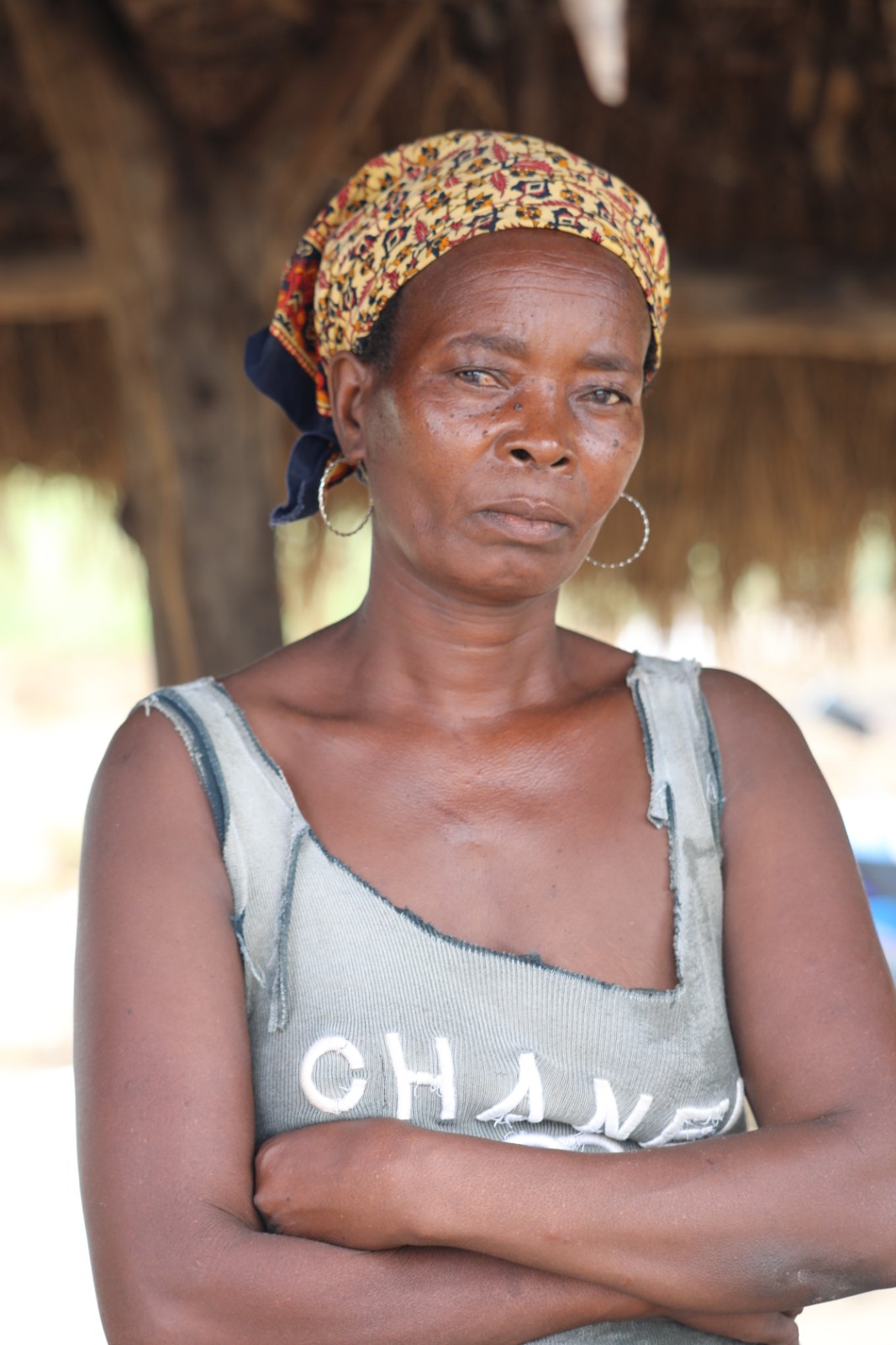
“We have nothing left, but there is no life in the centre either,” she explains. “Here, I can wake up and light a fire. After that, I’ll see what happens.”
When smoke means hope, even without food
In these communities, seeing smoke rising from a cooking fire is a sign of hope. In what remains of Ester’s small kitchen, thin smoke curls into the air.
Asked what she is cooking, her answer is stark:
“Nothing… just a few sweet potatoes given by a relative.”
The pot is far too small for a family of 14. The gap between what they have and what they need is painfully clear. There is smoke, but hope is fragile.
An urgent call to act
Without immediate humanitarian assistance, hunger risks claiming more lives than the floods themselves. These families survived rising waters, but they remain in grave danger due to the lack of food, safe water and basic means to rebuild their lives.
World Vision is responding on the ground, supporting affected communities with lifesaving assistance. However, the scale of the crisis demands the engagement of government authorities, humanitarian partners, donors and the wider public.
Together, we can ensure that no family is forced to choose between hunger and danger.
Surviving the floods must not mean dying of hunger afterwards.