
Humanitarian Assistance Reaches Families Affected by Floods in Mozambique

Despite severely damaged and cut‑off roads that continue to limit access to flood‑affected communities, World Vision has initiated its humanitarian response in Mozambique, establishing a growing field presence to provide immediate life‑saving assistance. So far, 78 families have received emergency support, including kits that facilitate access to clean water, food, and essential shelter items.
A significant portion of the response is currently concentrated in Gaza Province, which accounts for more than 60 per cent of the affected areas nationwide. According to the latest figures, over 390,000 people have been impacted by flooding across the country, with Gaza remaining among the hardest‑hit provinces.
Supporting Families in Guijá District
In Guijá District, World Vision has assisted 49 families currently residing in one of the seven accommodation centres established to host families displaced by the floods. These centres continue to face serious constraints, particularly in access to safe water.
Water supply across several accommodation centres depends largely on the availability of electricity. Frequent power interruptions have forced displaced families to rely on unsafe water sources, significantly increasing the risk of waterborne diseases. In response, World Vision distributed water filters as a critical preventive measure against illnesses such as diarrhoea, cholera, and other water‑related diseases, which tend to surge during the rainy season.
Each water filter can purify approximately 18 litres of water per day and effectively removes viruses, bacteria, dust, and other harmful particles. With an estimated lifespan of up to five years, the filters offer a sustainable, medium‑term solution for improving access to clean water and protecting the health of affected families.
The intervention prioritised the most vulnerable groups, including children, older persons, pregnant women, and people with disabilities, recognising that these populations are often disproportionately affected during extreme climate events such as floods.
Assistance Extended to Zambézia Province
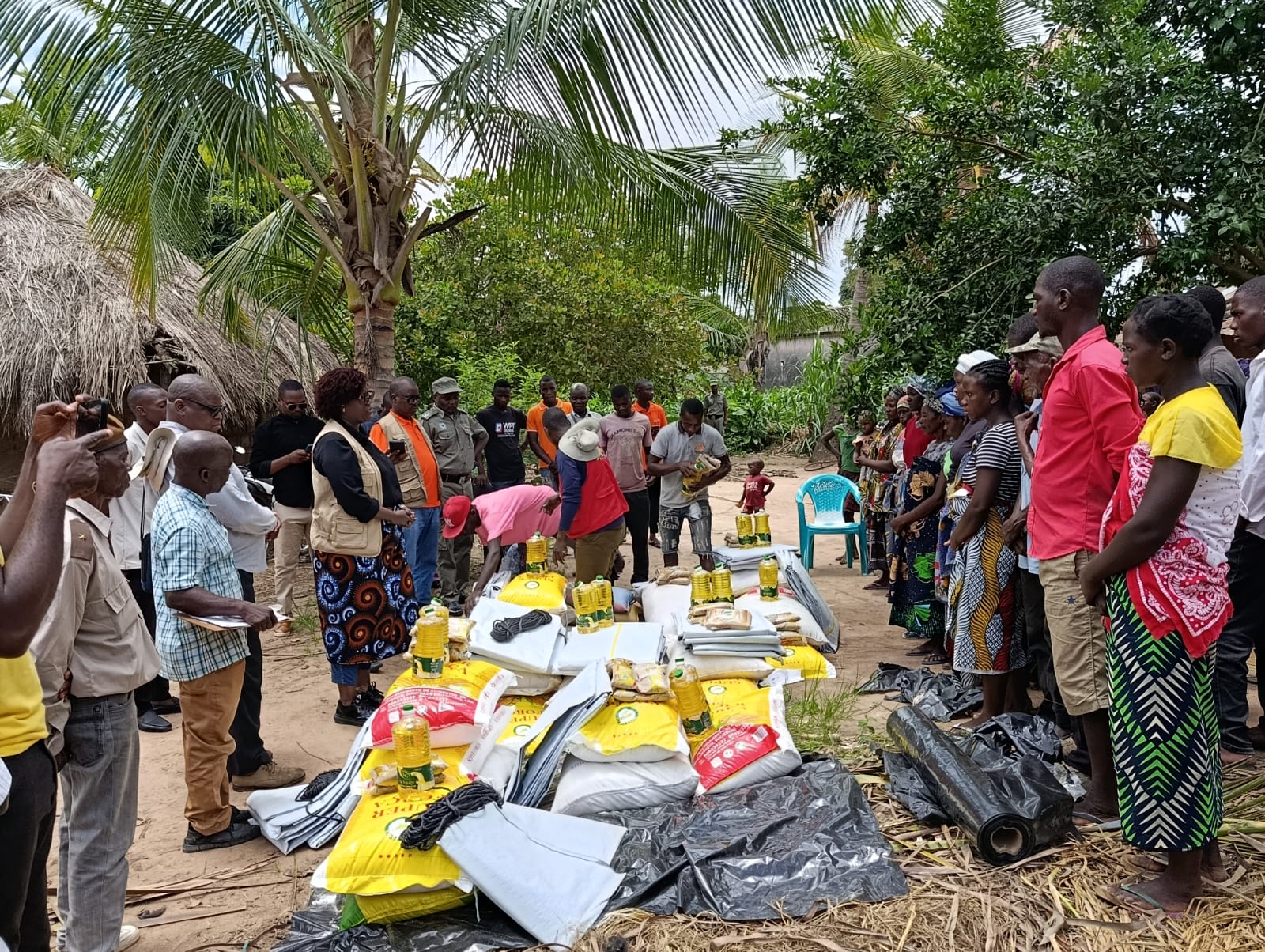
Similar support was also delivered in Zambézia Province, where 29 families in Maganja da Costa District benefited from food and shelter assistance. The distribution was carried out as part of a joint action led by the District Administrator, Judith Filipe, reinforcing coordination between humanitarian partners and local authorities.
Overcoming Access Challenges: A 24‑Hour Journey
Access constraints remain a major challenge to the response. World Vision’s response team stationed in Xai‑Xai, the capital of Gaza Province, has been unable to reach resettlement centres in some of the most affected districts due to impassable roads. To date, assistance has been limited to the use of pre‑positioned emergency supplies available at the organisation’s field office.
In an effort to overcome these constraints, the team initiated an alternative 24‑hour road journey through neighbouring South Africa, allowing access to hard‑hit areas in Guijá and Mabalane districts. This strategy is expected to ease current logistical barriers and accelerate the delivery of assistance to flood survivors.
This response forms part of World Vision’s ongoing efforts to mitigate the impacts of climate‑related emergencies, strengthen community resilience, and ensure minimum standards of health, dignity, and well‑being for families hit by the floods.