
Rebuilding Trust in Cabo Delgado: How Displaced and Host Communities are Creating a Shared Future

In Metuge district, in Cabo Delgado province, northern Mozambique, peace is measured in simple acts.
It is seen when neighbours greet each other on the road. It is heard when community members exchange information about security concerns. And it is felt when families who once kept their distance draw water from the same well.
“Before, we didn’t speak with the displaced people,” recalls one resident. “Now, we share water from the same well.”
For communities affected by years [since October 2017] of conflict and displacement, such moments represent a profound change.
From Strangers to Neighbours
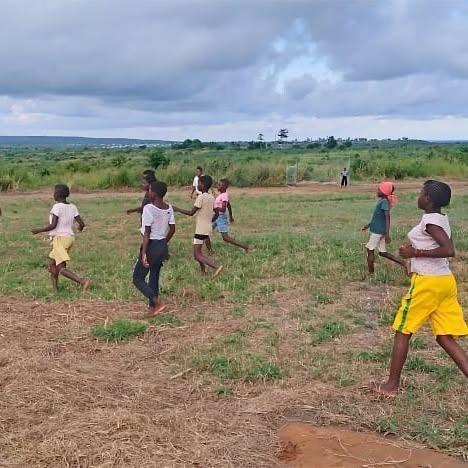
In Metuge district, thousands of people fleeing violence, mostly from Mocimboa da Praia district, arrived seeking safety. While host communities opened their doors, fear, mistrust and limited opportunities for interaction created invisible barriers between those who had been displaced and those who had lived there for generations. People lived side by side, but often remained socially divided.
To help rebuild trust and strengthen peaceful coexistence, World Vision Mozambique, working closely with local authorities, implemented the Peacebuilding and Social Cohesion Project between October 2025 and April 2026. The initiative reached more than 4,000 people in the target areas.
Rather than focusing on a single activity, the project created multiple opportunities for people to come together, listen to one another, and work towards common goals.
Young people were among the first to take on this role.
Twenty-seven youth leaders received training in leadership, conflict mediation, and peacebuilding. Equipped with new skills, they organised community dialogues and became trusted voices in resolving disputes and encouraging cooperation.
Community leaders soon began turning to them for support in addressing tensions before they escalated.
Finding Common Ground
The project also brought together people from different generations, faiths and backgrounds. Through intercommunity and intergenerational dialogues, residents discussed shared challenges and identified practical solutions. New community support networks emerged, helping families resolve disagreements and strengthening local mechanisms for protecting children.
Religious leaders played a vital role in this transformation.
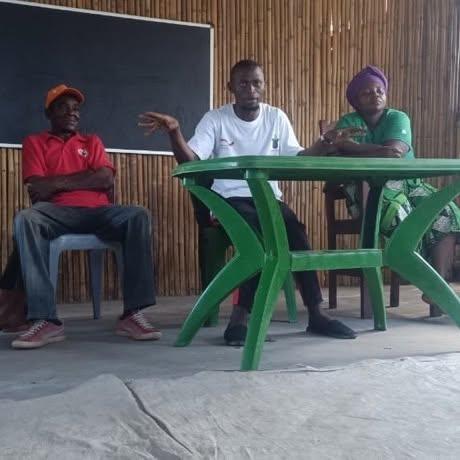
Christian and Muslim leaders worked side by side to promote messages of tolerance, peaceful coexistence and child protection. Together, they encouraged families to reject harmful practices such as child marriage and foster safer, more supportive home environments.
Thirty-six parents, caregivers and family mentors were also trained in positive parenting approaches. Several families reported replacing physical punishment with dialogue and understanding, contributing to healthier relationships within the home.
One of the most visible signs of change came during community sports events.
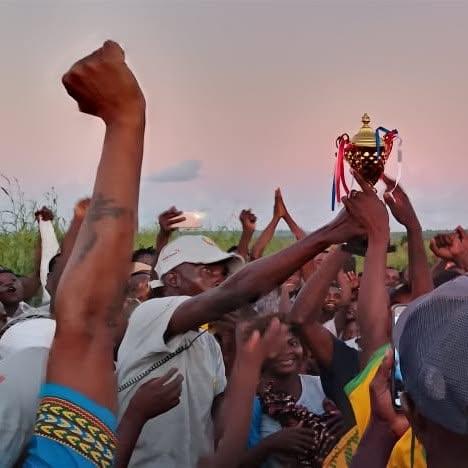
Football tournaments brought together young people from host and displaced communities in mixed teams, creating a neutral space where friendships could form and old prejudices could begin to fade. Thousands of spectators gathered to watch the matches, while peace messages delivered by youth and faith leaders reinforced the importance of unity and mutual respect.
For many residents, these events offered a rare opportunity to interact with people they had previously viewed with suspicion.
Protecting Children, Restoring Hope
The impact extended beyond social cohesion.
The project strengthened community-based child protection systems and linked them more closely with formal services. Twelve child protection cases were identified and referred to social welfare and justice authorities, ensuring that vulnerable children received appropriate support.
At the same time, 75 children who were out of school, including internally displaced children and children with disabilities, were successfully reintegrated into education. Community volunteers, school councils, and local protection structures worked together to monitor attendance and support their learning. By the end of the project, none of the children had dropped out.
A Voice at the Table
Perhaps the clearest sign of lasting change was the growing inclusion of displaced families in community decision-making.
In a milestone for the community of Tratara, a displaced woman was elected to the local Child Protection Committee. For the first time, displaced families had direct representation within a structure responsible for safeguarding children and supporting community wellbeing.
Her election reflected a broader shift taking place across the district.
People who once saw themselves as separate groups were beginning to recognise a shared future.
Building a Shared Future By April 2026, all project targets had been met and exceeded. Yet the most significant achievements cannot be captured in statistics alone.
They can be found in the confidence of young leaders mediating disputes. In children returning to school. In Christian and Muslim leaders working together. And in communities choosing cooperation over division.
In Metuge, rebuilding peace did not begin with grand gestures. It began with conversations, shared responsibilities and small acts of trust.