
Aron: Our village is now open defecation free

“We built 39 toilets and hand-washing facilities in one week, but the knowledge we got will last a lifetime with us," says Aron.
Morobe Province is located on the northern coast of mainland Papua New Guinea, the largest province in the country and home to over 700 thousand people, the majority of whom depend predominantly on subsistence farming, agriculture and fishing, and live in far stretched rural communities connected by roads, sea routes, and traditional footpaths that lead to some of the most beautiful places and people on this planet.
Aron Morot is from the Nawaeb District in Morobe Province, he is the ward councillor of Gufin village, home to more than 200 people, and located 4-hours outside of the main city. The first community in the province to be declared Open Defecation Free (ODF) after one week.
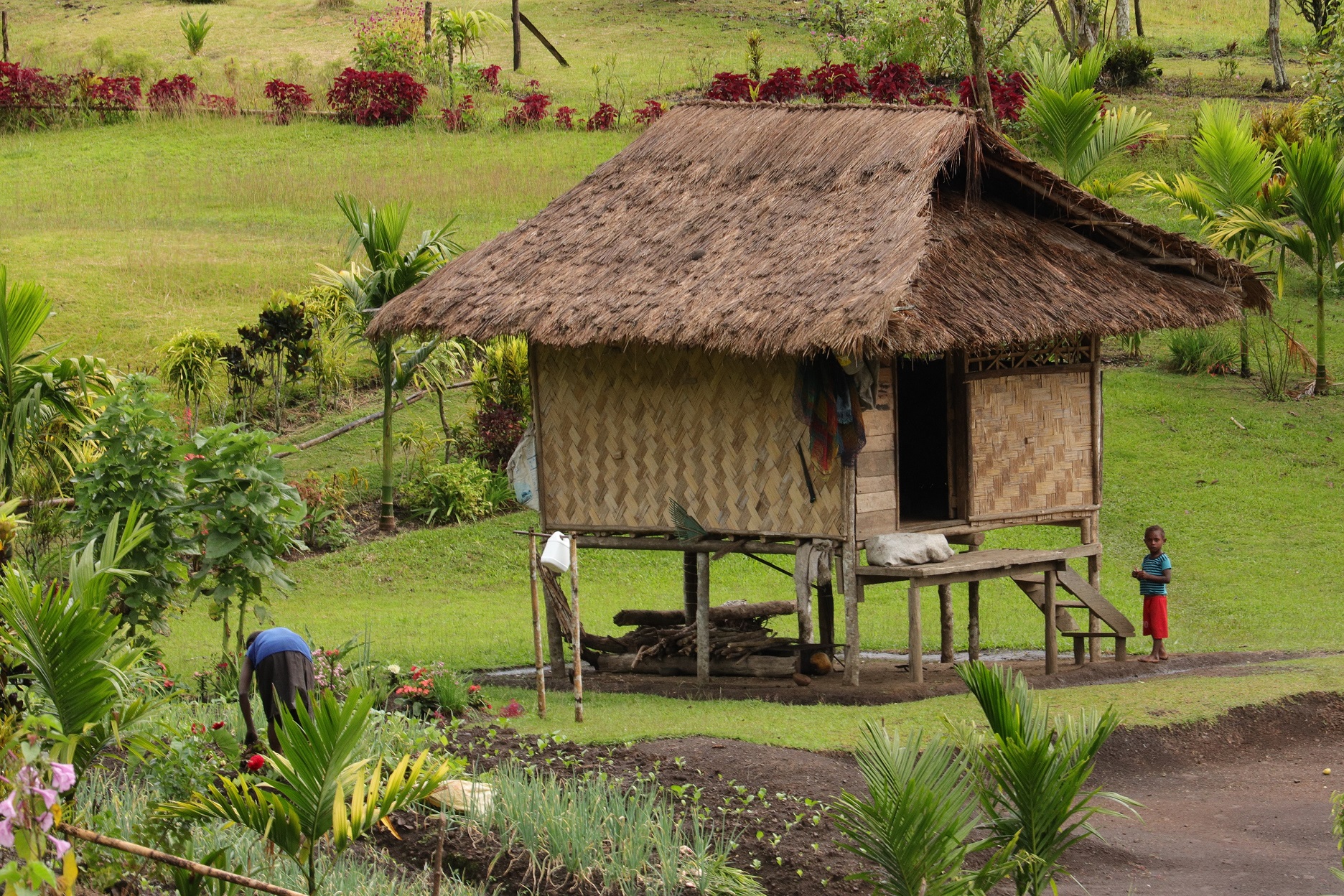
“I spoke to my village people, and we came together to work with World Vision under the Kilinpela Komunity Projek, and after one week, we were self-declared Open Defecation Free," Aaron says with pride.
Aron’s village is among many rural communities under the Klinpela Komuniti Projek (KKP), a community-based initiative funded by the European Union through the PNG Government’s National WaSH Policy 2015-2030, and implemented by World Vision with technical guidance from UNICEF, in partnership with the Nawaeb District Development Authority (DDA), the Feedback foundation, and the Morobe Provincial Government through Nawaeb Districts 5 year WaSH Plan (2018-2023).
The project aims to help achieve Papua New Guinea’s 17 Sustainable Development Goals (SDGs) by supporting SDG 6 to have access to clean and safe water and sanitation, focusing mainly on the underserved children and their families in rural communities like Gufin.
In Morobe alone, the project aims to reach more than 40 thousand people starting with Nawaeb District and has worked with 169 communities, 50 schools, and 9 Health Care Facilities (HCF). Having helped build 49 teachers toilets and 50 student toilet blocks that allow accessibility for students living with disabilities, and menstrual hygiene facilities for adolescent girls. Reaching up to 7000 community safe toilets and handwashing facilities.
In PNG an estimated 60 percent (4.2 million residents) of the population, do not have access to safe water, and some 81 percent do not have access to an improved sanitation facility. In urban areas, the water supply coverage is estimated at 89 percent, while it is only 33 percent in rural areas. Sanitation coverage is 57 percent in urban areas but only 13 percent in rural areas. extracted from JMP 2015
Aron and his community built 39 safe toilets (Ventilated Improved Pit toilets) from locally available materials in one week, making sure that every household and every building in their community has a safe toilet and handwashing facility, be it a classroom, market place, or church.
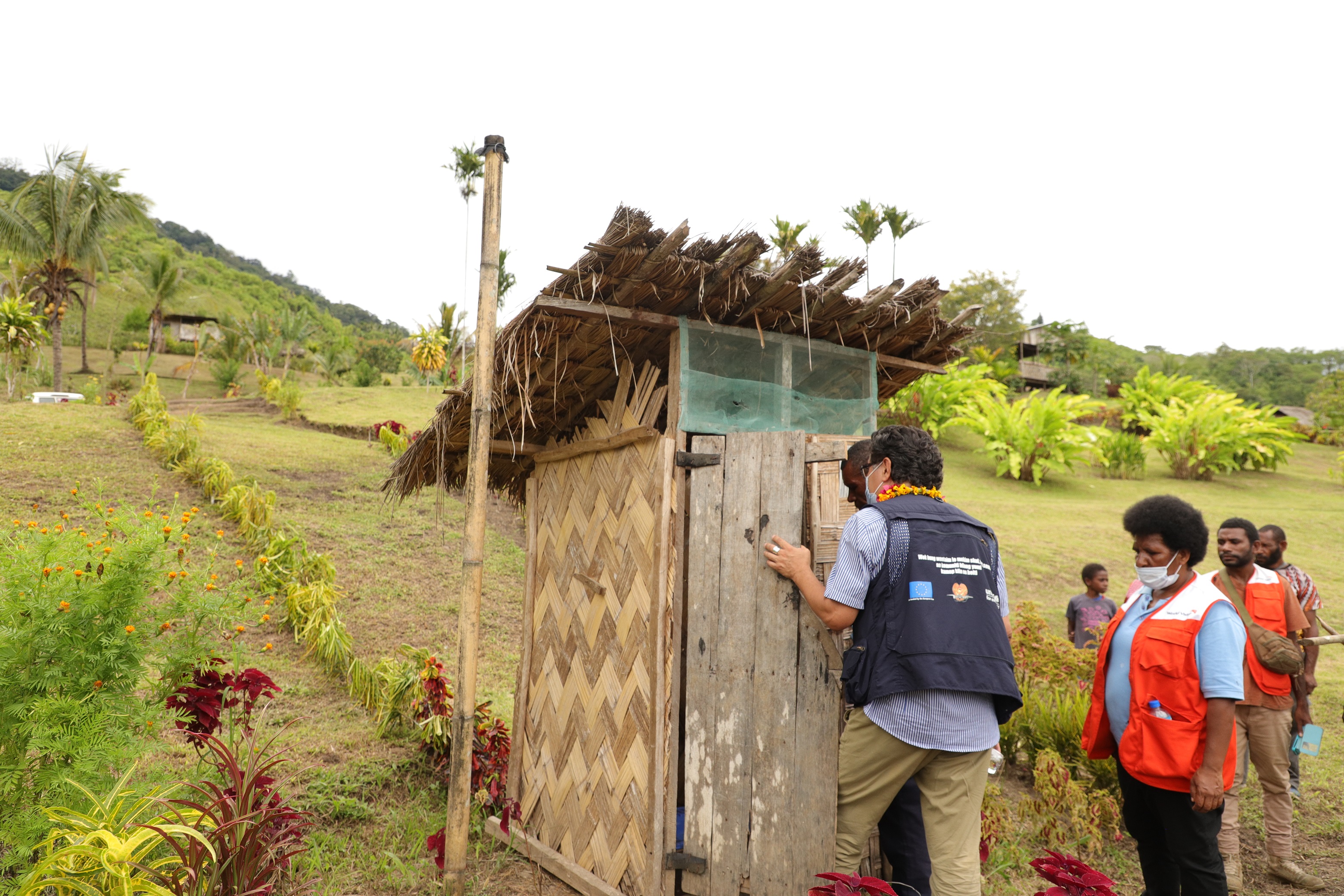
“We did not just build toilets, we learnt from the project, and showed our people how to properly use the facilities, and how to practice proper hygiene and maintain healthy standards in the village”, Aron explained.
Project Manager Everlyn Mikasimo said that Gufin Village used to have many cases like diarrhea, typhoid and respiratory tract infections as well as skin diseases from poor hygiene and sanitation practices. But now the locals rarely get diarrhea, and the village people are rarely seen at the local health center.
“Children are healthier now more than ever, they can concentrate on school, and look forward to the future. Families are happy and strong, and the community as a whole is able to do great things together”, said Everlyn.
By reducing the chances of getting sick through safe sanitation facilities and hygiene practices, the people of Gufin now have one less problem to worry about and are able to focus their resources and time on aspects like education, sport, business, and other livelihood ventures.
World Vision CLTS officer Benjamin Hembi-du who works closely with the Gufin Community said that he has not seen many communities like Gufin, and that he is happy to work in a community like Gufin. “I feel that with Gufin, anything is possible because they have a great leader, but most importantly a respectful community that listens and works together”, said Benjamin.
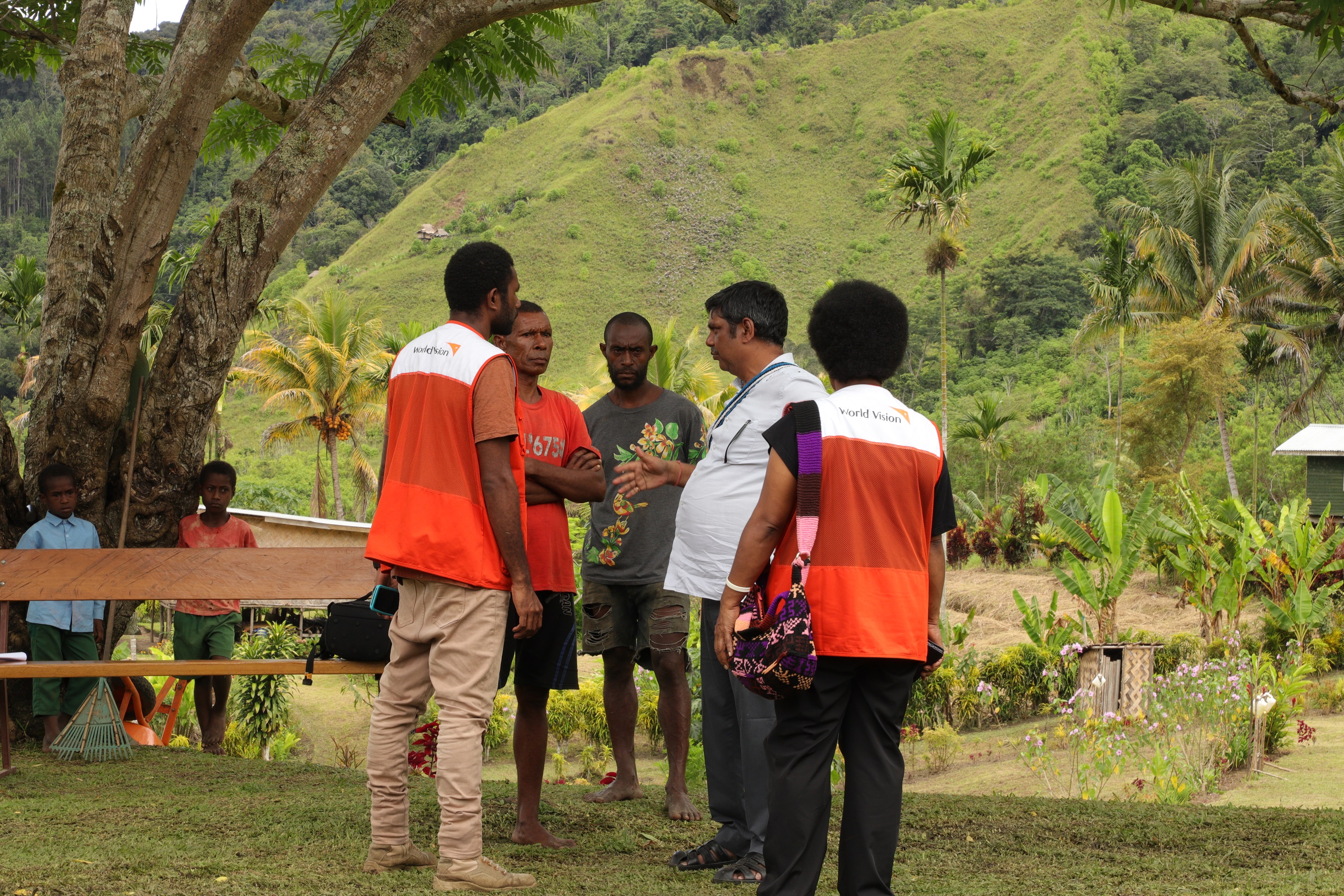
Starting with Gufin Village, 169 communities in Nawaeb District have been declared ODF, and by 15th of April 2021, Nawaeb District itself will be declared Open Defecation Free, the first district in Morobe Province, and the first District in Papua New Guinea and Pacific Region to be Open Defecation Free.
Gufin councillor Aron said, “I am now concentrating on making sure these practices, facilities, and knowledge is kept and maintained so when our friends from the Klinpela Komuniti Projek leave us, we are able to sustain and pass it to our children”.
Like Morobe Province, the Klinpela Komunity Projek also works with communities in the Autonomous Region of Bougainville, and is expected to impact the health and wellbeing of 160,000 Papua New Guineas, including 40,000 children from 100 schools, 18 health facilities, and 400 communities.
The core objectives of the project are:
1) Increase access to safe water sources in Communities, Schools and Health Care Facilities
2) Enhance sustainability of water sources
3) Improved sanitation in Communities, Schools and Health Care Facilities
4) Partner with local government in planning, monitoring, and piloting innovative WASH approaches
5) Support private-sector development to strengthen and expand WASH products and services available to target communities.
6) Promote alternative use of water as water for production.
For the people of Gufin, the practice of proper health and hygiene standards is now a tradition that will be passed on to the next generation.